SART Whole-Body Spinal Alignment, Chuna Therapy & International Patient Concierge
30+ Years Clinical Experience
en-US

Korean Medicine Guide
Living with a Herniated Disc? How Korean Medicine Provides Natural Relief
Living with a herniated disc? Learn how Korean medicine offers natural pain relief, improved mobility, and gentle healing without surgery.
Schedule a ConsultationLiving with a Herniated Disc? How Korean Medicine Provides Natural Relief
By Banpo Newborn Korean Medicine Clinic (Banpo, Seoul)
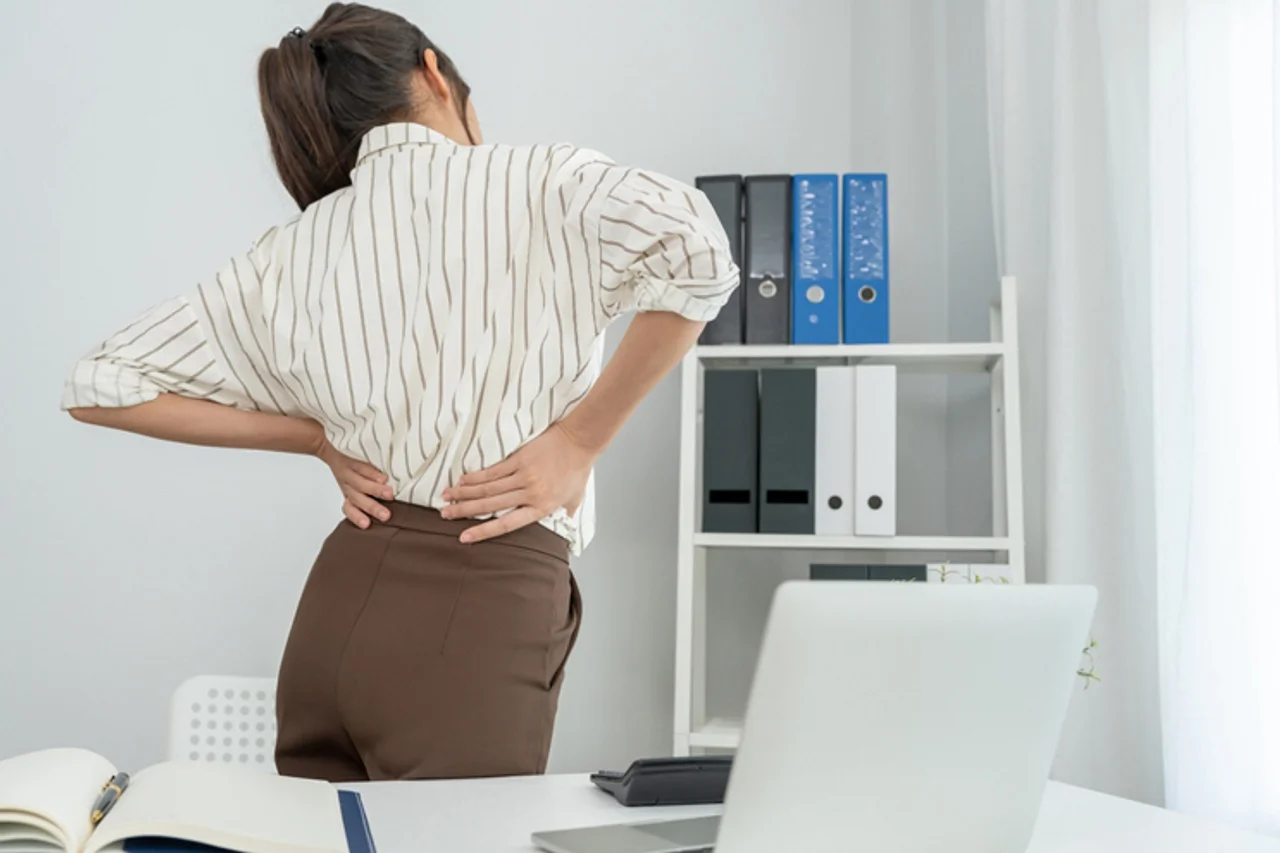
Have you been living with lingering back pain that shoots down your leg? Or maybe you’ve woken up countless mornings with stiffness that makes simple movements—bending over to tie your shoes, getting out of the car, reaching into a cabinet—feel strangely difficult. If so, you’re not alone. Herniated discs have quietly become one of the most common reasons people in Korea seek non-surgical treatment, especially among office workers, students, and older adults caring for grandchildren.
To be honest, many people don’t realize just how much of their discomfort stems from the spine. When a disc presses on a nerve root, the body responds with pain, inflammation, and muscle guarding that can ripple through the entire system. Over time, this creates not just physical strain but emotional exhaustion—because chronic pain affects everything: work, sleep, mood, even the ability to enjoy everyday life.
At Banpo Newborn Korean Medicine Clinic, we’ve seen this pattern for more than 30 years. But we’ve also seen something else: healing is possible, and surgery is not the only path. With careful diagnosis, precise spinal alignment, and a holistic treatment philosophy rooted in Korean medicine, many patients rediscover mobility and relief without invasive procedures.
In this article, we’ll walk you through what a herniated disc really is, why symptoms persist, and how Korean medicine—especially our specialized spinal correction methods like Spinal Alignment Restoration Therapy (SART) and spatial spinal correction—provides natural, long-term solutions.
What Is a Herniated Disc, Really? A Simple Explanation
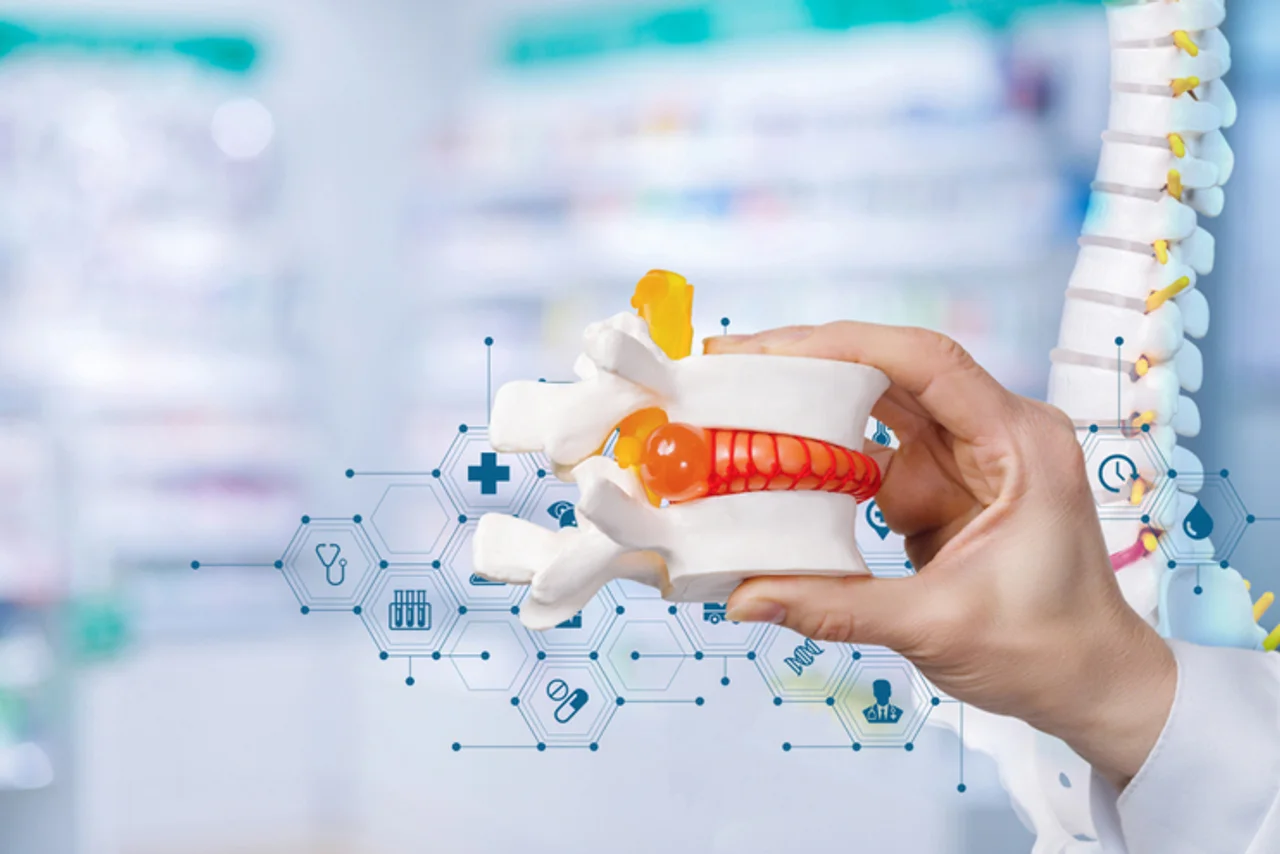
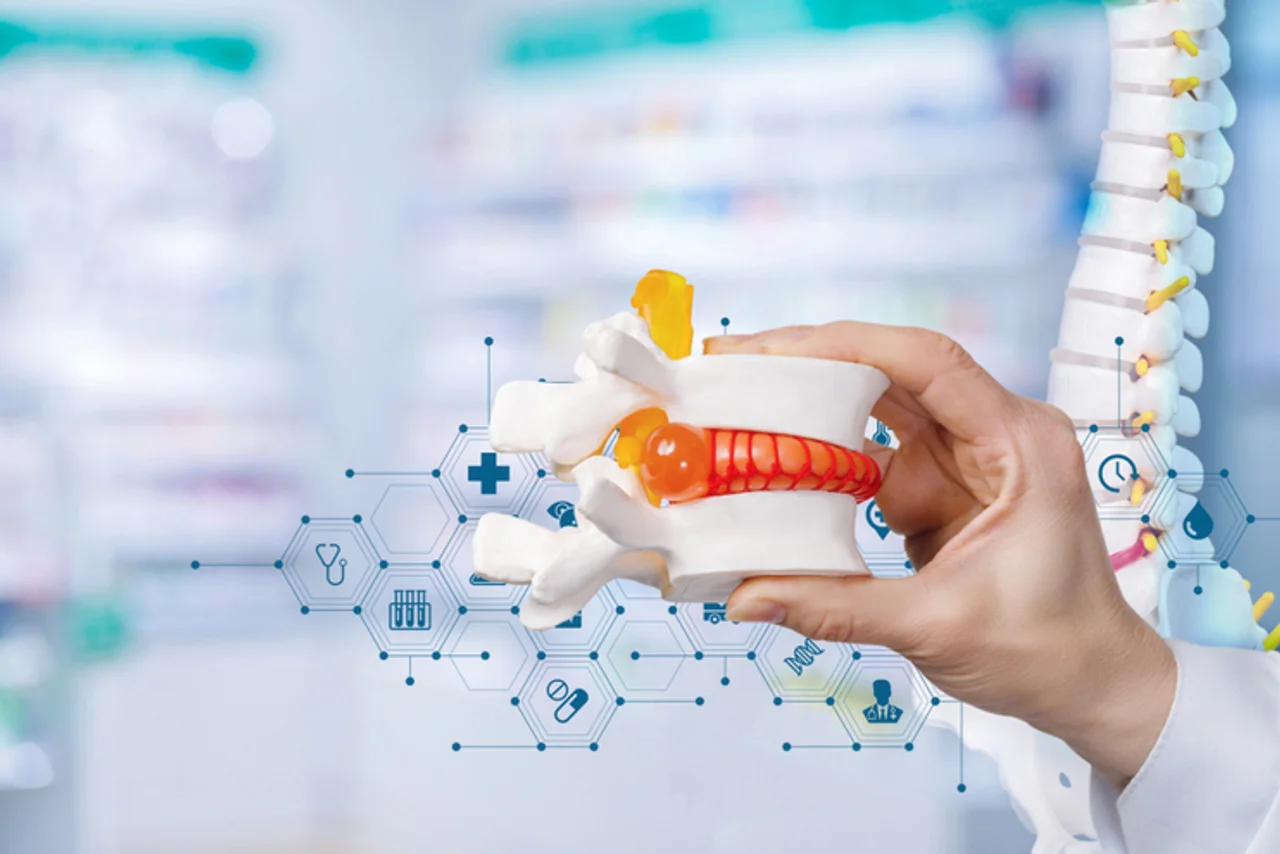
A herniated disc occurs when the soft inner material of a spinal disc leaks through its outer layer. Think of the disc as a cushion between bones. When that cushion bulges or ruptures, it can irritate nearby nerves.
But here’s what most patients don’t realize:
Pain doesn’t come from the disc alone.
It comes from the relationship between the disc, the spinal alignment, the surrounding muscles, and the nerve pathways.
Imagine your spine as the foundation of a house. If the foundation shifts even slightly, the doors stop closing properly, the windows get stuck, and cracks begin appearing in the walls. The problem may appear in different places, but the root cause is structural.
A herniated disc acts the same way. It often reflects deeper imbalances such as:
Pelvic misalignment
Chronic postural strain (like sitting curved over a laptop)
Weak stabilizing muscles
TMJ tension that subtly alters spinal posture
Old injuries that the body compensated for over years
This is why symptoms vary widely. Some people feel sharp lumbar pain radiating down the legs (sciatica). Others feel numbness, tingling, or weakness. Some feel no back pain at all—only knee discomfort or hip tightness.
At Banpo Newborn, our first mission is to identify these hidden patterns. Once we understand why the disc became stressed, we can guide the body back toward a healing state.
Why Many People Continue to Suffer: The Missing Piece in Conventional Treatment
Many patients come to us after trying physical therapy, medication, injections, or rest. These treatments can help manage pain, but they often overlook a crucial factor: structural alignment.
A herniated disc is rarely an isolated event; it is usually the result of accumulated mechanical stress. If the spinal joints remain misaligned, even slightly, they continue placing pressure on vulnerable discs.
That’s why temporary relief doesn’t always lead to recovery.
In Korean medicine, especially at our clinic, we look beyond symptom control and ask deeper questions:
Why is the spinal load uneven?
Which muscles are overworking to compensate?
How is pelvic balance affecting the lumbar spine?
Is the patient’s breathing pattern contributing to tension?
Is there TMJ dysfunction influencing neck and back alignment?
Once these factors are addressed, the body stops fighting itself and begins healing itself.
How Korean Medicine Approaches Herniated Disc Healing
Korean medicine emphasizes holistic restoration, meaning we treat the entire system—not just the painful area. At Banpo Newborn, our method integrates:
Chuna manual therapy
Spinal Alignment Restoration Therapy (SART)
Spatial spinal correction
Acupuncture
Herbal medicine for inflammation and nerve healing
Lifestyle coaching tailored to each patient
This approach is grounded in the belief that when the body’s structure is corrected and energy flow is restored, discs and nerves can recover more naturally.
Let’s break down the major components.
1. SART (Spinal Alignment Restoration Therapy)
Precise, non-surgical alignment for chronic pain patients
SART is one of the techniques developed and refined by our clinic director, Dr. Ungjin Im. Over decades of clinical experience, he observed that subtle rotational misalignments—often too small to be seen in typical X-rays—could create significant nerve irritation.
SART focuses on:
Realigning the lumbar segments
Reducing compression around the herniated disc
Restoring symmetrical motion to the pelvis
Improving nerve glide
What makes SART different from general manual therapy?
It uses micromovement correction—gentle, targeted adjustments that guide joints back into their natural position without forceful twisting.
Many patients describe the sensation as “light but deeply relieving,” especially when the pressure on the nerve begins to release.
2. Spatial Spinal Correction
Understanding the spine as a 3D structure
While most treatments view the spine from the front or side, spatial spinal correction examines it as a three-dimensional structure. Dr. Im often explains it this way:
“The spine does not tilt in just one direction. It spirals, rotates, and shifts in space. To correct it, we must understand its movement in all dimensions.”
We analyze each patient’s posture from multiple angles, identifying patterns such as:
Rotational pelvic tilt
Anterior or posterior shift
Scoliosis-related compensation
Neck-forward posture that strains the lumbar spine
TMJ asymmetry pulling the cervical spine out of alignment
Once the spatial distortion is understood, treatment becomes highly individualized. The goal is to restore natural spinal curves and weight distribution, allowing the disc to heal with less mechanical stress.
3. Chuna Therapy
Traditional Korean manual therapy for modern pain
Chuna therapy combines gentle joint mobilization, muscle balancing, and fascia release to improve circulation and reduce inflammation around the nerve root. When performed correctly, it can:
Decompress the lumbar spine
Relax protective muscle spasms
Improve mobility without aggravating the disc
Restore structural harmony
Chuna is especially valuable for patients who have been guarding their lower back for months or years. Many people unconsciously hold tension that prevents proper healing. By releasing these patterns, Chuna helps the body regain natural movement.
4. Acupuncture for Nerve Pain and Muscle Relaxation
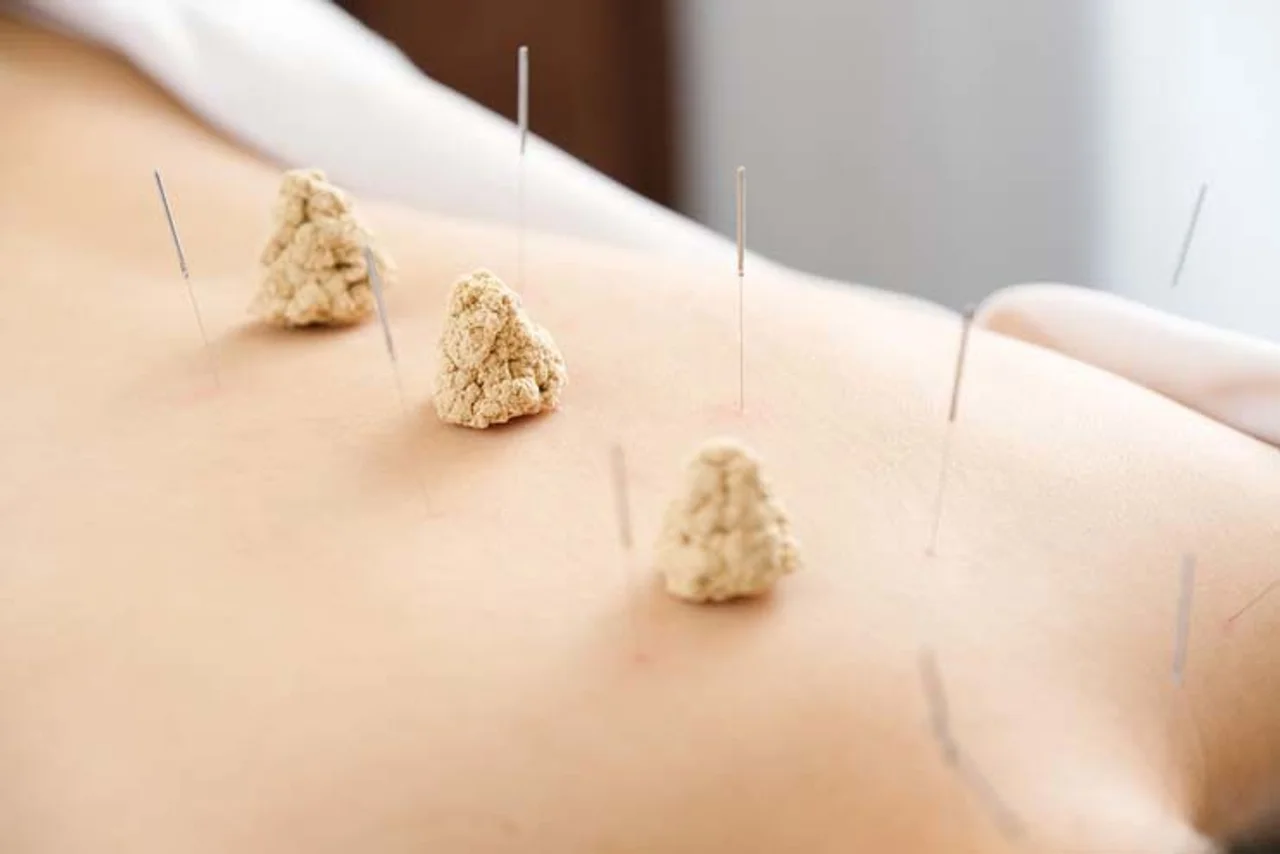
Acupuncture is one of the most effective ways to reduce the inflammation and nerve irritation associated with a herniated disc. We use it to:
Calm hyperactive nerve pathways
Improve blood flow to injured tissue
Reduce muscle spasms caused by protective guarding
Encourage endogenous pain-relief mechanisms
Scientific studies support acupuncture’s role in lowering pain perception and improving mobility in lumbar disc herniation patients. But in our clinic, what we value most is how it complements structural correction—because when alignment improves, acupuncture works even better.
5. Herbal Medicine for Tissue Recovery
Korean herbal formulas are tailored to each patient’s condition and phase of healing. For herniated discs, we focus on herbs that:
Reduce inflammation
Increase microcirculation
Strengthen connective tissue
Calm nerve irritation
Support liver and kidney function, which in Korean medicine influence bone and tendon health
Herbal medicine is not a quick fix, but over weeks it supports deeper recovery—especially in patients with chronic inflammation or recurrent flare-ups.
Patient Story: From Daily Pain to Renewed Mobility
One of our patients, a 42-year-old office worker, came to us after three years of chronic pain. He had difficulty standing up after long meetings and his sciatica made commuting unbearable.
He said something many patients say:
“I thought I just had to live with it. Everyone around me said back pain is normal after 40.”
After his first evaluation, we discovered that his pelvis had rotated significantly to one side, creating uneven pressure on his lumbar discs. His TMJ was also misaligned, pulling the cervical and thoracic segments out of their natural curve.
Over several weeks of SART, Chuna, acupuncture, and postural training, his mobility improved dramatically. By the third month, he could walk long distances without pain and slept through the night for the first time in years.
Stories like this are not unusual. When treatment goes beyond symptom management and addresses structural harmony, relief becomes much more sustainable.
Lifestyle Guidance: What You Can Start Doing Today
Healing from a herniated disc is not just about treatment—it’s about changing how you use your body every day. Here are some of the core recommendations we give our patients:
1. Maintain neutral spine during sitting
More Medical Articles
Continue reading clinical insights from Banpo Newborn Korean Medicine Clinic.

Why Seoul is the Global Hub for Minimally Invasive Vertigo Treatment
Dizziness and vertigo are among the most common reasons for hospital visits in South Korea, affecting nearly 16.7% of the adult population annually according to the Korea National Health and Nutrition Examination Survey (KNHANES).
Learn More

Tinnitus Relief in Seoul: Multidisciplinary Upper Cervical Care
For many, the sound of silence is replaced by a persistent ringing, buzzing, or hissing. In South Korea, this is more than an individual annoyance; it is a significant public health trend.
Learn More

Success Rates of SART for OPLL Compared to Standard Laminectomy in Korea
The prevalence of Ossification of the Posterior Longitudinal Ligament (OPLL) in East Asian populations, particularly in South Korea, is significantly higher than in Western countries, affecting approximately 2% to 4% of the population according to nationwide...
Learn More