SART Whole-Body Spinal Alignment, Chuna Therapy & International Patient Concierge
30+ Years Clinical Experience
en-US

Korean Medicine Guide
Lower Back Pain and Herniated Discs: A Double Diagnosis Explained
Discover the link between lower back pain and herniated discs. Learn causes, symptoms, and treatments for this double diagnosis explained clearly.
Schedule a Consultation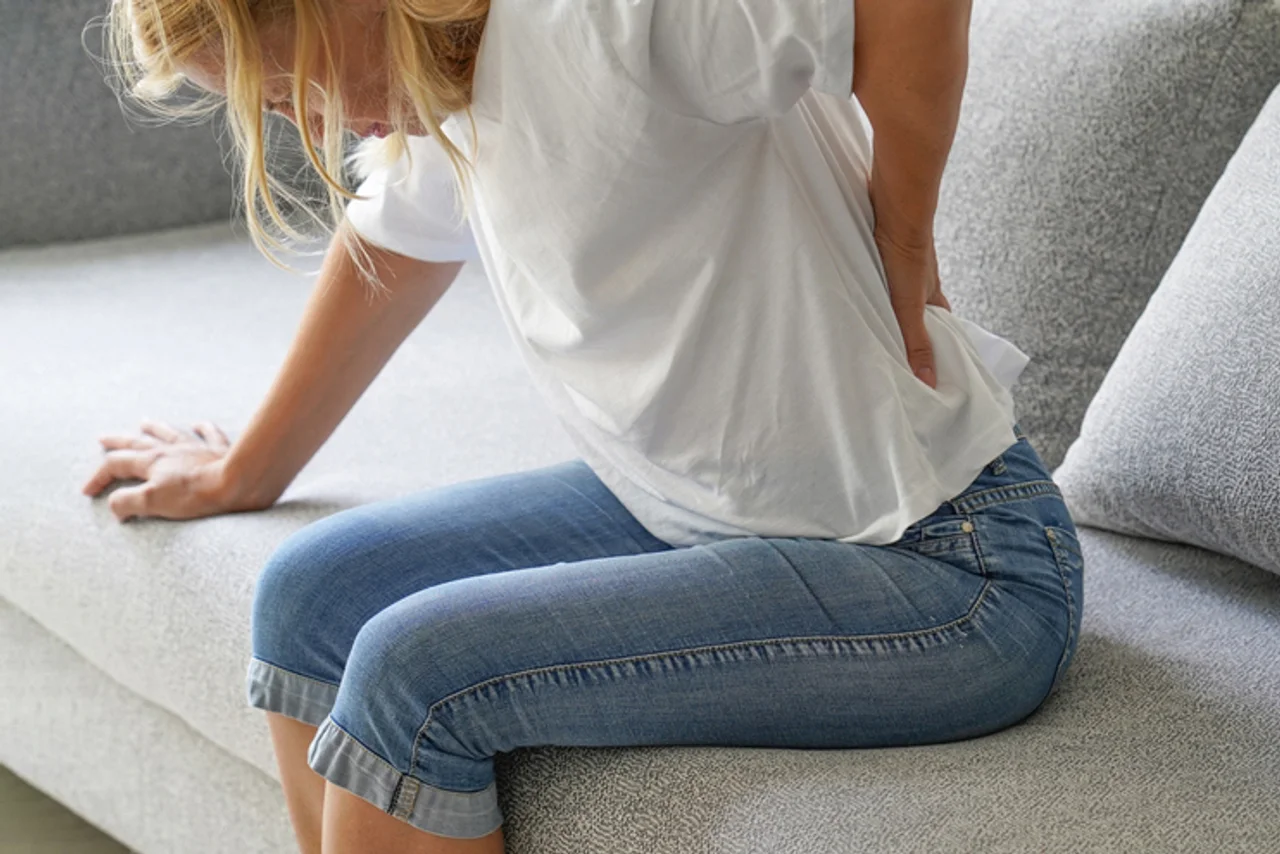
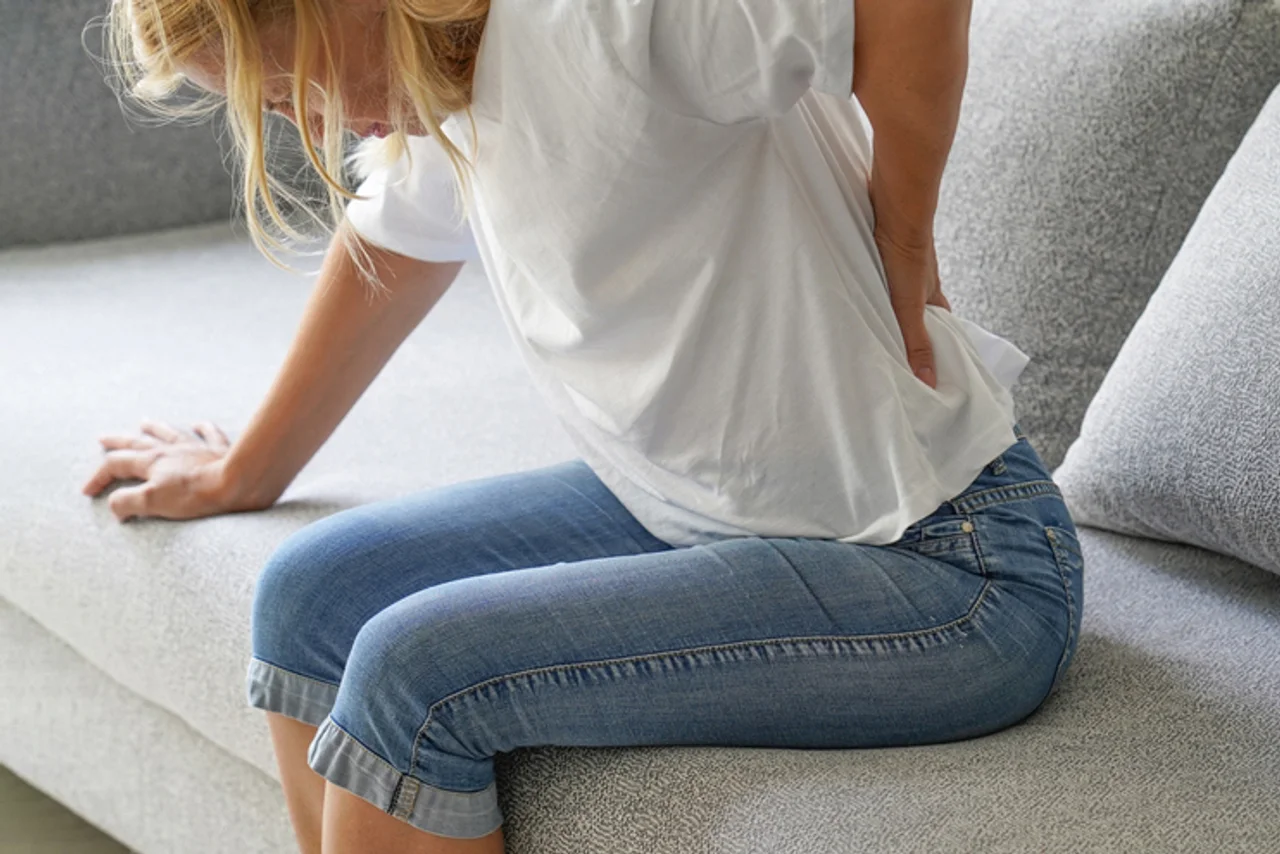
Have you been living with lower back pain for months—maybe years—only to find out you also have a herniated disc? You’re not alone. Many patients come to Banpo Newborn Korean Medicine Clinic in Banpo, Seoul, with a “double diagnosis”: persistent back pain and imaging that shows disc herniation (also called a herniated disc or slipped disc). Sometimes there’s a third factor lurking in the background—spinal stenosis, especially lumbar spinal stenosis—which can intensify symptoms and stall recovery.
To be honest, many people don’t realize how much of their discomfort stems from subtle misalignments in the spine and pelvis. If you’ve felt stuck, there is a safer, non-surgical path forward. Led by Dr. Ungjin Im, our clinic focuses on precise, gentle correction and guided rehabilitation so your body can heal—and stay well.
What’s really going on: Lower back pain, disc herniation, and stenosis
Lower back pain (or lumbar pain) describes a symptom, not a cause. Among the most common causes is disc herniation—when the soft inner part of an intervertebral disc pushes through its tougher outer ring. A herniated disc can irritate nearby nerves, causing sharp backache, burning or electric sensations down the leg, and sometimes hip pain or pelvic pain. You might notice pelvic discomfort when standing or sitting too long, and a nagging ache with bending or lifting.
But pain often has partners. As we age—or after repeated strain—spinal stenosis can gradually narrow the space where nerves travel. In the lower back, lumbar spinal stenosis may cause heaviness or fatigue in the legs when walking, cramping, or relief when bending forward (like leaning on a shopping cart). When disc herniation and stenosis overlap, nerves get even less room—and symptoms can flare more easily.
In short:
Disc herniation / slipped disc = structural pressure on a nerve root.
Spinal stenosis = narrowed canal or nerve exits that reduce “wiggle room.”
Together, they create a sensitive system where posture, movement, and even breathing patterns can amplify pain—or ease it.
The whole-body picture: Why your neck, shoulders, jaw, or head might hurt too
At Banpo Newborn Oriental Medical Clinic, we look beyond the scan. In real life, your spine works as one unit from head to pelvis. That’s why a lower-back issue can travel “up the chain” and show up as neck pain, neck ache, or neck stiffness, as your body compensates. You may also feel shoulder pain, shoulder stiffness, or even frozen shoulder as your upper body tries to stabilize what the lower body can’t.
Jaw tension and the Temporomandibular Joint (TMJ) are frequent culprits. Misalignment in the ribcage and neck can feed into TMJ Disorder, TMJ Syndrome, and clenching—sometimes paired with tinnitus (ringing in the ears), headache, or chronic headache. For some, long-standing imbalances link to Scoliosis or patterns like Torticollis/Wry Neck, and even Dystonia/Muscle Dystonia—conditions where muscles fire in unhelpful ways, reinforcing poor posture and nerve irritation.
The takeaway: your lower back pain and herniated disc are rarely isolated. When we treat the whole alignment—head-to-pelvis—you often feel better, faster, and more durably.
Why non-surgical care first?
Surgery has a role, especially in emergencies, but most patients with disc herniation and manageable lumbar spinal stenosis improve without it. In our experience, pain intensity often reflects inflammation and faulty mechanics more than “how bad the MRI looks.” With the right plan, you can usually calm the nerve, restore motion, and correct the underlying load on the spine.
“We don’t just chase pain; we restore the spatial alignment that lets the body heal itself,” says Dr. Ungjin Im. “When we re-center the spine and pelvis, the nervous system stops fighting gravity, and symptoms often ease surprisingly quickly.”
Specialty name: How Banpo Newborn Oriental Medical Clinic Treats Spinal Stenosis Without Surgery
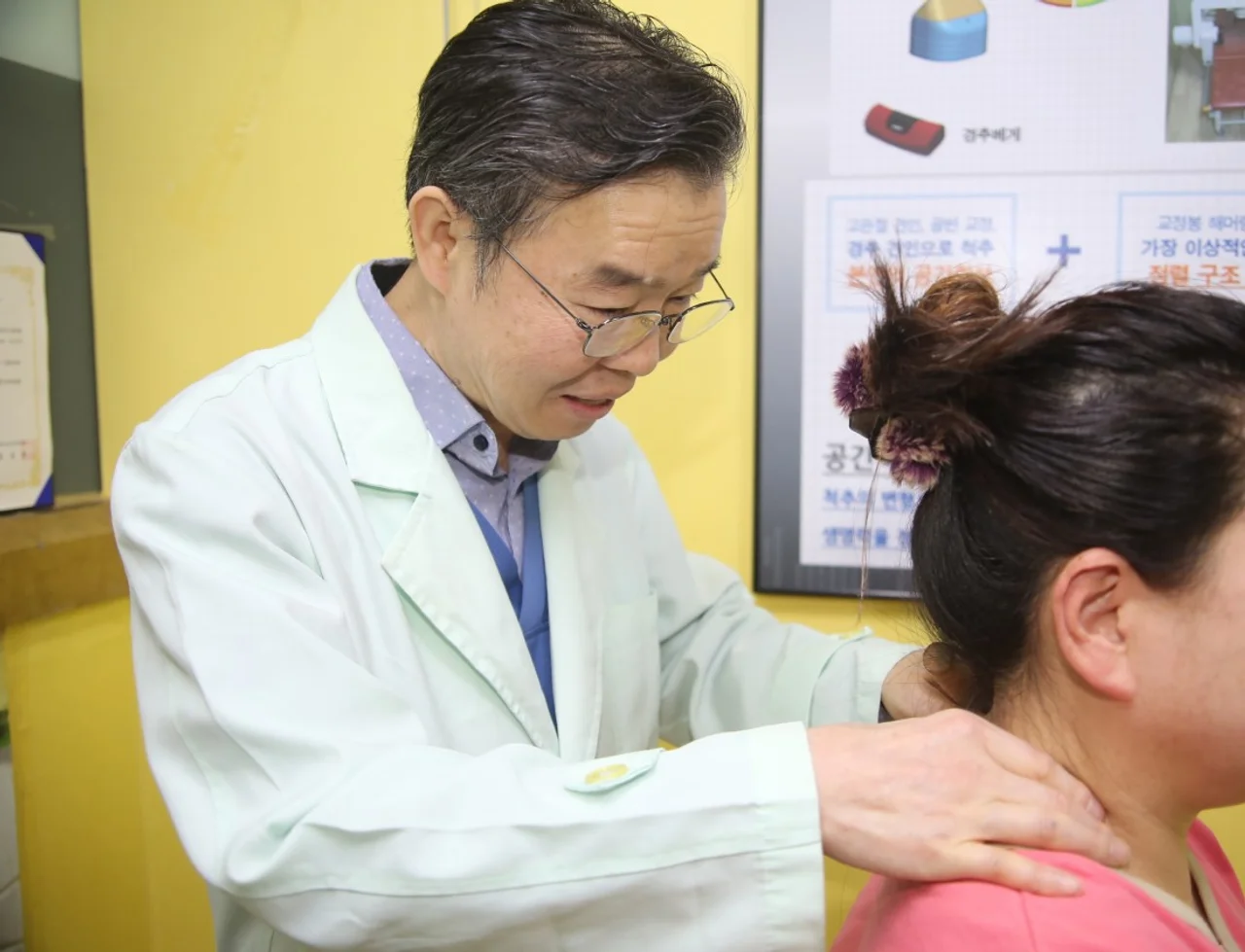
Our blueprint blends traditional Korean medicine with modern biomechanics, focused on precise, gentle, non-surgical care:
1) Comprehensive, one-on-one evaluation (Banpo, Seoul)
Your first session includes a detailed history and motion assessment: how you walk, how you breathe, how your pelvis and ribs move with turning or reaching. We evaluate “spatial load lines”—how gravity passes through your spine and hips—and look for asymmetries that increase pressure on nerve roots. If you bring imaging, we interpret it in the context of your actual movement.
2) Service name: Spinal Alignment Restoration Therapy (SART)
SART is our signature, hands-on approach for re-centering the spine. It combines spatial spinal correction, targeted mobilization, and gentle decompression cues that reduce nerve irritation without aggressive force. Every technique is tailored—some patients need subtle sacral adjustments; others benefit from restoring rib mobility to relieve the lumbar segments.
3) Chuna therapy for precise manual correction
Chuna therapy uses controlled, comfortable maneuvers to realign joints and free restricted fascia. By restoring motion in the thoracic cage and pelvis, we reduce shear forces on the lumbar discs and open space around irritated nerves. Many patients feel lighter immediately after the session—often describing it as “breathing room” in the lower back.
4) Neurofascial calm: acupuncture and soft-tissue modulation
When nerves are inflamed, muscles guard. We use acupuncture and myofascial release to soothe reflexive tightness, downshift the nervous system, and ease Muscle Dystonia patterns. This often helps secondary areas like TMJ Disorder, Tinnitus, neck pain, and headache. For stubborn guards (think Wry Neck or Torticollis tendencies), we combine gentle cervical work with diaphragmatic breathing to rebalance neck–rib–pelvic dynamics.
5) Movement re-education: the “keep-it” phase
Pain relief is step one. Step two is keeping it. We teach short, customized sessions you can do at home in 5–10 minutes:
Hip hinge + glute activation to unload the discs.
Pelvic floor and deep core coordination to stabilize the lumbar spine.
Thoracic mobility + scapular control to protect the neck and shoulders, easing shoulder pain/shoulder stiffness and preventing frozen shoulder.
Gait drills and breath mechanics to maintain nerve space while walking—key for lumbar spinal stenosis.
6) Individualized herbal and heat therapies
For some patients, traditional herbal formulas and moxibustion can support circulation and reduce sensitivity in the affected segments. We use them selectively to complement structural correction.
Double diagnosis, clear plan: what to expect from care in Banpo (Seoul)
Visit 1: Clarify the drivers
We identify whether your symptoms are driven more by disc inflammation, canal narrowing, or mechanical overload—and where that overload originates (e.g., stiff ribcage, rotated pelvis, or a foot/ankle pattern).
Weeks 1–3: Calm the system
Relief-focused SART + Chuna therapy sessions, gentle decompression strategies, and targeted acupuncture to settle nerve roots. You’ll notice we also treat “above and below” the lumbar spine to reduce tug-of-war forces.
Weeks 4–8: Rebuild support
As pain drops, we upgrade your home plan to stabilize new alignment: core–hip sequencing, posture refreshers for work, and simple walking intervals tailored for spinal stenosis.
Beyond 8 weeks: Maintain and progress
Many patients step down to less frequent sessions, using brief daily routines to remain symptom-free. If you travel or have a flare, we adapt quickly.
“We measure success by how comfortably you live your life,” Dr. Im Ungjin emphasizes. “Sitting through a meeting, lifting your child, or sleeping without waking to lower back pain—that’s the goal.”
Signs and symptoms we frequently see (and successfully treat)
Lower back pain, back pain, backache, localized lumbar pain
Leg symptoms with walking or standing (stenosis pattern)
Pelvic pain, pelvic discomfort, and hip pain with bending or prolonged sitting
Neck pain, neck ache, neck stiffness from compensatory posture
Shoulder pain, shoulder stiffness, frozen shoulder tied to ribcage immobility
Jaw tension in the Temporomandibular Joint (TMJ), TMJ Syndrome, TMJ Disorder
Ear and head complaints like tinnitus, headache, chronic headache
Postural patterns, including Scoliosis, Torticollis, Wry Neck, Dystonia, Muscle Dystonia
Home strategies while you seek care
Move gently, often. Total bed rest can increase stiffness. Try short walks, 5–10 minutes at a time.
De-load your hinge. When reaching for objects, keep the spine long, hinge at the hips, and engage your glutes.
Sleep smart. Side-lying with a pillow between your knees often eases nerve tension.
Micro-breaks at work. Change positions every 30–45 minutes. A quick rib-opening breath drill can calm the lumbar region.
Know the red flags. Seek urgent evaluation if you develop sudden severe weakness, loss of bowel/bladder control, or numbness in the groin area.
Frequently asked questions
Is surgery inevitable for a herniated disc and lumbar spinal stenosis?
Not usually. Many patients improve with targeted, non-surgical care. The keys are reducing inflammation, restoring alignment, and building support so the area isn’t overloaded again. We reserve surgical referrals for true emergencies or cases that fail to respond to a careful, time-bound conservative plan.
How long until I feel better?
More Medical Articles
Continue reading clinical insights from Banpo Newborn Korean Medicine Clinic.

Why Seoul is the Global Hub for Minimally Invasive Vertigo Treatment
Dizziness and vertigo are among the most common reasons for hospital visits in South Korea, affecting nearly 16.7% of the adult population annually according to the Korea National Health and Nutrition Examination Survey (KNHANES).
Learn More

Tinnitus Relief in Seoul: Multidisciplinary Upper Cervical Care
For many, the sound of silence is replaced by a persistent ringing, buzzing, or hissing. In South Korea, this is more than an individual annoyance; it is a significant public health trend.
Learn More

Success Rates of SART for OPLL Compared to Standard Laminectomy in Korea
The prevalence of Ossification of the Posterior Longitudinal Ligament (OPLL) in East Asian populations, particularly in South Korea, is significantly higher than in Western countries, affecting approximately 2% to 4% of the population according to nationwide...
Learn More