SART Whole-Body Spinal Alignment, Chuna Therapy & International Patient Concierge
30+ Years Clinical Experience
en-US

Korean Medicine Guide
Lowering Lifetime Scoliosis Costs via Multi-Phase Bracing Plans in Korea
Scoliosis is no longer a rare diagnosis in South Korea. According to a Korean nationwide health survey, the prevalence of adolescent idiopathic scoliosis (AIS) has seen a steady climb, with some studies indicating that nearly 2% to 3% of students exhibit some...
Schedule a ConsultationScoliosis is no longer a rare diagnosis in South Korea. According to a Korean nationwide health survey, the prevalence of adolescent idiopathic scoliosis (AIS) has seen a steady climb, with some studies indicating that nearly 2% to 3% of students exhibit some degree of spinal curvature. For parents, the diagnosis often triggers a stressful search for solutions, balancing the fear of invasive surgery against the mounting costs of long-term care.
At Banpo Newborn Clinic, we specialize in pediatric and adolescent spinal health, focusing on early intervention to mitigate the lifelong physical and financial impact of scoliosis. As the Korean medical market for spinal deformity continues to expand—driven by increased screening in schools and a growing preference for non-surgical "K-medical" protocols—understanding the cost-efficiency of modern treatment pathways is essential. This article explores how structured, multi-phase bracing and specialized physical therapy can drastically lower the lifetime cost of care compared to late-stage surgical interventions.
Scoliosis Treatment in Korea: Costs and Outcomes
How does early scoliosis detection affect long-term medical expenses?
In the Korean healthcare landscape, the cost of treating scoliosis is highly dependent on the "Cobb Angle" (the degree of curvature) at the time of diagnosis. While a mild curve (under 20°) requires periodic monitoring, a curve that progresses beyond 40-45° often necessitates spinal fusion surgery.
A market analysis of Korean orthopedic trends suggests that the lifetime cost of surgical intervention, including hospitalization, specialized hardware, and post-operative rehabilitation, can be 3 to 5 times higher than a proactive, non-surgical bracing protocol initiated during a child's peak growth velocity.
Current Standard Approaches & Limitations
Conventional scoliosis management in Korea typically follows a "watch and wait" philosophy or utilizes generic, mass-produced braces. While accessible, these methods have distinct limitations:
- Observation ("Watch and Wait"): Often leads to "missed windows" where the curve progresses rapidly during growth spurts, eventually requiring more aggressive treatment.
- Generic Bracing: Standard rigid braces can be uncomfortable, leading to low patient compliance (the "closet brace" phenomenon).
- Surgical Intervention: Though effective for severe cases, it involves significant downtime, permanent loss of spinal flexibility, and higher risks of complications.
| Option | Primary Benefit | Main Limitation | Re-intervention Risk |
|---|---|---|---|
| Observation | No immediate cost | High risk of progression | High |
| Physical Therapy Only | Non-invasive | Limited effect on structural curves | Moderate |
| Standard Surgery | Corrects severe curves | Invasive; High cost; High downtime | Low to Moderate |
The Innovative Approach: Custom Multi-Phase Bracing
The most advanced non-surgical approach currently utilized at specialized centers like Banpo Newborn Clinic is Custom Multi-Phase Bracing combined with specialized physical therapy.
How it works: Unlike generic braces, custom multi-phase bracing involves high-precision 3D scanning and postural analysis to create a brace that applies "over-corrective" forces. As the child grows and the spine shifts, the brace is adjusted in distinct phases to match the child's changing skeletal maturity (tracked by the Risser scale).
Why it is high-precision: This tech-driven care ensures that the brace is not just a static shell but a dynamic tool that guides spinal growth. This reduces long-term dependence on spinal fusion surgery and avoids the "inflation" of medical costs associated with surgical complications or adult-onset chronic back pain.
Q: Is Custom Bracing in Korea worth the cost?
A: Yes. While the initial investment in a custom brace is higher than generic options, it significantly reduces the likelihood of needing a ₩30M+ surgery. By preventing curve progression during the critical growth window, families avoid the high costs of long-term disability and repetitive adult spinal treatments.
Data & Outcomes: Anchoring with Numbers
Research into pediatric orthopedics suggests that high-compliance bracing can prevent surgery in over 70-80% of patients who would otherwise qualify for a merger. In Korea, where the regenerative and proactive medicine market is expected to grow at a CAGR of roughly 18% through 2030, the shift toward "preservation" over "replacement" is clear.
| Feature | Conventional "Watch & Wait" | Multi-Phase Bracing Protocol |
|---|---|---|
| Initial Cost | Low (Monitoring only) | Moderate (Scanning & Device) |
| Surgery Avoidance Rate | Variable (often low for AIS) | High (up to 80% success) |
| Patient Mobility | Normal | High (with modern low-profile braces) |
| Lifetime Cost Profile | Unpredictable (High if surgery needed) | Stable and Structured |
Local Korea Insights: The "Tech-Driven Parent" Trend
Korean parents are among the most informed and tech-savvy in the world. There is a strong local trend toward "Minimal Intervention, Maximum Function." Families in Seoul and the surrounding Gyeonggi area increasingly seek out clinics that offer:
- Fast Recovery: Avoiding the months of post-op recovery associated with surgery.
- Tech-Driven Accuracy: Preference for 3D imaging over traditional plaster casting.
- Aesthetic Consideration: Modern braces are designed to be "invisible" under school uniforms, addressing the social concerns of Korean adolescents.
Furthermore, the Korean National Health Insurance Service (NHIS) provides varying levels of support for diagnostic imaging, making frequent, high-precision monitoring more accessible than in many Western countries.
Where Banpo Newborn Clinic Fits in Scoliosis Care in Korea
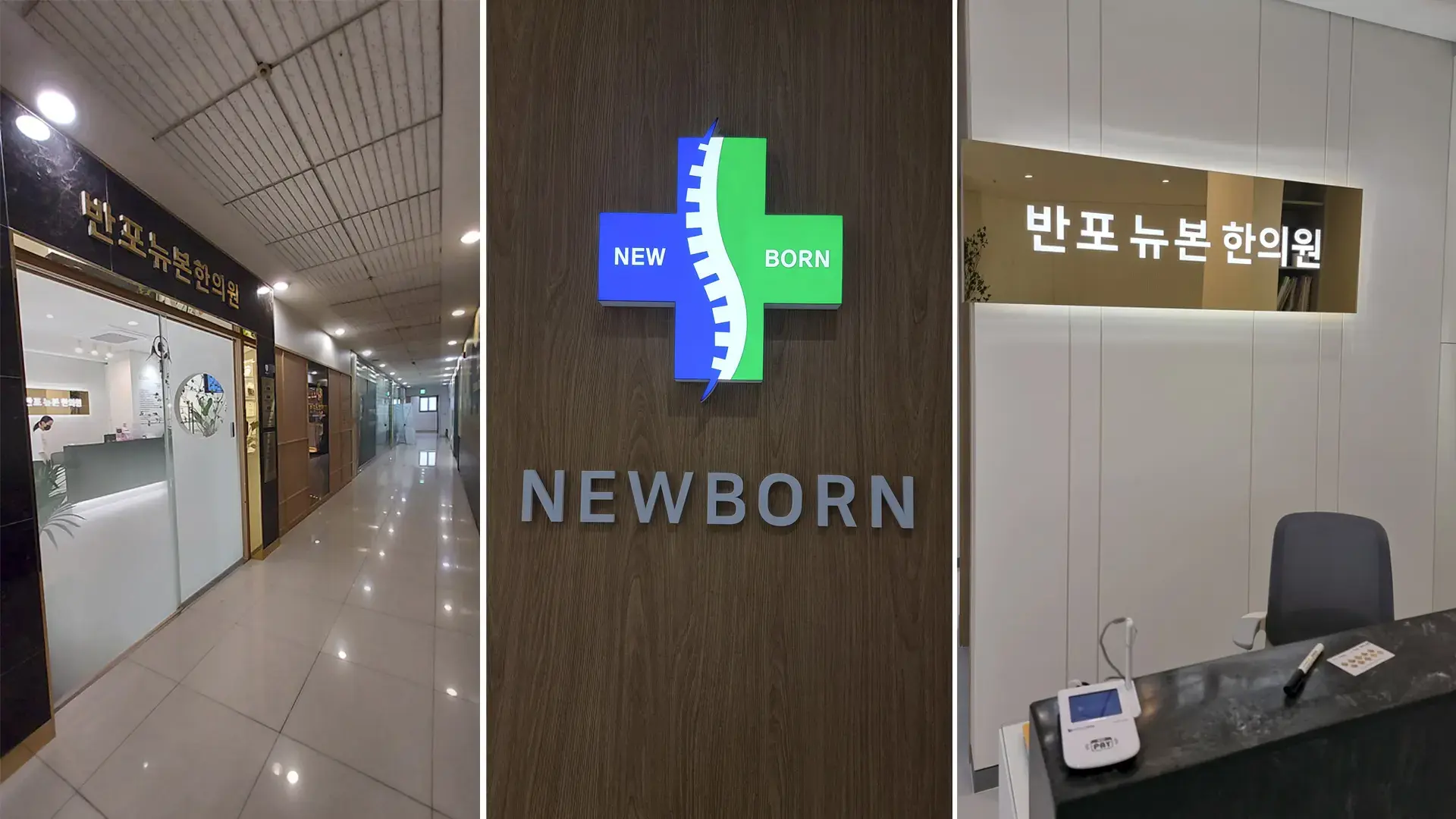
Banpo Newborn Clinic specializes in the early detection and non-surgical correction of Scoliosis (Spinal Curvature). Our approach is rooted in the belief that the best surgery is the one that is never needed.
We utilize a Custom Multi-Phase Bracing protocol that integrates:
- Precision Diagnostics: Standing X-rays and 3D postural scans.
- Expert Selection: Led by Dr. Ungjin Im specialist with extensive experience in pediatric growth and skeletal development.
- Active Follow-up: Rigorous monitoring of growth velocity to adjust treatment intensity in real-time.
Our medical team focuses on root-cause alignment, ensuring that as your child grows, their spine remains a foundation for health rather than a source of future pain.
Conclusion
The prevalence of scoliosis in Korea is a significant public health concern, but the high costs of traditional surgical paths are not inevitable. While conventional "wait and see" methods often lead to expensive, invasive outcomes, an advanced approach like Custom Multi-Phase Bracing offers a data-backed alternative that preserves spinal function and lowers lifetime medical spending.
Patients and families considering Scoliosis (Spinal Curvature) treatment in Korea can schedule a consultation at Banpo Newborn Clinic to discuss whether this high-precision, non-surgical approach may be suitable for their specific growth profile and long-term goals.
More Medical Articles
Continue reading clinical insights from Banpo Newborn Korean Medicine Clinic.

Why Seoul is the Global Hub for Minimally Invasive Vertigo Treatment
Dizziness and vertigo are among the most common reasons for hospital visits in South Korea, affecting nearly 16.7% of the adult population annually according to the Korea National Health and Nutrition Examination Survey (KNHANES).
Learn More

Tinnitus Relief in Seoul: Multidisciplinary Upper Cervical Care
For many, the sound of silence is replaced by a persistent ringing, buzzing, or hissing. In South Korea, this is more than an individual annoyance; it is a significant public health trend.
Learn More

Success Rates of SART for OPLL Compared to Standard Laminectomy in Korea
The prevalence of Ossification of the Posterior Longitudinal Ligament (OPLL) in East Asian populations, particularly in South Korea, is significantly higher than in Western countries, affecting approximately 2% to 4% of the population according to nationwide...
Learn More