SART Whole-Body Spinal Alignment, Chuna Therapy & International Patient Concierge
30+ Years Clinical Experience
en-US

Korean Medicine Guide
Lumbar Spinal Stenosis: Treatment Without the Scalpel
Discover non-surgical treatments for lumbar spinal stenosis. Learn effective pain relief options without surgery for better mobility.
Schedule a Consultation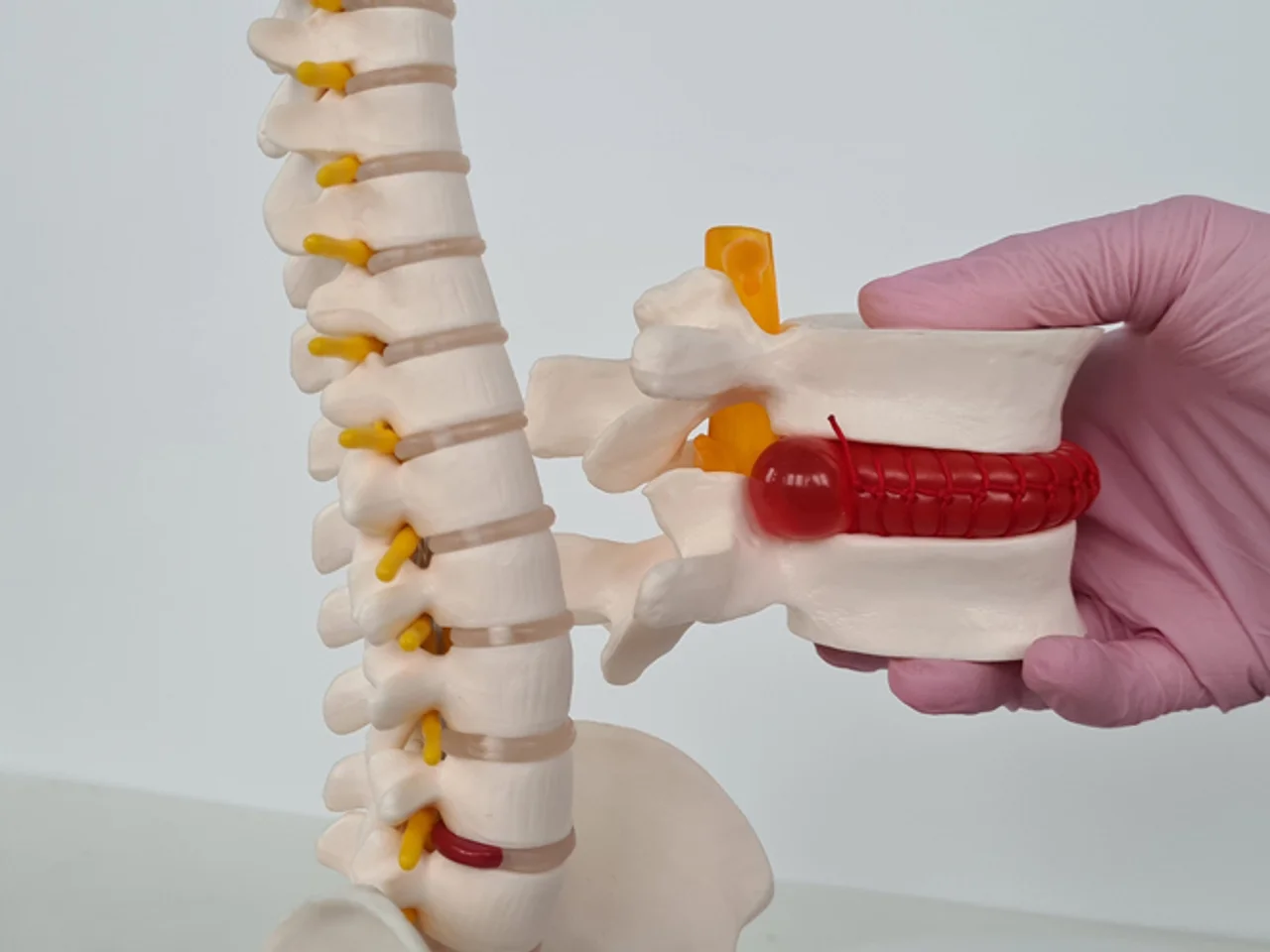
If standing in line or walking more than a few minutes gives you lower back pain, heaviness in the hips, or tingling down the legs, you may be living with lumbar spinal stenosis (LSS). Many people fear that surgery is the only option. To be honest, that’s not the full story. At Banpo Newborn Oriental Medical Clinic in Banpo, Seoul, we help patients relieve stenosis symptoms and reclaim daily life without the scalpel, using precise alignment care, Chuna therapy, acupuncture, and personalized rehabilitation.
This guide explains what LSS is, how it differs from a herniated disc/disc herniation/slipped disc, and the non‑surgical program led by Dr. Ungjin Im that helps patients walk farther with less pain and more confidence.
What Is Lumbar Spinal Stenosis?
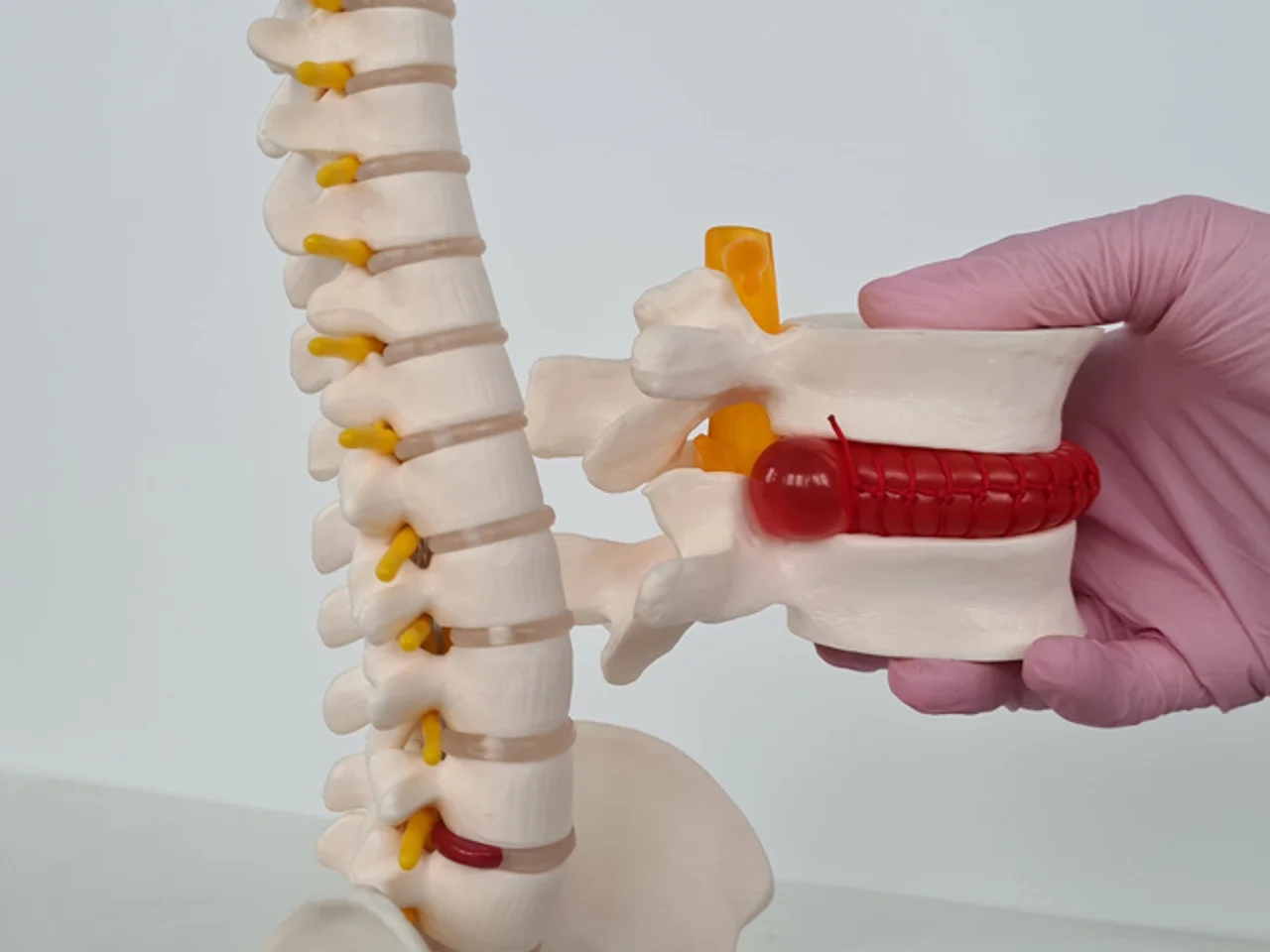
Lumbar spinal stenosis is a narrowing of the spaces in the lower spine. The crowded canal or foramina can irritate or compress nerves, producing a mix of symptoms:
Lumbar pain/lower back pain that worsens with standing or walking and eases with sitting or bending forward (the “shopping cart sign”)
Radiating pain, heaviness, or numbness into the buttocks, thighs, and calves
Hip pain, pelvic discomfort, and reduced walking endurance
Sometimes coexisting neck stiffness, shoulder stiffness, or backache—especially in people with whole‑body postural patterns
Stenosis develops gradually. Age‑related changes (thickened ligaments, enlarged facet joints), past injuries, and posture asymmetries contribute. People with scoliosis often experience asymmetrical narrowing and one‑sided symptoms.
Stenosis vs. Disc Herniation (and Why It Matters)
Disc herniation usually causes sharper, often sudden symptoms that may radiate below the knee. Flexion may worsen a large herniation.
Stenosis symptoms build slowly; flexion (bending forward) often helps, while extension or prolonged standing worsens symptoms.
Many patients have elements of both—our job is to sort the blend and treat you, not just the MRI.
When Is Surgery Necessary?
Surgery can be appropriate for red‑flag cases—rapidly progressive neurological deficits (e.g., foot drop), loss of bowel/bladder control, or severe, intractable pain after a thorough non‑surgical trial. Most people, however, improve substantially with a structured, conservative plan that reduces nerve irritation and restores movement capacity.
Our philosophy: restore alignment, decompress gently, retrain movement—then reassess. If symptoms keep improving and walking distance grows, you’re on the right track without surgery.
How We Diagnose: Precision Before Pressure
At Banpo Newborn, Dr. Ungjin Im leads a calm, detailed assessment that identifies the true drivers of your symptoms.
Story and symptom map
Walking vs. standing tolerance, relief with sitting or bending, morning vs. evening patterns, and coexisting issues (e.g., TMJ disorder, neck ache, frozen shoulder).Movement mapping
Pelvic tilt, hip rotation, thoracic mobility, and gait pattern. We look for compensations that keep your spine in extension (stenosis‑provoking) and identify positions that give instant relief.Neurological screen
Reflexes, strength, and sensation to catch nerve deficits early.Imaging review (when indicated)
X‑ray/MRI from partner centers help clarify canal size, facet changes, and any disc herniation. We always pair images with function—pictures guide, movement decides.
Our Non‑Surgical Program (Led by Dr. Ungjin Im)
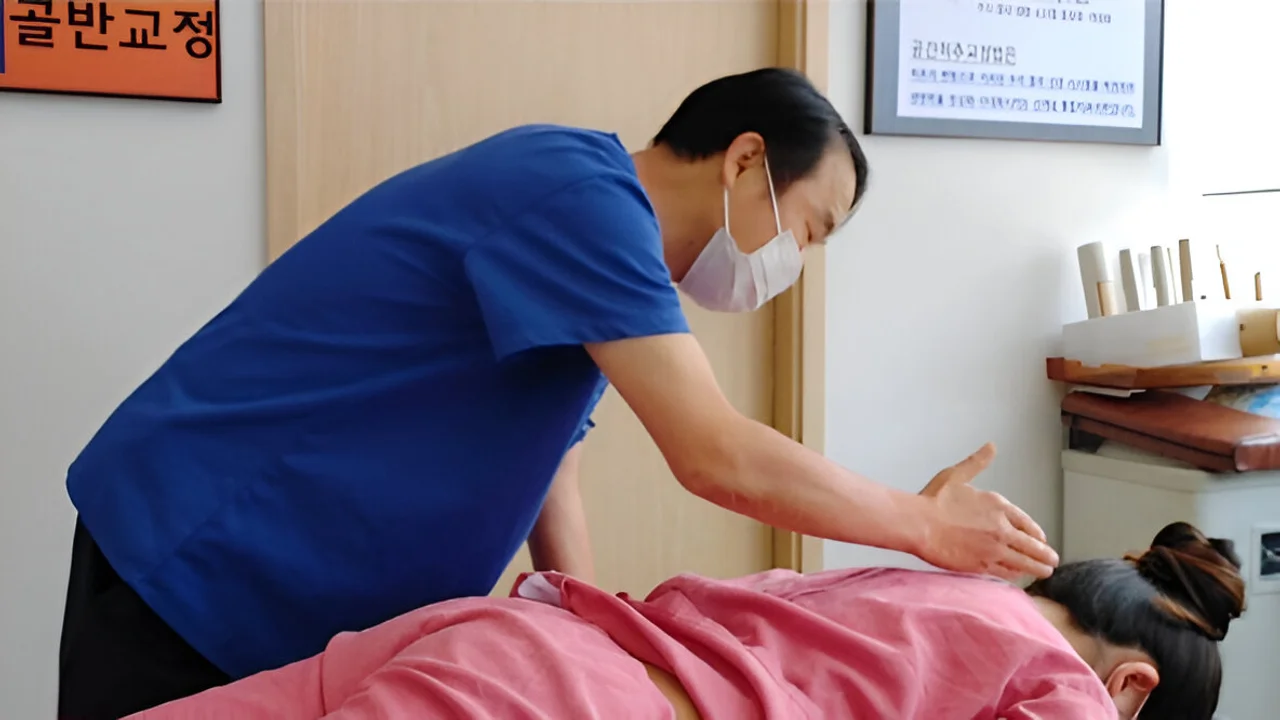
We blend Korean medicine with modern biomechanics to create a plan that is gentle, precise, and personal.
1) Spinal Alignment Restoration Therapy (SART)
Developed by Dr. Im, SART uses low‑force, vector‑specific corrections to level the pelvis, unlock the thorax, and normalize lumbar mechanics. When the pelvis is level and the ribs move, the low back no longer needs to hang in extension—a key for stenosis.
What patients feel: a sense of length, ease when leaning forward, and improved walking tolerance.
2) Chuna Therapy (Korean Manual Therapy)
Chuna therapy is rhythmic, gentle mobilization—no aggressive thrusts—that restores joint glide and calms protective spasm. For LSS, we focus on:
Facet joint mobility in the lumbar spine (without forcing extension)
SI joint balance to reduce shear and buttock pain
Rib‑cage rotation and first‑rib release to free the diaphragm and thoracolumbar fascia
3) Acupuncture
Targeted acupuncture reduces nociceptive signaling, relaxes hypertonic bands, and improves sleep quality. Many patients notice better stamina and less leg heaviness after sessions.
4) Herbal Medicine
Conservative, individualized formulas support microcirculation, calm inflammation, and manage stress. We select simple, well‑tolerated blends, especially for those with sensitive stomachs.
5) TMJ‑Aware Care (Yes, It Matters)
Clenching and TMJ syndrome/TMJ disorder increase upper‑back tone, which subtly drives lumbar extension. Jaw release, tongue‑posture training, and breathwork often reduce neck pain and help stenosis patients find flexion‑friendly ease.
6) Movement Retraining (Make Gains Stick)
We teach brief, repeatable “micro‑practices” to embed new mechanics into daily life—walking, stairs, cooking, and desk work. Small, frequent resets beat occasional long workouts.
Your 4‑Phase Care Pathway
Phase 1: Relief
Calm irritation with decompression positions, gentle flexion bias, acupuncture, and SART corrections. Pain eases and sleep improves.
Phase 2: Restore
Rebuild pelvic and rib mobility; re‑educate deep stabilizers so the spine needn’t extend to feel “stable.”
Phase 3: Retrain
Practice hinge‑based lifting, glute‑driven walking, and breath‑anchored posture. Increase walking distance week by week.
Phase 4: Resilience
Progress loading, add variability (stairs, inclines), and build an anti‑flare toolkit for travel and long days.
At‑Home Micro‑Practices (5–8 Minutes Total)
Safety first: If you develop new weakness, severe or progressive numbness, or bowel/bladder changes, seek urgent medical care before exercises.
Decompression Lean (60–90 sec)
Forearms on a counter, hips slightly back; breathe slowly. Let the low back lengthen. Use this “snack” throughout the day.Flexion‑Friendly Sit (6 breaths)
Sit with feet grounded. On each exhale, allow the tailbone to drop and ribs to soften; feel pressure ease from the low back and hips.Glute‑Med Starter (8–10 reps/side)
Side‑lying clamshells with tiny range; keep the pelvis stacked. Quality over effort.Adductor Hug (6–8 reps)
Pillow between knees; gentle exhale as you squeeze, stabilizing the pubic symphysis and SI joints.Hinge Rehearsal (8 reps)
With a dowel along the spine (head‑back‑sacrum contact), practice small hip hinges. This becomes your template for lifting and reaching.First‑Rib Breath (4–6 cycles)
Strap across the upper chest; slow exhale to let the rib drop and neck soften, reducing extension drivers.
Do these twice daily for two weeks; taper as walking tolerance returns.
Everyday Habits That Help Stenosis
Walk smart: Short, frequent walks beat occasional long ones. Slight forward hinge and small steps reduce nerve irritation.
Sit smarter: Hips slightly higher than knees; avoid deep, slouchy couches that tether you in extension afterward.
Lift like a hinge: Keep loads close; exhale on effort. Groceries and strollers count.
Phone posture: Bring the screen up, elbows supported. This prevents the neck‑rib stiffness that feeds lumbar extension.
Sleep support: Side‑sleep with a pillow between knees or supine with a small under‑knee bolster.
Real‑World Cases From Our Clinic
Case 1 — Lengthening the daily walk
A 67‑year‑old with lumbar spinal stenosis could stand only five minutes before buttock heaviness. After four weeks of SART, Chuna, and flexion‑friendly retraining, he extended pain‑free walking to 25 minutes and resumed market trips without leaning on the cart.
Case 2 — Stenosis plus a small herniation
A 58‑year‑old office worker had MRI‑confirmed stenosis with a small herniated disc at L4‑L5. Decompression “snacks,” acupuncture, and rib mobility reduced leg heaviness; within six weeks he returned to weekend hikes.
Case 3 — Asymmetry from scoliosis
A 62‑year‑old with mild scoliosis had one‑sided hip pain with standing. Pelvic leveling, glute‑med training, and first‑rib release calmed symptoms; she now gardens for an hour comfortably.
FAQs
Is stenosis the same as a slipped disc?
No. Stenosis is a narrowing of space; a slipped disc/disc herniation is displaced disc material. They can coexist.
Why does leaning forward help?
Flexion opens certain spaces in the lumbar canal and unloads irritated nerves—hence the “shopping cart” relief.
How long until I feel better?
Many notice change within 2–6 visits when combining clinic care with daily micro‑practices. Endurance builds steadily over 6–12 weeks.
Will I eventually need surgery?
Not necessarily. If your function continues to improve and red flags are absent, a non‑surgical path often remains effective.
What about neck and shoulder problems?
We commonly treat coexisting neck pain, neck stiffness, shoulder pain, and shoulder stiffness because upper‑body tension can drive lumbar extension.
Can TMJ or headaches affect my back?
Yes. TMJ disorder/TMJ syndrome and chronic headache patterns increase upper‑back tone, subtly worsening stenosis posture. Treating the jaw and ribs helps.
When to Seek Urgent Care
More Medical Articles
Continue reading clinical insights from Banpo Newborn Korean Medicine Clinic.
Why Seoul is the Global Hub for Minimally Invasive Vertigo Treatment
Dizziness and vertigo are among the most common reasons for hospital visits in South Korea, affecting nearly 16.7% of the adult population annually according to the Korea National Health and Nutrition Examination Survey (KNHANES).
Learn More

Tinnitus Relief in Seoul: Multidisciplinary Upper Cervical Care
For many, the sound of silence is replaced by a persistent ringing, buzzing, or hissing. In South Korea, this is more than an individual annoyance; it is a significant public health trend.
Learn More
Success Rates of SART for OPLL Compared to Standard Laminectomy in Korea
The prevalence of Ossification of the Posterior Longitudinal Ligament (OPLL) in East Asian populations, particularly in South Korea, is significantly higher than in Western countries, affecting approximately 2% to 4% of the population according to nationwide...
Learn More