SART Whole-Body Spinal Alignment, Chuna Therapy & International Patient Concierge
30+ Years Clinical Experience
en-US

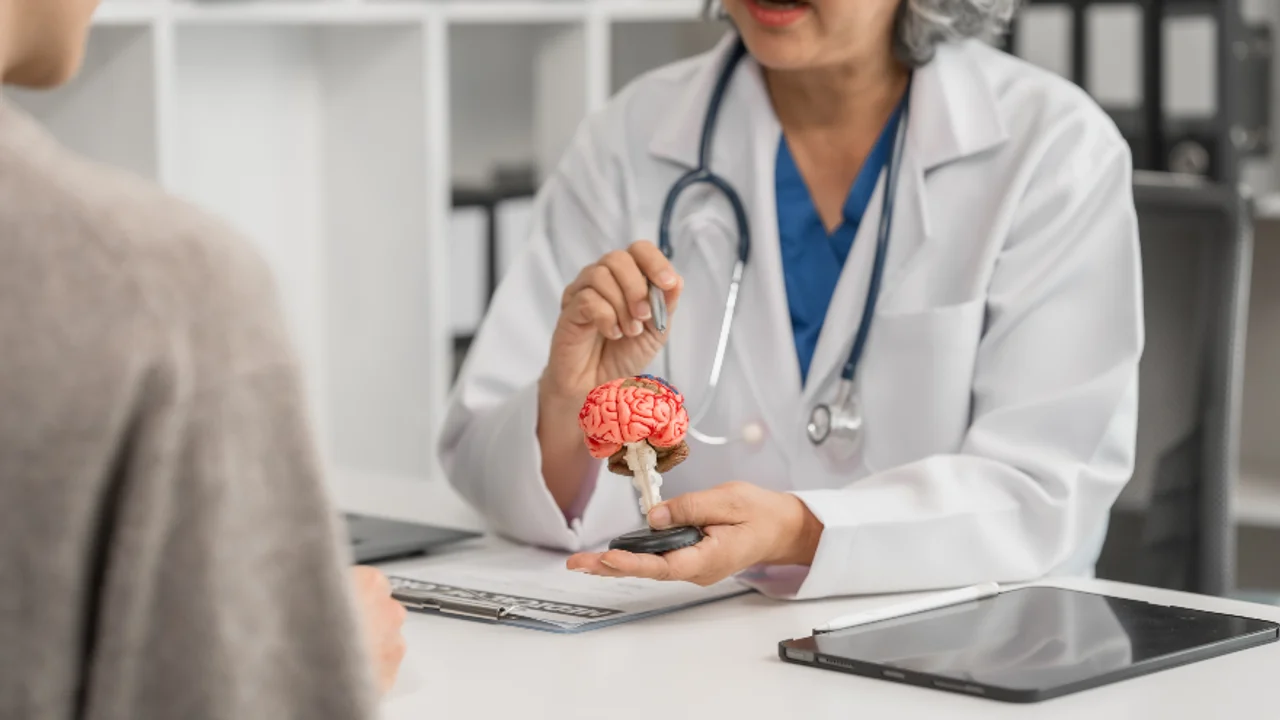
Korean Medicine Guide
Mental & Neurological Disorders Causes Symptoms Treatment
Learn about Mental & Neurological Disorders causes and symptoms. Explore why South Korea offers the world's best, affordable treatments. Inquire here for expert care.
Schedule a ConsultationIntroduction
The human brain is often described as the most complex structure in the known universe. It serves as the command center for every breath we take, every movement we make, and every emotion we feel. However, when things go wrong within this intricate system, it can manifest as Mental & Neurological Disorders. These conditions can be deeply life-altering, affecting not just the patient but their entire support network of family and friends.
In the past, there was a significant divide in how the medical community viewed the brain versus the mind. Today, modern science has decoded the brain-mind connection. We now understand that neurological structures (the "hardware") and mental health functions (the "software") are deeply intertwined. At our specialized centers, we treat these conditions as biological medical issues rather than character flaws. If you or a loved one are seeking clarity and advanced care, we invite you to inquire here to begin your journey toward recovery with world-class specialists.
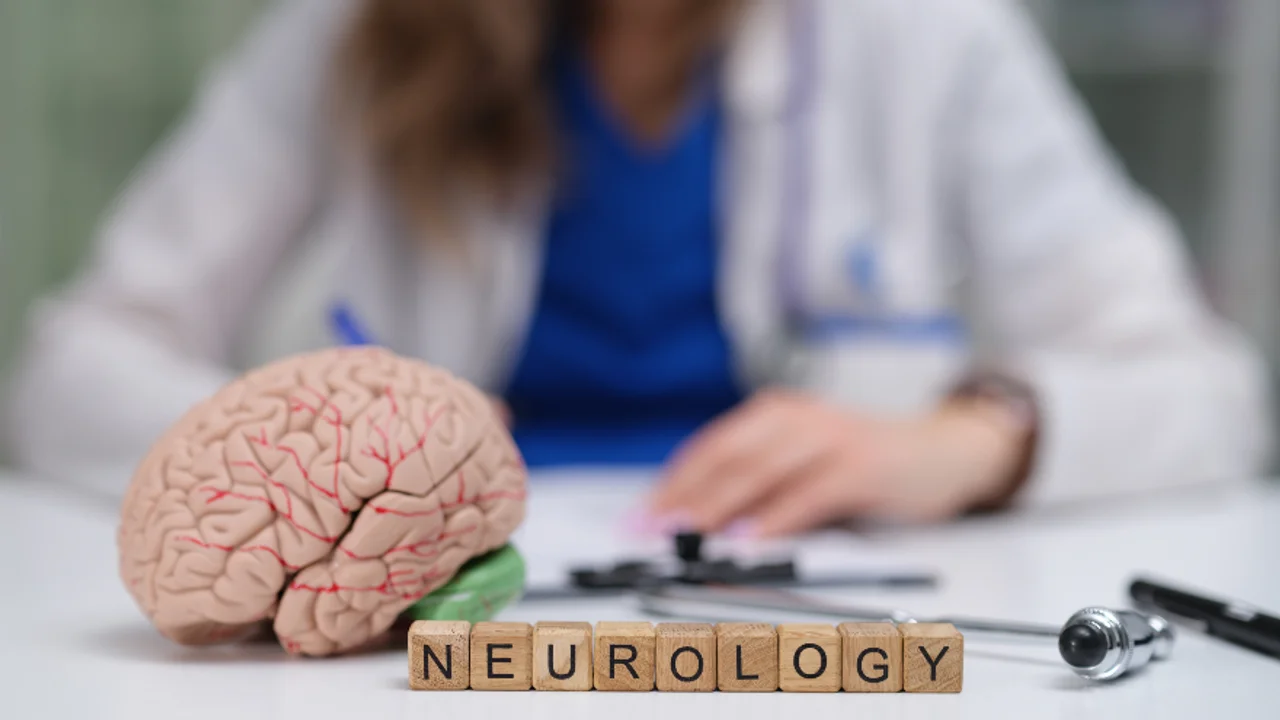
The Connection: Understanding Hardware vs. Software
To understand Mental & Neurological Disorders, it helps to use a computer analogy.
Neurological Disorders are like hardware issues. They involve physical damage to the brain’s structures, nerves, or electrical wiring. Examples include the tremors of Parkinson’s or the scarring from a stroke.
Mental Disorders are like software issues. The physical structure of the brain might look normal on a standard scan, but the "programming"—the chemical signals and neurotransmitters—is not functioning correctly. Examples include depression, anxiety, or PTSD.
Because the hardware and software work together, a physical injury can cause a mental health change, and chronic mental stress can eventually cause physical changes in the brain. This is why a 360-degree, integrated approach is the only way to achieve lasting results.
The Causes: Why Do These Disorders Occur?
There is rarely a single reason why Mental & Neurological Disorders develop. Usually, it is a combination of several factors that reach a tipping point.
Neurological Causes (Physical and Structural)
Genetics and Hereditary Factors: Many conditions, such as certain types of epilepsy or early-onset Alzheimer’s, can be passed down through DNA.
Traumatic Brain Injury (TBI): A physical blow to the head from an accident or sports injury can disrupt neural pathways, leading to long-term neurological deficits.
Neurodegeneration: As the brain ages, cells can begin to break down. This is the primary driver behind conditions like Parkinson’s and Dementia.
Infections and Autoimmune Responses: Sometimes, a virus or the body’s own immune system can attack brain tissue, causing inflammation and damage.
Mental Health Causes (Functional and Chemical)
Neurotransmitter Imbalances: Chemicals like Serotonin (the "feel-good" hormone) and Dopamine (the reward chemical) must stay in a delicate balance. When these levels drop or spike, it can lead to mood disorders.
Chronic Environmental Stress: Long-term exposure to high-stress environments can physically shrink the hippocampus, the part of the brain responsible for memory and emotion.
Early Childhood Development: Trauma experienced during the early years can "hardwire" the brain’s alarm system to be overly sensitive, leading to anxiety later in life.
Biological Triggers: Significant hormonal shifts, such as those occurring during thyroid issues or postpartum periods, can trigger mental health episodes.
Recognizing the Symptoms: Common Red Flags
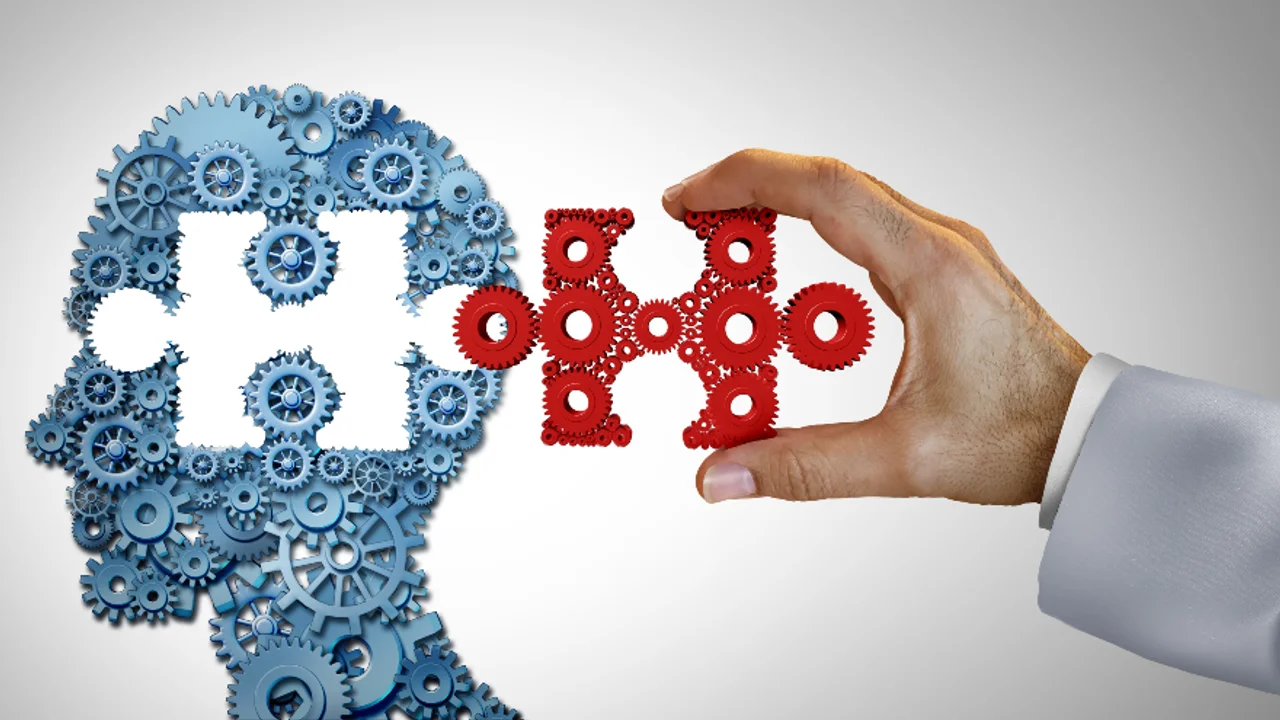
Because the brain controls the entire body, the symptoms of Mental & Neurological Disorders can appear almost anywhere. Recognizing these early is the key to successful treatment.
Common Symptom Comparison
Category | Neurological Red Flags | Mental Health Red Flags |
|---|---|---|
Physical | Tremors, muscle weakness, or loss of balance. | Changes in appetite, chronic fatigue, or sleep issues. |
Sensory | Numbness, tingling, or sudden vision changes. | Racing heart, "heaviness" in the chest, or panic attacks. |
Cognitive | Memory loss, slurred speech, or fainting. | "Brain fog," difficulty concentrating, or indecisiveness. |
Emotional | Unexplained irritability or personality shifts. | Persistent sadness, hopelessness, or extreme mood swings. |
The Diagnostic Process: Finding Clarity
You cannot treat what you cannot see. One of the biggest challenges in treating Mental & Neurological Disorders is getting an accurate diagnosis. Many patients spend years trying different medications without knowing the root cause of their suffering.
Our diagnostic process utilizes "Smart Hospital" technology to eliminate the guesswork:
Advanced Imaging (3T and 7T MRI): Most hospitals use 1.5T scanners. We use 3T and 7T MRI machines that provide sub-millimeter detail, allowing us to see microscopic lesions or structural issues.
PET Scans and DaTscans: These allow us to see how the brain is actually working in real-time. For example, a DaTscan can confirm Parkinson's by showing exactly how much dopamine is being transported in the brain.
Genetic Testing: We use Pharmacogenomics to identify how your specific DNA influences your response to psychiatric medications. This prevents the "trial and error" approach to prescriptions.
Treatment Options: From Conservative to Cutting-Edge
Treatment for Mental & Neurological Disorders has entered a new era. We now have options for patients who previously felt they had reached a dead end.
1. Neuromodulation: The New Frontier
Neuromodulation is a non-invasive way to "reset" the brain.
rTMS (Repetitive Transcranial Magnetic Stimulation): This uses magnetic pulses to stimulate specific areas of the brain responsible for mood. It is highly effective for treatment-resistant depression and requires no anesthesia.
tDCS: This uses a very low electrical current to increase or decrease the excitability of neurons, helping with chronic pain and cognitive fog.
2. Precision Neuro-Surgery
For conditions like Parkinson’s or Epilepsy, surgical intervention can be life-changing.
- Deep Brain Stimulation (DBS): Often called a "pacemaker for the brain," this involves placing tiny electrodes that block the irregular electrical signals causing tremors or seizures.
3. Integrated Pharmacotherapy and Therapy
We combine targeted medications with specialized Cognitive Behavioral Therapy (CBT). By addressing the chemical balance and the behavioral patterns simultaneously, the brain can begin the process of neuroplasticity—literally rewiring itself for health.
Global Cost Guide: Why South Korea is the Best & Cheapest Choice
When it comes to the brain, technology is the deciding factor in success. South Korea is internationally recognized as the cheapest and best destination for care involving Mental & Neurological Disorders. Patients receive access to the highest density of robotic medical systems in the world at a fraction of the cost found in the West.
Cost Comparison for Brain & Mind Care (Estimated USD)
More Medical Articles
Continue reading clinical insights from Banpo Newborn Korean Medicine Clinic.

Why Seoul is the Global Hub for Minimally Invasive Vertigo Treatment
Dizziness and vertigo are among the most common reasons for hospital visits in South Korea, affecting nearly 16.7% of the adult population annually according to the Korea National Health and Nutrition Examination Survey (KNHANES).
Learn More

Tinnitus Relief in Seoul: Multidisciplinary Upper Cervical Care
For many, the sound of silence is replaced by a persistent ringing, buzzing, or hissing. In South Korea, this is more than an individual annoyance; it is a significant public health trend.
Learn More

Success Rates of SART for OPLL Compared to Standard Laminectomy in Korea
The prevalence of Ossification of the Posterior Longitudinal Ligament (OPLL) in East Asian populations, particularly in South Korea, is significantly higher than in Western countries, affecting approximately 2% to 4% of the population according to nationwide...
Learn More