SART Whole-Body Spinal Alignment, Chuna Therapy & International Patient Concierge
30+ Years Clinical Experience
en-US

Korean Medicine Guide
Muscle Dystonia and Scoliosis: How Banpo Newborn Korean Medicine Clinic Treats Both
Muscle dystonia and scoliosis treatment at Banpo Newborn Korean Medicine Clinic using personalized Korean medicine, TMJ care, and spinal alignment therapy.
Schedule a ConsultationMuscle Dystonia and Scoliosis: How Banpo Newborn Korean Medicine Clinic Treats Both
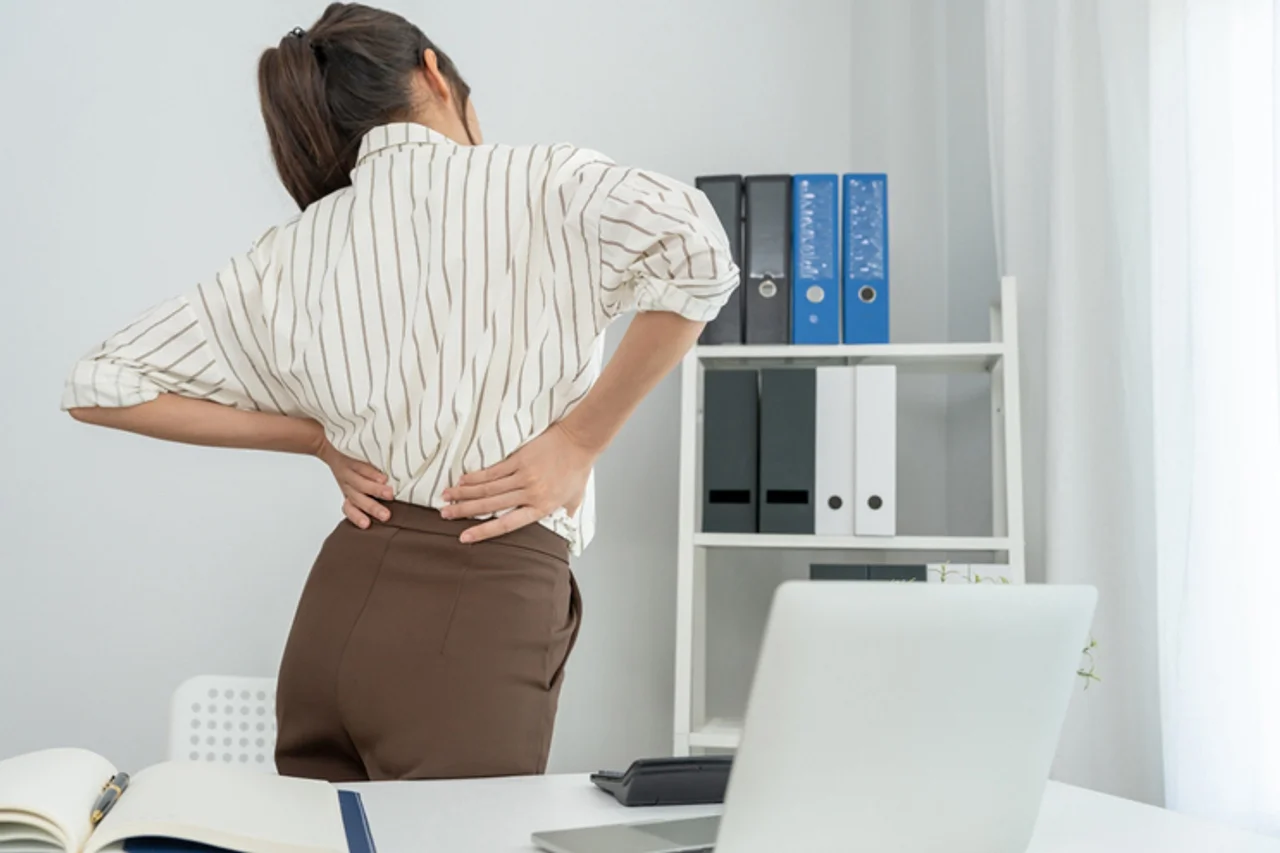
Have you ever looked at your body in the mirror and felt that something was subtly—but persistently—off? Perhaps one shoulder always sits higher, your neck turns slightly without you intending it to, or your back seems to ache no matter how much you stretch. For many patients, these signs are brushed off as “bad posture” or stress. But in our clinical experience at Banpo Newborn Korean Medicine Clinic, these patterns often point to deeper conditions such as muscle dystonia and scoliosis—two disorders that may seem unrelated on the surface, yet are deeply interconnected within the body’s neuromuscular system.
To be honest, many people don’t realize how often abnormal muscle tension and spinal curvature are influencing each other. Over the past 30 years, we’ve seen that when one is treated in isolation, the other often persists. True recovery requires addressing both together, as part of a single, integrated system.
This article explains what muscle dystonia and scoliosis are, why they are connected, and how Banpo Newborn Korean Medicine Clinic approaches treatment in a holistic, non-surgical way—guided by the clinical philosophy and techniques developed by Dr. Ungjin Im.
Understanding Muscle Dystonia: When Muscles Forget How to Relax
What Is Muscle Dystonia?
Muscle dystonia is a neurological movement disorder characterized by involuntary muscle contractions. These contractions cause repetitive movements, twisting, or abnormal postures. Unlike muscle stiffness from fatigue, dystonia originates from miscommunication between the brain, nerves, and muscles.
Patients may experience:
Persistent neck rotation or tilting (cervical dystonia)
Shoulder elevation or pulling
Trunk twisting
Facial or jaw tension
Muscle tightness that worsens with stress or fatigue
One of the most frustrating aspects of dystonia is that patients often feel they are fighting their own body. The muscles contract even when the person consciously tries to relax them.
Why Dystonia Is Often Misunderstood
In Korea, many patients initially visit orthopedic clinics or receive pain medication, massage, or even botulinum toxin injections. While these may temporarily reduce symptoms, they rarely address the underlying postural and spinal factors that sustain dystonia.
At Banpo Newborn, we view dystonia not as an isolated muscle problem, but as a whole-body imbalance—often rooted in spinal misalignment and altered sensory feedback.
Understanding Scoliosis: More Than a Curved Spine
What Is Scoliosis, Really?
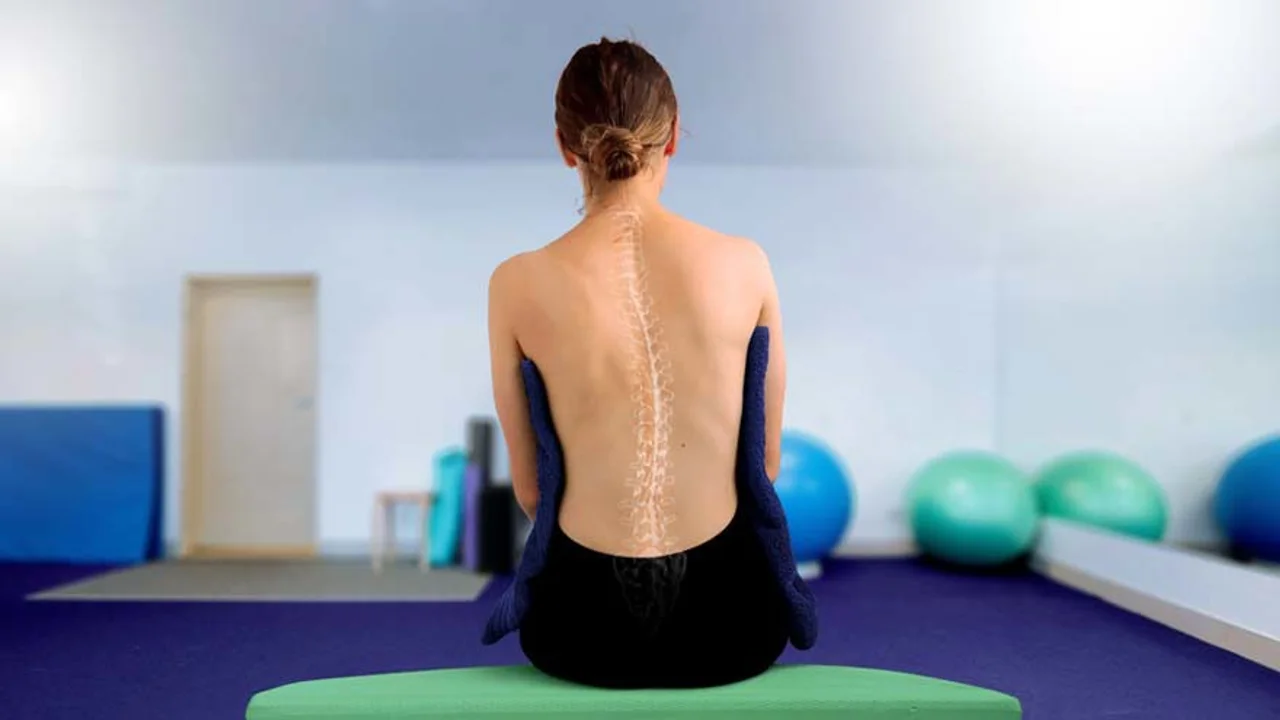
Scoliosis is commonly defined as a sideways curvature of the spine exceeding 10 degrees. But clinically, scoliosis is far more complex than a simple “curve.”
It involves:
Rotational distortion of vertebrae
Asymmetrical muscle tension
Pelvic imbalance
Altered breathing mechanics
Neurological compensation patterns
In adults especially, scoliosis is often functional and progressive, shaped by years of muscle imbalance, poor posture, and unresolved spinal stress rather than congenital bone deformities alone.
The Hidden Neuromuscular Side of Scoliosis
From a Korean medicine perspective, scoliosis is not just structural—it is neuromuscular and energetic. Muscles on one side of the spine become chronically shortened, while the opposite side weakens. Over time, the nervous system adapts to this imbalance and begins to treat it as “normal.”
This is where scoliosis and muscle dystonia begin to overlap.
The Connection Between Muscle Dystonia and Scoliosis
A Two-Way Relationship
In our clinical practice, we often see two patterns:
Dystonia Leading to Scoliosis
Chronic involuntary muscle contraction pulls the spine into abnormal alignment over time.Scoliosis Triggering Dystonia
Long-standing spinal curvature disrupts nerve signaling and proprioception, leading to abnormal muscle activation.
In both cases, the body enters a vicious cycle:
The spine becomes misaligned
The nervous system compensates
Muscles contract abnormally
Posture worsens
Symptoms intensify
Dr. Im often explains this to patients using a simple metaphor:
“If the foundation of a house tilts, the walls will strain to hold it up. Eventually, cracks appear. Treating only the cracks will never fix the foundation.”
Why Conventional Treatments Often Fall Short
Isolated Muscle Treatment Is Not Enough
Many dystonia patients receive localized treatments such as:
Muscle relaxants
Botox injections
Physical therapy focused only on the painful area
Similarly, scoliosis patients may be told:
“Just monitor it”
“Wear a brace”
“Surgery is the only solution”
These approaches can miss the interconnected nature of spine, nerves, and muscles. They often focus on suppressing symptoms rather than restoring balance.
At Banpo Newborn Korean Medicine Clinic, our philosophy is different. We ask:
Why is this muscle contracting?
Why is the spine compensating in this direction?
What message is the nervous system receiving?
Banpo Newborn’s Integrated Treatment Philosophy
A Whole-Body, Non-Surgical Approach
Our clinic specializes in non-invasive spinal alignment and neuromuscular rehabilitation, grounded in Korean medicine principles and refined through decades of clinical experience.
Under the leadership of Dr. Ungjin Im, we developed treatment strategies that address:
Structural alignment
Neurological regulation
Muscular balance
Functional movement patterns
The goal is not simply to “straighten” the spine or relax a muscle—but to teach the body how to move correctly again.
Step 1: Precise Diagnosis and Functional Assessment
Before any treatment begins, we conduct a comprehensive evaluation, which may include:
Postural analysis (standing, sitting, and dynamic movement)
Spinal alignment assessment
Pelvic balance evaluation
Muscle tone and asymmetry testing
Breathing and gait observation
In dystonia cases, we pay close attention to trigger patterns—when symptoms worsen, how stress affects posture, and how the body compensates unconsciously.
This individualized assessment allows us to identify whether scoliosis is driving dystonia, dystonia is driving scoliosis, or both are feeding into each other.
Step 2: Spinal Alignment Restoration Therapy (SART)
Restoring the Body’s Structural Foundation
One of Banpo Newborn’s signature approaches is Spinal Alignment Restoration Therapy (SART)—a gentle, precise method developed by Dr. Im.
SART focuses on:
Correcting subtle vertebral misalignments
Restoring balanced spinal curves
Reducing abnormal nerve tension
Improving proprioceptive input to the brain
Unlike forceful manipulation, SART works with the body’s natural movement patterns. This is especially important for dystonia patients, whose nervous systems are often hypersensitive.
As alignment improves, many patients notice:
Reduced involuntary muscle pulling
Improved head and trunk control
Less fatigue during daily activities
Step 3: Chuna Therapy for Neuromuscular Reeducation
Teaching Muscles to Work Together Again
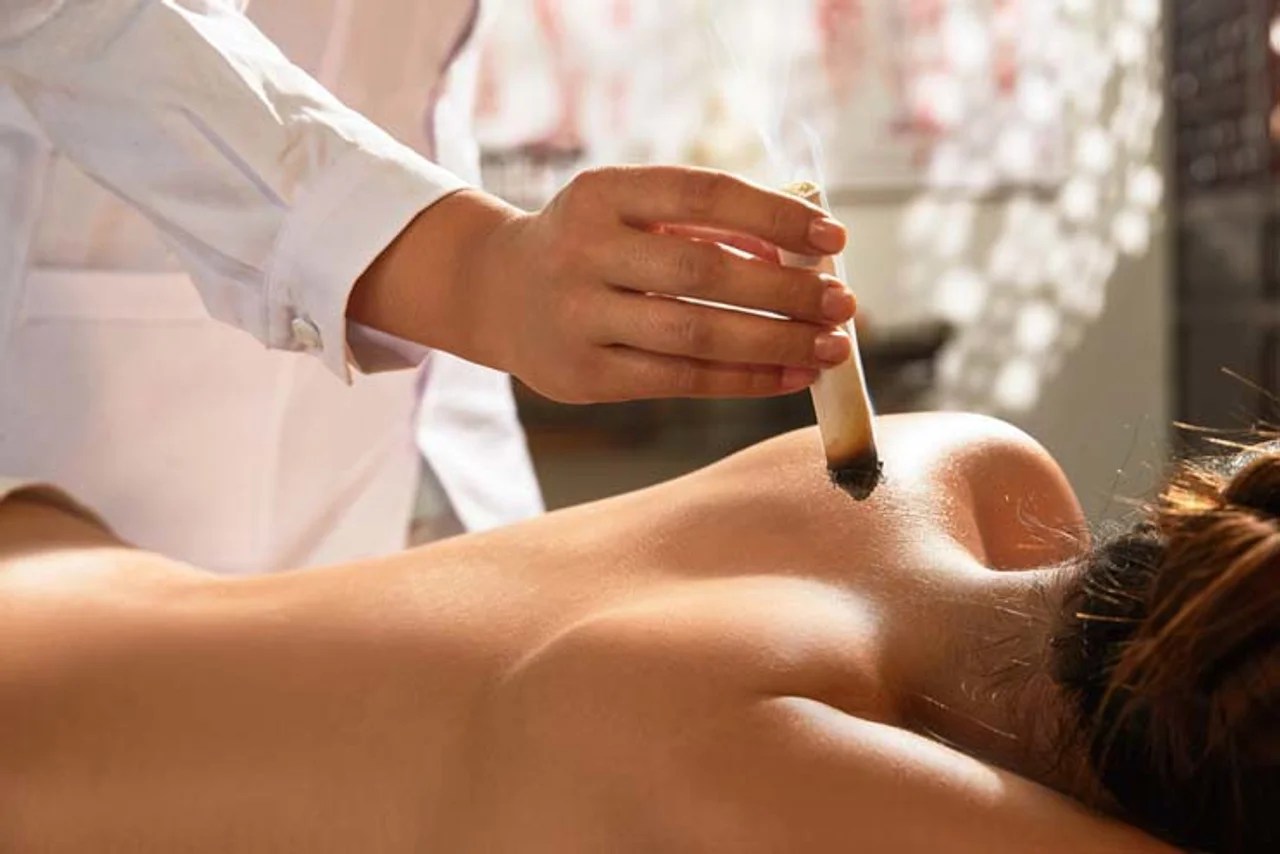
Chuna therapy, a core modality in Korean medicine, plays a crucial role in treating both scoliosis and dystonia.
At Banpo Newborn, Chuna is used to:
Release chronically shortened muscles
Activate inhibited muscles
Improve joint mobility
Rebalance left–right asymmetries
Rather than aggressive stretching, our approach emphasizes neuromuscular reeducation—helping the brain relearn correct movement patterns.
Patients often tell us, “It feels like my body remembers how to sit or stand properly again.”
Step 4: Supporting the Nervous System
Calming the Root of Dystonia
Because muscle dystonia is deeply tied to nervous system dysregulation, treatment must go beyond the musculoskeletal level.
Depending on the patient, we may incorporate:
Acupuncture to regulate nerve signaling
Herbal medicine to support circulation and reduce internal tension
Breathing and posture guidance to reduce sympathetic overactivation
In Korean medicine, we often describe dystonia as a condition of blocked flow and excessive tension. Restoring smooth circulation—both physically and neurologically—is essential for lasting improvement.
Real-Life Clinical Observations
Over the years, we’ve treated patients who arrived feeling hopeless—some with dystonia lasting over a decade, others with adult scoliosis that was steadily worsening.
What stands out most is not just symptom reduction, but functional recovery:
Patients regain confidence in movement
Posture becomes more natural
Pain decreases without reliance on medication
Daily activities feel less exhausting
Healing, in these cases, is not instant. But with consistent, personalized care, the body often responds more positively than patients expect.
Why Early, Integrated Care Matters
Both muscle dystonia and scoliosis are progressive if left unaddressed. The longer the body compensates incorrectly, the more deeply those patterns become ingrained in the nervous system.
Seeking early, comprehensive care can:
Prevent structural worsening
Reduce chronic pain
Improve quality of life
Avoid unnecessary surgical interventions
A Message from Banpo Newborn Korean Medicine Clinic
More Medical Articles
Continue reading clinical insights from Banpo Newborn Korean Medicine Clinic.

Why Seoul is the Global Hub for Minimally Invasive Vertigo Treatment
Dizziness and vertigo are among the most common reasons for hospital visits in South Korea, affecting nearly 16.7% of the adult population annually according to the Korea National Health and Nutrition Examination Survey (KNHANES).
Learn More

Tinnitus Relief in Seoul: Multidisciplinary Upper Cervical Care
For many, the sound of silence is replaced by a persistent ringing, buzzing, or hissing. In South Korea, this is more than an individual annoyance; it is a significant public health trend.
Learn More

Success Rates of SART for OPLL Compared to Standard Laminectomy in Korea
The prevalence of Ossification of the Posterior Longitudinal Ligament (OPLL) in East Asian populations, particularly in South Korea, is significantly higher than in Western countries, affecting approximately 2% to 4% of the population according to nationwide...
Learn More