SART Whole-Body Spinal Alignment, Chuna Therapy & International Patient Concierge
30+ Years Clinical Experience
en-US

Korean Medicine Guide
Muscle Dystonia Causing Neck Pain? Here’s How We Treat the Root
Discover how muscle dystonia causes chronic neck pain and explore effective treatments that target the root, not just the symptoms.
Schedule a Consultation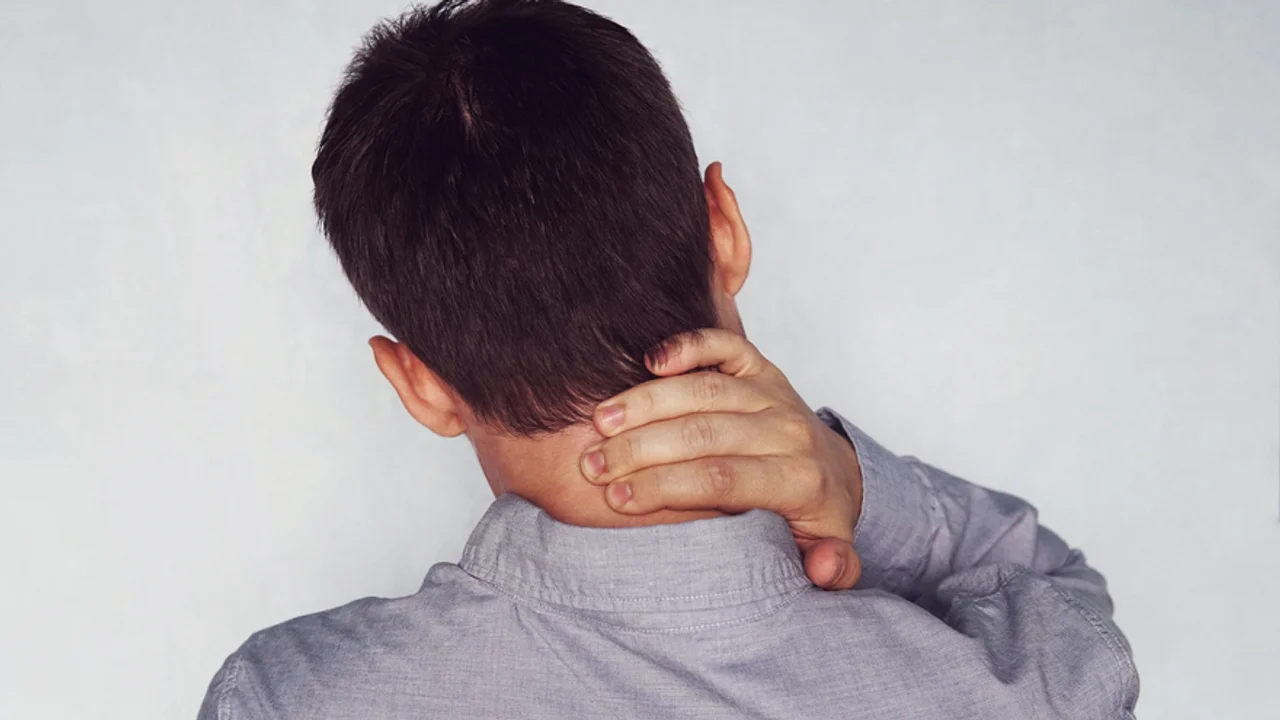
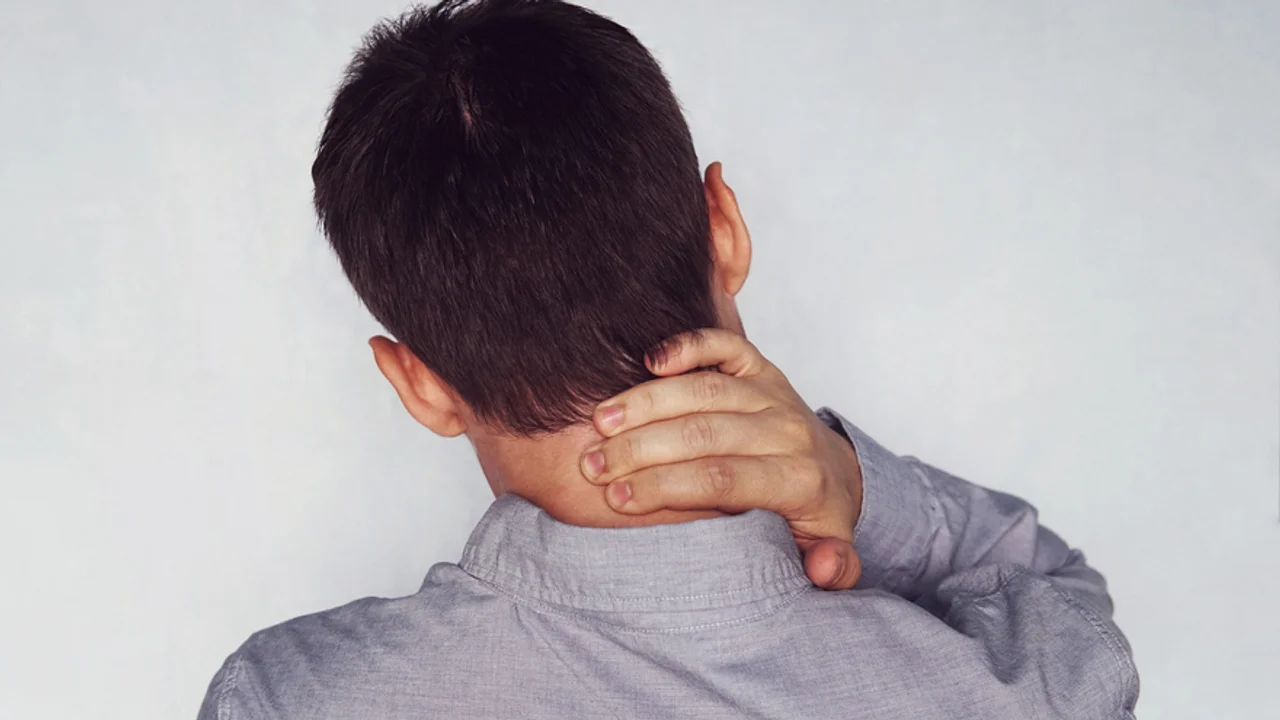
Have you been living with neck pain, neck stiffness, or a stubborn neck ache that flares whenever you turn your head, work at a desk, or wake up in the morning? Many patients come to us convinced something “mysterious” is wrong. Often, the culprit is surprisingly straightforward: Muscle Dystonia—an involuntary, persistent contraction of muscles that pulls the neck and head out of balance. At Banpo Newborn Oriental Medical Clinic in Banpo, Seoul, we see this every day, and we treat it at its source.
To be honest, many people don’t realize how much of their discomfort stems from their spine and jaw working against each other. If you’ve been managing pain for months or years, it can feel like you’re stuck. You’re not. With the right diagnosis and a precise, non-invasive plan, your body can learn to move freely again.
What Is Muscle Dystonia—and Why Does It Hurt So Much?
Dystonia is a nervous-system-driven imbalance: certain muscle groups overfire while their partners underperform. In the neck, this often presents as Torticollis (also known as Wry Neck)—a recognizable tilt or rotation that you may or may not be able to control. When these overactive muscles clamp down, they can trigger:
Neck pain and neck stiffness
Shoulder pain, shoulder stiffness, or even frozen shoulder
Headache and chronic headache patterns (temples, base of skull, behind the eyes)
Tinnitus (ringing in the ears), dizziness, and jaw discomfort
Guarding in the upper back leading to back pain or backache
Dystonia lives where structure meets function. If your Temporomandibular Joint (TMJ) is misaligned or your upper cervical spine is restricted, the brain may “brace” the neck with excessive tone. That can transform a small imbalance into a daily struggle.
When Neck Dystonia Hides a Bigger Story
We frequently meet patients who’ve seen multiple providers for Herniated Disc, Disc Herniation, or Slipped Disc—sometimes with imaging that doesn’t fully explain their symptoms. Others have been told they have Spinal Stenosis or Lumbar Spinal Stenosis and wonder what that has to do with their neck. Here’s the key:
Your body is one kinetic chain. Pelvis, spine, rib cage, neck, and jaw all influence each other.
A rotated pelvis can pull the thoracic spine; a stiff thoracic spine can force the neck to overwork; a clenching jaw can lock the upper cervical segments.
This chain can also contribute to lower back pain, lumbar pain, pelvic pain, pelvic discomfort, and hip pain—especially if you compensate to avoid neck movement.
At Banpo Newborn, we call this the spatial spinal relationship—how each segment’s orientation affects your global posture and nervous system tone.
Our Philosophy: Treat the Root, Not the Noise
Doctor’s Name: Dr. Ungjin Im has devoted over 30 years to non-surgical, precision-guided spine and TMJ care. Our guiding principle is simple: restore alignment and neuromuscular balance first; symptoms follow. Rather than chasing pain from muscle to muscle, we map the body’s patterns and correct the root driver—often a combination of cervical misalignment, TMJ imbalance, thoracic rigidity, and pelvic asymmetry.
We specialize in gentle, hands-on methods supported by measured progress. Every treatment is one-on-one because your pattern is unique. Our goal isn’t temporary relief; it’s durable change.
How We Diagnose Muscle Dystonia at Banpo Newborn
Service Name: Comprehensive Postural & Functional Evaluation
Spinal & Pelvic Alignment Scan
We analyze head tilt, shoulder height, rib cage rotation, and pelvic landmarks to locate the “starter” of your dystonia. The neck rarely acts alone.TMJ and Cranio-Cervical Assessment
The TMJ is a keystone. TMJ Syndrome or TMJ Disorder can amplify neck muscle tone and headaches. We evaluate bite function, jaw opening paths, and upper-cervical glide.Neuromuscular Tone Mapping
We palpate key stabilizers (deep neck flexors, suboccipitals, scalenes) and identify which muscles are overactive vs under-recruiting.Movement Tests
Simple head turns, breathing patterns, and gait analysis can reveal why your neck locks—often due to thoracic stiffness or pelvic rotation.Imaging Review (if available)
If you have imaging for Herniated Disc or Spinal Stenosis, we integrate those findings with your functional pattern to avoid overtreatment or unnecessary fear.
How We Treat Neck Dystonia: Step-by-Step
Service Name: Spinal Alignment Restoration Therapy (SART)
Developed and refined at Banpo Newborn, SART is a structured, non-surgical protocol that realigns the spine while downshifting neuromuscular overactivity. Think of it as teaching your body to “stop bracing.”
1) Spatial Spinal Correction
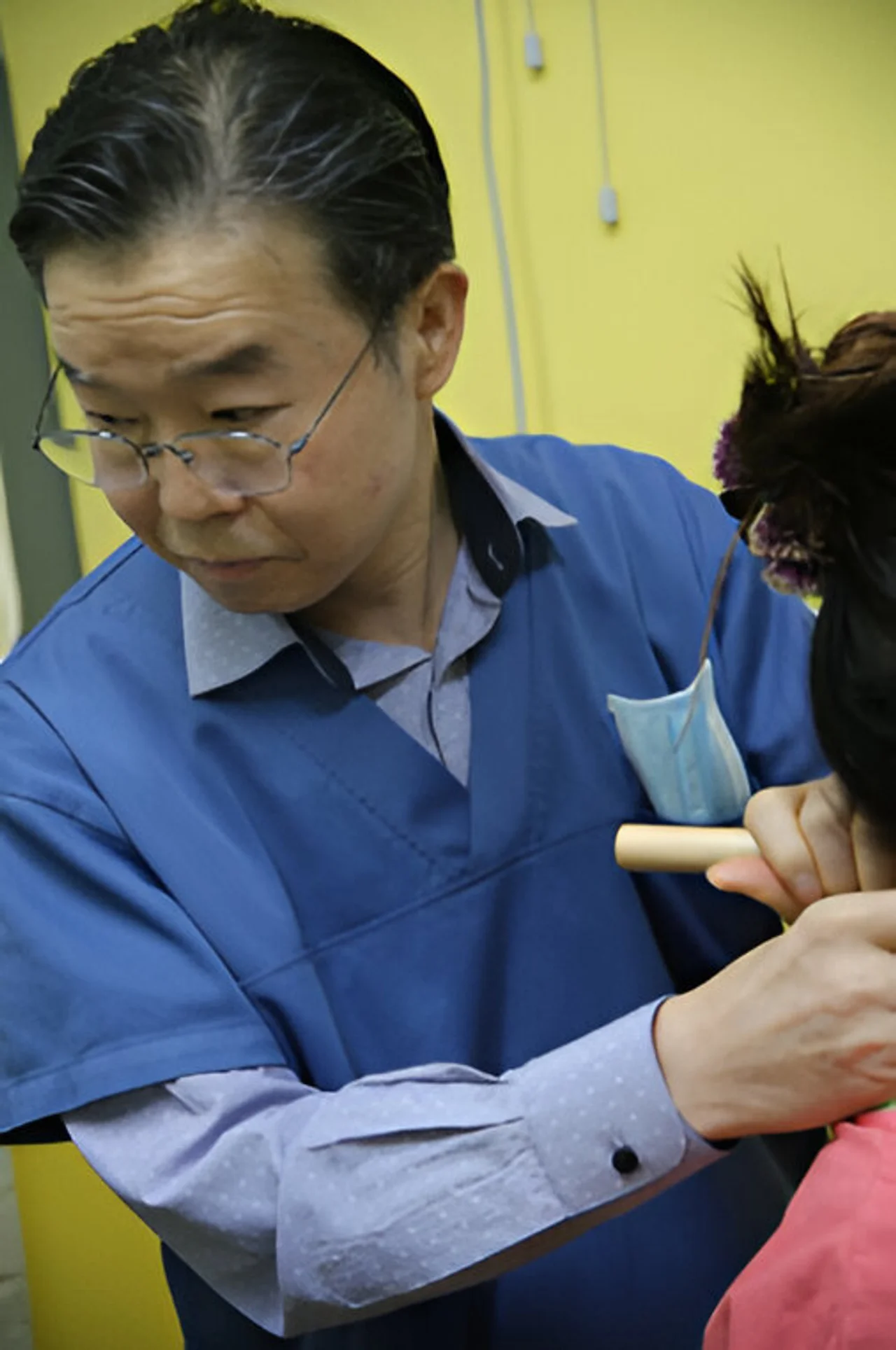
We use precise manual techniques to restore the orientation of the cervical spine relative to the thorax and pelvis. These are gentle, non-thrust adjustments that reduce the mechanical need for dystonic bracing. By re-centering the head over the base of support, the brain can let go of over-tight guarding.
2) Chuna Therapy for Dystonia Patterns
Chuna therapy is a cornerstone of Korean medicine for musculoskeletal care. Our style focuses on soft-tissue release paired with joint mobilization, freeing restricted segments while calming hypertonic muscles. Instead of aggressively stretching tight muscles, we balance the whole chain so the tightness no longer “feels necessary” to your nervous system.
3) TMJ-Focused Rehabilitation
Because the jaw and the upper neck are inseparable, we address deviations, clenching, and disc displacement patterns associated with TMJ Disorder. Gentle techniques align the Temporomandibular Joint (TMJ), which often decreases headache, ear pressure, and tinnitus while unlocking neck rotation.
4) Neuromuscular Re-education
Once alignment improves, we retrain deep stabilizers (such as the deep neck flexors) and inhibit overactive groups (like the upper traps and scalenes). This is the missing step in many programs: if you don’t rewire the pattern, the spine drifts back and dystonia returns.
5) Breath & Rib Mechanics
Restricted rib motion keeps your neck on “high alert.” We restore diaphragmatic function and lateral rib expansion, which reduces sympathetic tone and helps maintain the gains from SART and Chuna.
6) Home Strategy: “Micro-Habits”
We give you 2–3 micro-habits that fit your day: how to stack your head when reading, how to recline without jutting your chin, how to sleep without feeding neck spasm. Small changes, repeated daily, protect your progress.
Specialty Name in Action: How Banpo Newborn Oriental Medical Clinic Treats Spinal Stenosis Without Surgery
Patients with Spinal Stenosis—including Lumbar Spinal Stenosis—often develop global guarding. Even if the narrowing is in the lower back, the entire chain compensates, and the neck can become a secondary victim: elevated shoulders, shortened suboccipitals, and a protective forward head posture.
Our non-surgical protocol emphasizes:
Decompression via Alignment
By restoring pelvic neutrality and thoracic mobility, your spine naturally “stacks,” reducing compressive load. We don’t “stretch the canal”; we reduce the forces that irritate it.Directional Preference Training
Some stenosis symptoms ease when the spine moves a certain way (for example, slight flexion). We identify your preference and build daily strategies around it—walking breaks, sitting angles, and rest postures to minimize flare-ups.Strength Where It Matters
We reinforce stabilizers that unload stenotic segments and calm downstream bracing in the neck and shoulders.Nerve-Friendly TMJ & Cervical Care
When jaw and upper-cervical tension drop, overall sympathetic tone drops. Many stenosis patients report better sleep and fewer chronic headaches once this system calms.
This is how we approach Spinal Stenosis without surgery—by influencing the whole kinetic chain and the nervous system’s tone set-point. Results vary by severity, but many patients achieve meaningful improvements in mobility, pain, and endurance without invasive procedures.
Who Typically Benefits From Our Approach?
Muscle Dystonia of the neck (including Torticollis/Wry Neck)
TMJ Syndrome and related TMJ Disorder with neck and head symptoms
Chronic headache, tension-type headache, and cervicogenic headache patterns
Postural issues such as Scoliosis where neck compensation is prominent
Mixed pain presentations: shoulder pain, frozen shoulder, back pain, lower back pain, lumbar pain, pelvic pain, pelvic discomfort, and hip pain linked to global misalignment
Overlap with Herniated Disc / Disc Herniation / Slipped Disc and Spinal Stenosis where non-surgical care is preferred
If your symptoms worsen with long sitting, screen time, or jaw clenching—yet feel oddly better after specific hands-on work or certain positions—you’re a strong candidate.
A Day in Treatment: What to Expect
More Medical Articles
Continue reading clinical insights from Banpo Newborn Korean Medicine Clinic.

Why Seoul is the Global Hub for Minimally Invasive Vertigo Treatment
Dizziness and vertigo are among the most common reasons for hospital visits in South Korea, affecting nearly 16.7% of the adult population annually according to the Korea National Health and Nutrition Examination Survey (KNHANES).
Learn More

Tinnitus Relief in Seoul: Multidisciplinary Upper Cervical Care
For many, the sound of silence is replaced by a persistent ringing, buzzing, or hissing. In South Korea, this is more than an individual annoyance; it is a significant public health trend.
Learn More

Success Rates of SART for OPLL Compared to Standard Laminectomy in Korea
The prevalence of Ossification of the Posterior Longitudinal Ligament (OPLL) in East Asian populations, particularly in South Korea, is significantly higher than in Western countries, affecting approximately 2% to 4% of the population according to nationwide...
Learn More