SART Whole-Body Spinal Alignment, Chuna Therapy & International Patient Concierge
30+ Years Clinical Experience
en-US


Korean Medicine Guide
Neck Ache = Neck Problem? Not Always!
Neck ache isn’t always a neck problem. Learn hidden causes, referred pain, and when to seek proper diagnosis for lasting neck pain relief.
Schedule a ConsultationNeck Ache = Neck Problem? Not Always!

Have you ever woken up with a stiff neck and immediately assumed, “I must have slept wrong” or “Something’s wrong with my neck”? You’re not alone. Neck pain is one of the most common complaints we hear at Banpo Newborn Korean Medicine Clinic. In modern life—long hours at a desk, endless smartphone use, stress that never seems to switch off—it feels logical to blame the neck itself.
But to be honest, neck ache is often not just a neck problem.
After more than 30 years of treating patients with chronic pain, postural imbalance, and spinal disorders, we’ve learned one essential truth: the body never works in isolation. When your neck hurts, it may be signaling a deeper imbalance elsewhere—sometimes far from where the pain is felt.
This article will help you understand why neck pain isn’t always what it seems, what might really be causing it, and how a whole-body approach can lead to lasting relief instead of temporary fixes.
Why Neck Pain Feels So Common Today
Let’s start with reality. Neck pain has become almost “normal” in modern society, especially in Korea, where long work hours and high smartphone use are part of daily life. Many people spend 8–12 hours a day sitting, looking slightly downward, shoulders rounded forward, head pushed ahead of the body.
From a medical perspective, this posture alone places several kilograms of extra load on the cervical spine. Over time, muscles tighten, joints stiffen, circulation slows, and nerves become irritated. Pain appears—and it appears in the neck.
But here’s the key question we always ask at our clinic:
Why did the neck become vulnerable in the first place?
Pain is rarely the starting point. It’s usually the result.
The Neck: A Victim, Not the Culprit
The cervical spine (neck) is incredibly mobile. It supports the weight of the head, protects vital nerves, and allows us to turn, bend, and look around freely. Because of this mobility, the neck often becomes the compensation zone when other parts of the body are misaligned.
Think of the neck like the top floor of a building. If the foundation below is unstable, cracks will appear upstairs first.
At Banpo Newborn Korean Medicine Clinic, we often find that patients with neck pain actually have issues in areas such as:
The pelvis
The lower back (lumbar spine)
The thoracic spine (upper/mid-back)
The jaw (TMJ)
Even the feet
When these areas lose balance, the neck works overtime to keep the eyes level and the body upright. Over time, strain accumulates—and pain follows.
Common Hidden Causes of Neck Ache

1. Pelvic Imbalance: The Root Many People Miss
This may surprise you, but one of the most frequent contributors to chronic neck pain is pelvic misalignment.
The pelvis is the body’s center of gravity. If it tilts forward, backward, or to one side, the spine must adapt. That adaptation travels upward—lumbar spine, thoracic spine, shoulders—and eventually reaches the neck.
We often meet patients who say:
“My neck hurts every day, but my lower back feels fine.”
Yet when we examine them, we find subtle pelvic rotation that’s been present for years. The neck has simply been compensating quietly—until it couldn’t anymore.
2. Thoracic Stiffness and Rounded Upper Back
Another overlooked factor is stiffness in the mid-back (thoracic spine). This area is designed to rotate and extend. But long hours of sitting cause it to stiffen and round forward.
When the thoracic spine can’t move properly, the neck is forced to move more than it should. Over time, this excessive movement leads to:
Muscle tension
Facet joint irritation
Cervical disc stress
Recurrent stiffness and headaches
In these cases, treating only the neck is like oiling a squeaky hinge while ignoring the warped door.
3. TMJ (Jaw Joint) Dysfunction
The relationship between the jaw and the neck is intimate and often underestimated.
The temporomandibular joint (TMJ) shares muscles, fascia, and neurological connections with the cervical spine. Jaw imbalance—caused by teeth grinding, stress, poor bite alignment, or trauma—can alter head position and muscle tone in the neck.
Patients with TMJ-related neck pain may also experience:
Headaches
Ear fullness or ringing
Facial tension
Shoulder tightness
At our clinic, we frequently see neck pain improve dramatically once TMJ balance is restored.
4. Emotional and Nervous System Stress
In Korean medicine, pain is not only mechanical—it’s also functional and energetic.
Chronic stress activates the sympathetic nervous system, leading to persistent muscle tension, shallow breathing, and reduced blood flow. The neck and shoulders are prime areas where stress accumulates.
If you’ve ever noticed your shoulders creeping up toward your ears during a stressful day, you’ve experienced this firsthand.
In these cases, no amount of stretching alone will resolve the problem unless the nervous system is also addressed.
Why Pain Location Can Be Misleading
One of the most important concepts we teach patients is this:
The place that hurts is not always the place that’s broken.
Pain is the body’s alarm system, not its diagnostic report.
For example:
A twisted pelvis may cause neck stiffness.
A stiff thoracic spine may cause cervical disc pain.
Jaw imbalance may cause shoulder and neck tension.
Foot asymmetry may alter posture all the way up to the neck.
When treatment focuses only on suppressing pain—through medication, injections, or repeated massage—the underlying imbalance remains. This is why many people experience temporary relief followed by relapse.
The Korean Medicine Perspective: Seeing the Whole System
Traditional Korean medicine has always emphasized balance, flow, and structure. Rather than isolating one painful area, we assess how the entire body is working together.
At Banpo Newborn Korean Medicine Clinic, this philosophy is combined with modern anatomical understanding and decades of clinical experience.
Our approach asks:
Is the spine aligned spatially?
Is weight distributed evenly?
Are joints moving in their natural range?
Is the nervous system calm or overactivated?
Are muscles compensating for deeper structural issues?
Only when these questions are answered can true healing begin.
Spinal Alignment Restoration Therapy (SART): A Different Way Forward
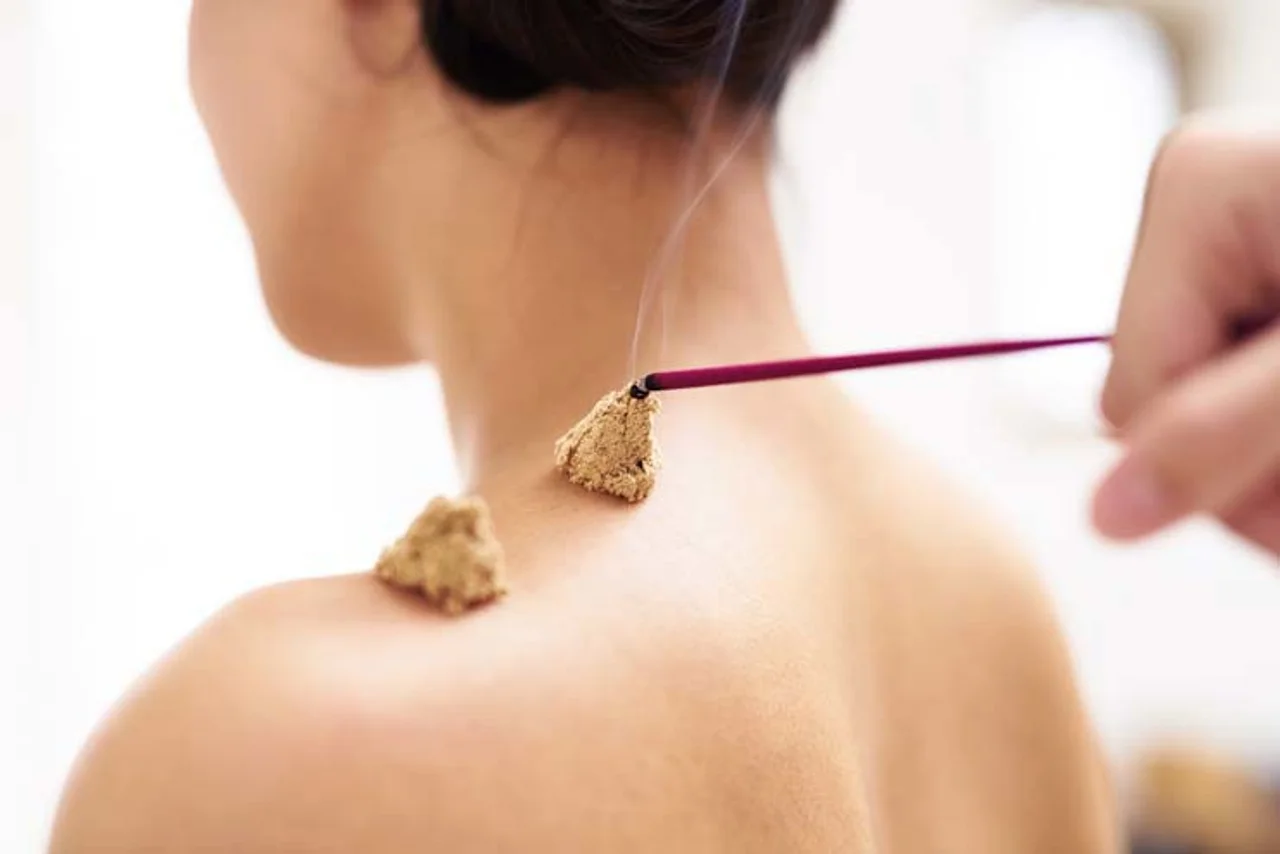
One of the unique treatment approaches developed by Dr. Ungjin Im is Spinal Alignment Restoration Therapy (SART).
Rather than forcing adjustments or focusing solely on the painful area, SART works to:
Restore natural spinal curves
Rebalance pelvic and spinal alignment
Reduce compensatory tension patterns
Improve communication between the spine and nervous system
Patients often tell us:
“My neck feels lighter, but we barely touched it.”
That’s because once the underlying imbalance is corrected, the neck no longer needs to struggle.
When Neck Pain Becomes Chronic
Acute neck pain can often resolve with rest and gentle care. But when pain lasts months or years, it usually means the body has adapted to a faulty pattern.
Signs your neck pain may be part of a deeper issue include:
Pain that returns repeatedly
Stiffness that moves from side to side
Neck pain with headaches or dizziness
Pain that worsens with stress
Temporary relief from massage, but no lasting improvement
These are signals that the neck is reacting, not originating the problem.
What You Can Do Right Now
While professional evaluation is essential for chronic issues, there are steps you can take today:
Check your posture, especially your head position. Is it drifting forward?
Observe patterns, not just pain. When does it worsen?
Avoid self-blame. Neck pain is not a personal failure—it’s a bodily message.
Think globally. Ask what else in your body might be contributing.
Most importantly, don’t ignore pain that keeps returning. It’s your body asking for deeper attention.
A Message from Banpo Newborn Korean Medicine Clinic
If you’ve been living with neck pain for years, it can feel frustrating, even hopeless. Many of our patients arrive after trying countless treatments, only to hear, “Your neck looks fine” or “It’s just stress.”
But your pain is real—and it has a reason.
At Banpo Newborn Korean Medicine Clinic in Banpo, Seoul, we specialize in uncovering those reasons through careful evaluation, precise spinal alignment, and compassionate, one-on-one care. Our goal is not short-term relief, but long-term balance and recovery.
Because in most cases, neck ache isn’t just a neck problem—and once you understand that, true healing becomes possible.
If you’re considering a deeper, non-surgical approach to chronic neck pain, a comprehensive spinal check-up may be the first step toward lasting relief.
More Medical Articles
Continue reading clinical insights from Banpo Newborn Korean Medicine Clinic.

Why Seoul is the Global Hub for Minimally Invasive Vertigo Treatment
Dizziness and vertigo are among the most common reasons for hospital visits in South Korea, affecting nearly 16.7% of the adult population annually according to the Korea National Health and Nutrition Examination Survey (KNHANES).
Learn More

Tinnitus Relief in Seoul: Multidisciplinary Upper Cervical Care
For many, the sound of silence is replaced by a persistent ringing, buzzing, or hissing. In South Korea, this is more than an individual annoyance; it is a significant public health trend.
Learn More

Success Rates of SART for OPLL Compared to Standard Laminectomy in Korea
The prevalence of Ossification of the Posterior Longitudinal Ligament (OPLL) in East Asian populations, particularly in South Korea, is significantly higher than in Western countries, affecting approximately 2% to 4% of the population according to nationwide...
Learn More