SART Whole-Body Spinal Alignment, Chuna Therapy & International Patient Concierge
30+ Years Clinical Experience
en-US

Korean Medicine Guide
Not Sure If It’s a Disc Problem? Get a Precise Diagnosis in One Visit
Not sure if it’s a disc problem? Get a precise spinal diagnosis in one visit with advanced imaging, expert evaluation, and personalized treatment options.
Schedule a ConsultationNot Sure If It’s a Disc Problem? Get a Precise Diagnosis in One Visit
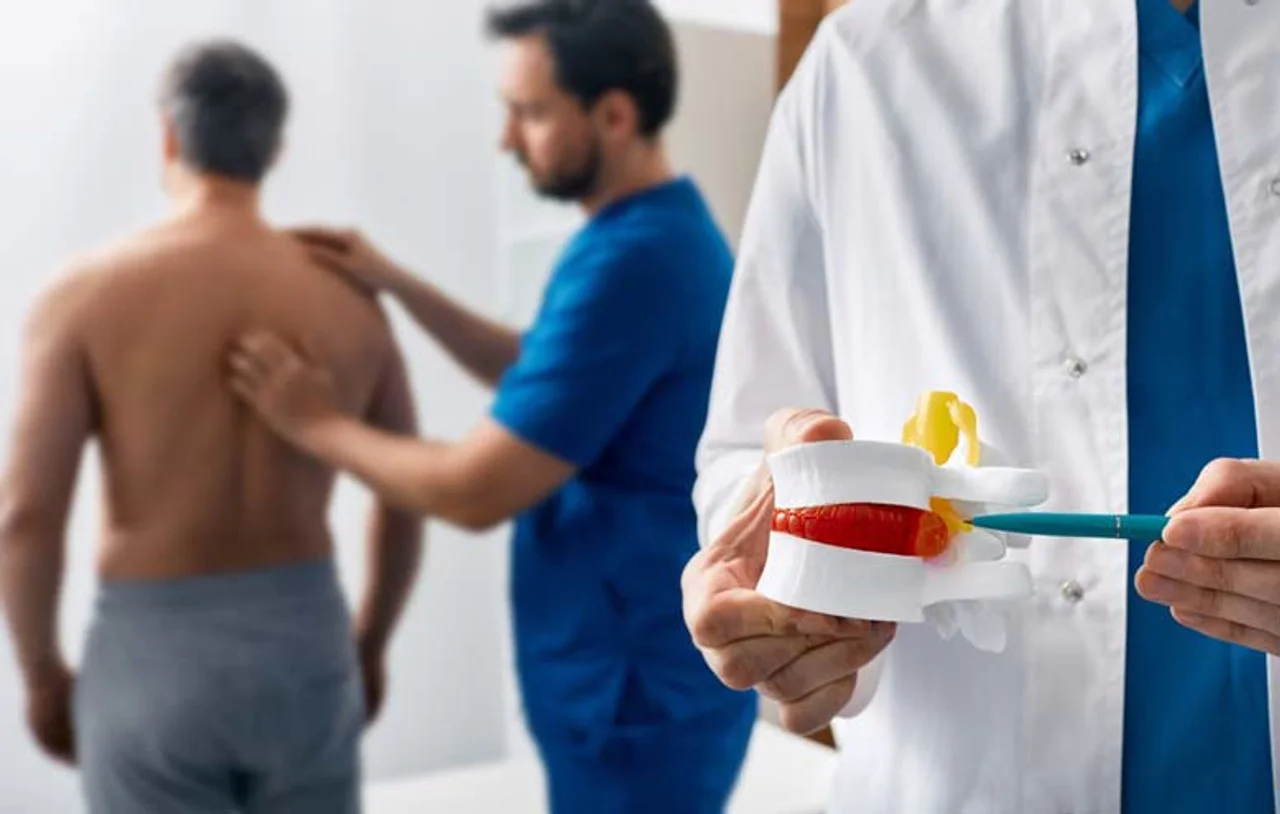
Have you ever been told, “It’s probably a disc issue”, but no one could explain exactly which disc, how serious it is, or why your pain feels different every day?
At Banpo Newborn Korean Medicine Clinic, we meet patients like this almost daily. They arrive carrying MRI CDs, X-ray films, or years of unanswered questions—still unsure whether their pain is truly coming from a disc problem or something else entirely.
To be honest, uncertainty is often more exhausting than pain itself.
This article is written for anyone who suspects a disc problem but wants clarity—not guesswork. We’ll walk you through what disc problems really are, why they’re frequently misdiagnosed, and how a precise, one-visit diagnostic approach can change the direction of your recovery.
What People Mean When They Say “Disc Problem”
The word disc is often used loosely, but medically, it refers to the intervertebral disc—a soft, shock-absorbing structure that sits between the bones of your spine.
Each disc has two main parts:
The nucleus pulposus (a gel-like center)
The annulus fibrosus (a tough outer ring)
When functioning properly, discs allow smooth movement and protect spinal nerves. When compromised, they can irritate nearby nerves or destabilize spinal alignment.
Common disc-related conditions include:
Disc bulge
Disc herniation
Disc protrusion
Disc degeneration
Disc extrusion or sequestration
However—and this is crucial—not all disc abnormalities cause symptoms, and not all spinal pain originates from discs.
Why Disc Problems Are So Often Misdiagnosed
One of the most surprising truths we share with patients is this:
An abnormal MRI does not automatically mean your disc is the cause of your pain.
Imaging vs. Reality
Many people in their 30s, 40s, and beyond have disc bulges visible on MRI without any pain at all. Meanwhile, others experience severe pain with only minimal disc changes.
So why the disconnect?
Because pain is not just about structure—it’s about function, alignment, nerve irritation, and biomechanics.
Common Causes of Misdiagnosis
Overreliance on MRI results
Imaging shows structure, not movement or nerve behavior.Lack of functional assessment
How your spine moves often matters more than how it looks.Ignoring pelvic and spinal balance
A tilted pelvis or rotated vertebra can overload a disc secondarily.Treating symptoms instead of systems
Pain radiating down the leg might not originate where it hurts.
At Banpo Newborn, we often discover that a “disc problem” is actually:
A spinal alignment imbalance
Facet joint dysfunction
Pelvic torsion
Muscular compensation
Or nerve tension unrelated to disc compression
The Spine Is a System, Not a Stack of Parts
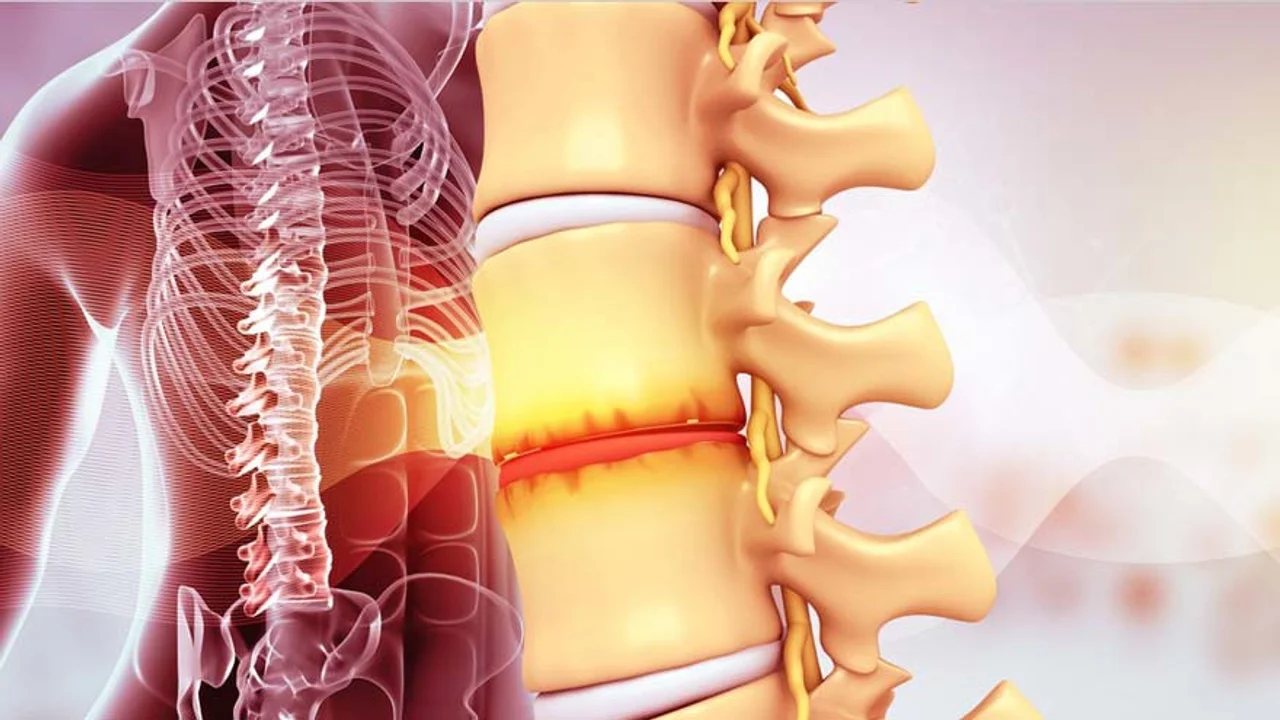
Dr. Ungjin Im often explains the spine using a simple metaphor:
“If a house tilts, the foundation isn’t always cracked. Sometimes the ground beneath it shifted.”
Similarly, disc stress frequently results from misaligned spinal mechanics, not isolated disc damage.
How Misalignment Leads to Disc Symptoms
Rotated vertebrae increase uneven pressure on discs
Pelvic imbalance alters spinal load distribution
Chronic poor posture changes disc hydration and elasticity
TMJ imbalance can influence cervical spine tension
When these issues persist, discs become victims, not villains.
Signs Your Pain Might Not Be a Disc Problem
Before assuming the worst, consider these clues:
Pain changes significantly with posture
Symptoms fluctuate daily without injury
MRI findings don’t match pain location
Pain improves temporarily with manual adjustment
Symptoms worsen when standing still rather than moving
These patterns often suggest functional spinal imbalance, not progressive disc damage.
What a “Precise Diagnosis” Actually Means
At Banpo Newborn Korean Medicine Clinic, diagnosis is not a checklist—it’s a process of elimination and confirmation.
A precise diagnosis answers five essential questions:
Is the disc actually causing nerve compression?
Which spinal level is truly responsible?
Is the problem structural, functional, or both?
What compensations has the body developed?
Can this be corrected without surgery?
Only when all five are addressed can treatment be safe and effective.
How We Achieve Diagnostic Clarity in One Visit
Patients are often surprised that clarity can be achieved in a single visit—not because it’s rushed, but because the process is integrated and focused.
Step 1: In-Depth Clinical Interview
We begin with careful listening:
When did the pain start?
How has it changed?
What movements worsen or relieve it?
How does it affect daily life?
Pain patterns often reveal more than images.
Step 2: Structural & Postural Analysis
Using hands-on examination and postural assessment, Dr. Im evaluates:
Spinal curvature balance
Vertebral rotation
Pelvic symmetry
Weight distribution
Head and shoulder alignment
Subtle imbalances here often explain disc stress.
Step 3: Neurological & Functional Testing
We assess:
Nerve reflexes
Muscle strength
Range of motion
Movement quality
This helps distinguish true nerve compression from referred or functional pain.
Step 4: Imaging Interpretation—With Context
If you have MRI or X-ray results, we review them in correlation with physical findings, not in isolation.
This step alone resolves much confusion for patients who’ve been told conflicting things.
Step 5: Diagnostic Synthesis
Finally, everything is integrated into a clear explanation:
What is happening
Why it’s happening
What can be done safely
No vague conclusions. No unnecessary fear.
When It Is a Disc Problem—What That Means
If a disc is confirmed as the primary cause, the goal is not forceful correction, but pressure normalization and nerve relief.
This is where Banpo Newborn’s specialized approach matters.
Spinal Alignment Restoration Therapy (SART)
SART focuses on:
Correcting vertebral rotation
Reducing asymmetric disc pressure
Restoring natural spinal curves
Allowing discs to heal under balanced load
Rather than “pushing discs back,” we create conditions where the body can recover.
Why One-Size-Fits-All Treatments Often Fail
Many disc patients try:
Repeated injections
Generic physical therapy
Aggressive manipulation
Long-term medication
These approaches may temporarily reduce pain but often fail to address why the disc was stressed in the first place.
At Banpo Newborn, treatment is never protocol-based. It is person-based.
Real-Life Patient Insight
One patient in her 40s came to us with a confirmed L4–L5 disc herniation. Surgery had been recommended.
After comprehensive evaluation, we found:
Significant pelvic rotation
Upper lumbar compensation
Minimal true nerve compression
Through alignment correction and targeted therapy, her symptoms improved steadily—without surgery.
Her disc didn’t magically disappear. But her pain did.
Disc Problems Don’t Exist in Isolation
Another often-overlooked factor is TMJ and cervical alignment.
Jaw imbalance can:
Increase cervical disc stress
Alter head posture
Trigger compensatory thoracic tension
This is why Banpo Newborn’s integrated approach—addressing spine, pelvis, and TMJ—matters for long-term results.
What You Should Avoid Before Getting a Clear Diagnosis
If you’re unsure whether you truly have a disc problem, avoid:
Aggressive spinal cracking
Blind traction therapy
Excessive stretching without assessment
Fear-based decisions about surgery
Clarity must come before correction.
What Happens After Diagnosis?

Once your diagnosis is clear, you receive:
A personalized treatment plan
A realistic recovery timeline
Clear explanation of expected changes
Guidance on daily posture and movement
Most importantly, you regain confidence in your body.
Why Patients Value a One-Visit Answer
We often hear patients say:
“This is the first time everything made sense.”
When diagnosis is precise:
Treatment becomes safer
Recovery becomes faster
Anxiety decreases
Trust is restored
That alone is healing.
When Should You Seek a Comprehensive Evaluation?
Consider a full spinal diagnostic visit if:
Pain persists despite treatment
MRI findings don’t explain symptoms
Surgery has been suggested without clear explanation
You feel unsure or confused about your condition
You deserve answers, not assumptions.
A Final Word from Banpo Newborn
If you’ve been living with pain and uncertainty, please know this:
Not all disc problems require surgery.
Not all pain comes from discs.
And not all diagnoses need months to reach.
With careful evaluation, experienced hands, and a holistic perspective, clarity is possible—sometimes in just one visit.
If you’re considering a spinal check-up, Banpo Newborn Korean Medicine Clinic offers comprehensive diagnostic evaluations and personalized care rooted in over 30 years of clinical experience.
Your spine deserves understanding before intervention.
More Medical Articles
Continue reading clinical insights from Banpo Newborn Korean Medicine Clinic.

Why Seoul is the Global Hub for Minimally Invasive Vertigo Treatment
Dizziness and vertigo are among the most common reasons for hospital visits in South Korea, affecting nearly 16.7% of the adult population annually according to the Korea National Health and Nutrition Examination Survey (KNHANES).
Learn More

Tinnitus Relief in Seoul: Multidisciplinary Upper Cervical Care
For many, the sound of silence is replaced by a persistent ringing, buzzing, or hissing. In South Korea, this is more than an individual annoyance; it is a significant public health trend.
Learn More

Success Rates of SART for OPLL Compared to Standard Laminectomy in Korea
The prevalence of Ossification of the Posterior Longitudinal Ligament (OPLL) in East Asian populations, particularly in South Korea, is significantly higher than in Western countries, affecting approximately 2% to 4% of the population according to nationwide...
Learn More