SART Whole-Body Spinal Alignment, Chuna Therapy & International Patient Concierge
30+ Years Clinical Experience
en-US

Korean Medicine Guide
Pediatric Dystonia: Signs, Symptoms, and Safe Natural Treatments
Pediatric dystonia guide on early signs, symptoms, causes, and safe natural treatments to support better movement, comfort, and long-term child wellness.
Schedule a ConsultationPediatric Dystonia: Signs, Symptoms, and Safe Natural Treatments
By Banpo Newborn Korean Medicine Clinic, Banpo, Seoul
Have you ever watched your child struggle with movements that seem stiff, shaky, or “not quite in their control,” and wondered whether it was something more than simple clumsiness? Many parents come to our clinic with this exact concern. They describe their child’s hand twisting when writing, toes curling inward while walking, or the neck pulling to one side during moments of stress or fatigue. To be honest, most families have never even heard the term pediatric dystonia until the day it enters their lives.
Yet dystonia in children is more common than many expect, and early recognition can significantly change the child’s long-term outcome. At Banpo Newborn Korean Medicine Clinic, where we’ve treated musculoskeletal and neurological conditions for more than 30 years, we approach pediatric dystonia with patience, precision, and a deep respect for the child’s growing body. This article explains what dystonia looks like, why it develops, and how safe, natural, non-invasive therapies—especially those that focus on spinal alignment—can play a key role in restoring healthy movement.
What Is Pediatric Dystonia?
Pediatric dystonia is a neurological movement disorder in which the brain sends abnormal signals to the muscles, resulting in involuntary contractions or postural distortions. These movements can be sustained or intermittent, mild or severe. The key feature is that the child is not choosing to move this way; the body simply “pulls” or “twists” on its own.
Parents often notice:
Abnormal posture during writing, eating, or playing
Movements that worsen with fatigue, excitement, or stress
Muscles that appear overly tense or stiff
The child complaining that their body “won’t listen”
In Korean families, especially those who value hard work and rigorous academics, children may be misdiagnosed as simply “tired from studying too much.” Because dystonia symptoms often appear during tasks requiring fine motor control—like pencil use, computer work, or musical instruments—many parents assume it’s related to poor posture or overuse. While posture and tension do play a role, there is often a deeper neurological component involved.
Early Signs and Symptoms Parents Should Recognize
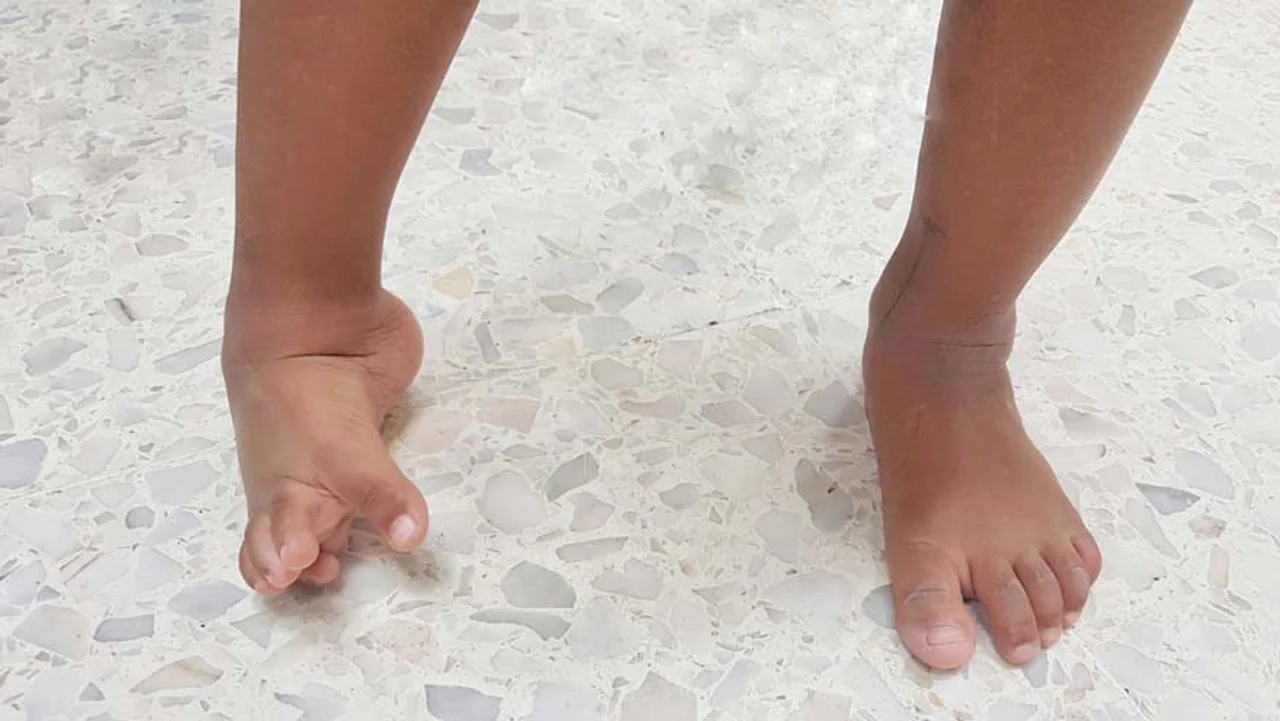
Pediatric dystonia tends to develop gradually, which is why early symptoms are easy to dismiss. Understanding what to look for gives families the best chance of seeking help before the condition progresses.
1. Unusual Twisting or Turning Movements
One of the hallmark signs is an involuntary twisting of the neck, trunk, or limbs. For example, a child may tilt their head repeatedly to one side, or their foot may rotate inward when they try to walk or run. Sometimes these movements look almost playful, but the child cannot stop them even when they try.
2. Difficulty with Handwriting or Hand Control
Many children with early dystonia experience writer’s cramp:
The hand grips the pencil too tightly
Fingers curl inward involuntarily
The forearm becomes rigid
Writing becomes slow and laborious
Parents often ask why their child’s handwriting suddenly worsened despite practice. The truth is, when the muscle signals are distorted, effort alone cannot correct the movement.
3. Gait Abnormalities
Toe-walking, dragging one foot, or tripping more frequently than peers can indicate a dystonic pattern. Unlike simple coordination delays, dystonic gait abnormalities usually appear suddenly or become more noticeable over time.
4. Facial or Jaw Tension
Some children show dystonia in the facial muscles or jaw (similar to mild TMJ dysfunction). Signs may include:
Jaw clenching
Facial grimacing
Difficulty chewing
Speech that becomes strained
This is particularly important because the jaw and cervical spine are intimately connected. Even a small misalignment can magnify dystonic symptoms.
5. Symptoms That Intensify with Stress
Parents often tell us, “It gets worse when my child is anxious.” This is typical. Because dystonia is connected to the brain’s motor pathways, emotional or sensory overload can amplify abnormal muscle firing.
What Causes Pediatric Dystonia?
There is no single cause, but several pathways can contribute. Understanding these helps guide safe and effective treatment.
1. Genetic or Primary Dystonia
Some children inherit a neurological pattern that predisposes them to dystonia. Symptoms often begin in the limbs and gradually spread.
2. Secondary Dystonia
This can arise after:
Birth injuries
Infections
Medication reactions
Trauma or concussion
Metabolic or autoimmune disorders
The developing brain is highly sensitive. Even mild injuries can disrupt movement pathways.
3. Postural and Spinal Factors
Here at Banpo Newborn, we see a consistent, clinically validated relationship between spinal misalignments and dystonic symptoms. The spine functions like a communication highway between the brain and muscles. When it twists, compresses, or rotates—especially in the upper cervical region—nerve signals become distorted.
In children, whose bodies grow rapidly, even subtle misalignments can have outsized effects, leading to:
Abnormal muscle activation
Compensatory postures
Increased physical tension
Worsening dystonia over time
This is why our clinic deeply emphasizes precise spinal correction and gentle realignment for pediatric patients.
Why Timely Treatment Matters
Dystonia does not always resolve on its own. If left unaddressed, the child may experience:
Progressively worsening posture
Reduced confidence in physical activities
Chronic pain in the neck, back, or limbs
Fatigue due to constant muscle contraction
Social emotional stress from feeling “different”
The earlier treatment begins, the more adaptable the child’s nervous system is—and the more successful the outcomes tend to be.
Safe, Natural, and Non-Invasive Treatments for Pediatric Dystonia
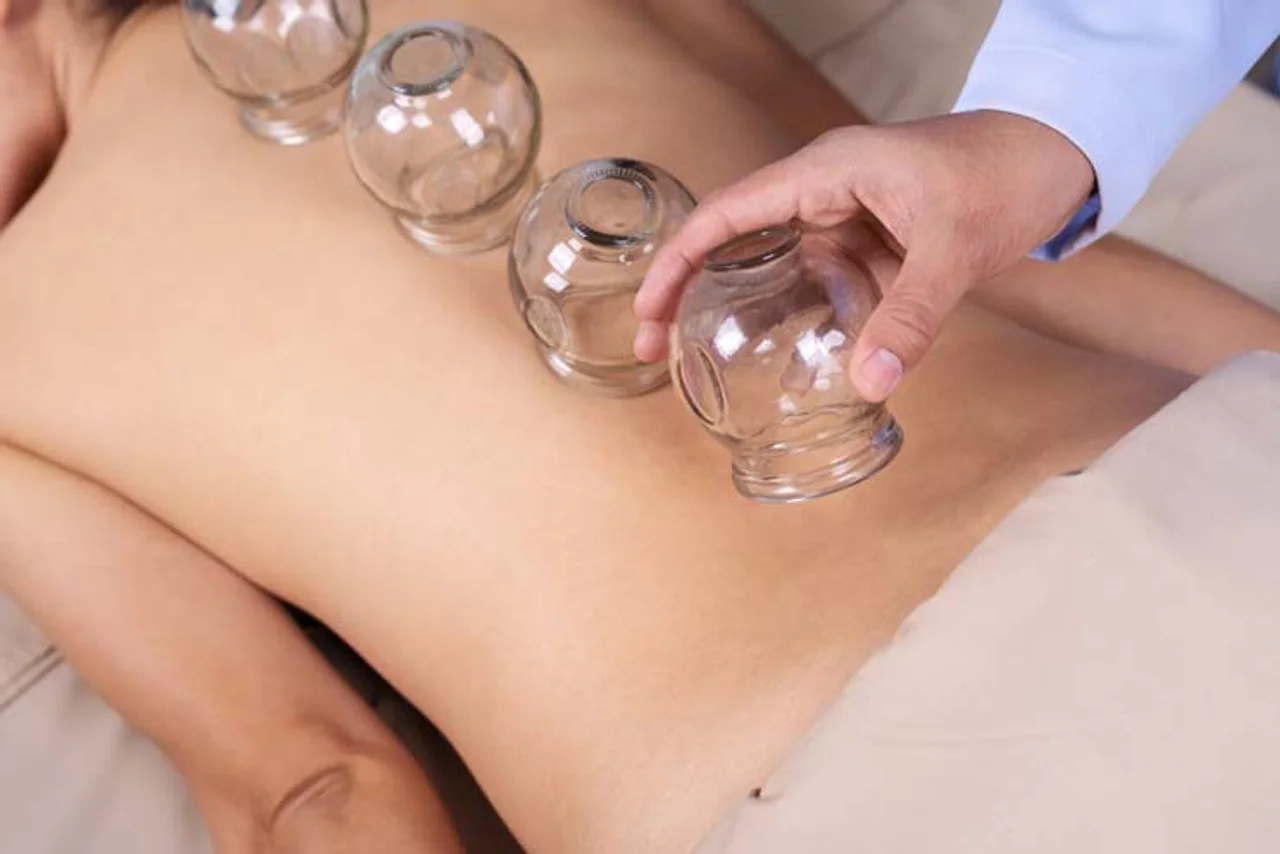
Every treatment decision must balance effectiveness with safety, especially for children. Many families seek options that do not rely solely on long-term medication or invasive procedures. At Banpo Newborn Korean Medicine Clinic, our approach integrates traditional Korean medical principles with modern biomechanical science.
Below are the most gentle yet powerful therapies we use to support children with dystonia.
1. Spatial Spinal Correction (Banpo Newborn Method)
Dr. Ungjin Im, our clinic’s director, has spent decades refining a unique spinal correction approach known as Spatial Spinal Correction. Unlike force-based adjustments, this method analyzes the child’s structure in three dimensions—front/back, left/right, and rotational planes—to identify where abnormal tension originates.
How It Helps Pediatric Dystonia
Restores balanced nerve signaling
Reduces compensatory contractions
Enables more fluid, coordinated movements
Decreases pain or discomfort related to muscle overuse
One parent recently told us, “After a few sessions, my son’s neck finally stopped pulling to the right. He didn’t even realize how much tension he had been holding.”
Because children’s bodies are incredibly responsive, gentle correction often produces visible changes more quickly than parents expect.
2. SART: Spinal Alignment Restoration Therapy
SART is one of our clinic’s signature techniques. It was developed to address deep-seated structural imbalances that interfere with normal movement patterns.
Key Benefits for Dystonia
Rebalances the musculoskeletal system
Improves proprioception (the body’s sense of position)
Reduces excessive muscle firing
Supports long-term postural stability
SART works especially well for children whose dystonia is localized (e.g., hand, neck) but influenced by whole-body tension.
We often explain it this way: if the foundation of a house is tilted, even the walls far away from the tilt begin to warp. Correcting the foundation helps the entire structure relax.
3. Pediatric Chuna Manual Therapy
Chuna is a Korean medical manual therapy grounded in centuries of clinical experience. Our clinic applies a modern, evidence-informed version tailored for children.
Why Children Respond Well to Chuna
Movements are soft and rhythmic
It reduces stiffness and improves joint mobility
It enhances parasympathetic (rest-and-heal) activity
It lowers the physical stress that worsens dystonia
Chuna is especially helpful for children who are fearful of other treatments. Parents often remark that sessions feel more like gentle stretching or guided movement than a medical procedure.
4. TMJ and Cranial Alignment Care
Some children with dystonia present with jaw tension, clenching, or facial pulling. Because the jaw connects to cervical and cranial nerves, TMJ imbalance can amplify involuntary movements.
Our clinic’s TMJ program includes:
Soft-tissue release
Jaw alignment techniques
Cervical stabilization exercises
When the jaw relaxes, dystonic symptoms in the neck and upper body often lessen significantly.
5. Korean Medicine Treatments: Acupuncture and Herbal Support
For children, we use ultra-fine, gentle pediatric acupuncture or non-needle stimulation techniques depending on age and sensitivity. These methods help:
Calm the nervous system
Improve circulation
Reduce muscle tension
Enhance neurological recovery
Herbal formulas may also be recommended to reduce inflammation, regulate stress responses, and support overall growth. Every prescription is customized based on the child’s constitution.
More Medical Articles
Continue reading clinical insights from Banpo Newborn Korean Medicine Clinic.

Why Seoul is the Global Hub for Minimally Invasive Vertigo Treatment
Dizziness and vertigo are among the most common reasons for hospital visits in South Korea, affecting nearly 16.7% of the adult population annually according to the Korea National Health and Nutrition Examination Survey (KNHANES).
Learn More

Tinnitus Relief in Seoul: Multidisciplinary Upper Cervical Care
For many, the sound of silence is replaced by a persistent ringing, buzzing, or hissing. In South Korea, this is more than an individual annoyance; it is a significant public health trend.
Learn More

Success Rates of SART for OPLL Compared to Standard Laminectomy in Korea
The prevalence of Ossification of the Posterior Longitudinal Ligament (OPLL) in East Asian populations, particularly in South Korea, is significantly higher than in Western countries, affecting approximately 2% to 4% of the population according to nationwide...
Learn More