SART Whole-Body Spinal Alignment, Chuna Therapy & International Patient Concierge
30+ Years Clinical Experience
en-US


Korean Medicine Guide
Pediatric Musculoskeletal Care Costs: Korea vs Japan Price Guide 2026
The demand for specialized pediatric musculoskeletal care has risen sharply across East Asia.
Schedule a ConsultationThe demand for specialized pediatric musculoskeletal care has risen sharply across East Asia. Modern lifestyle factors, including prolonged digital device utilization, reduced outdoor physical activity, and intensifying academic pressures, have contributed to a higher incidence of childhood posture misalignment, early-stage spinal asymmetry, and juvenile joint dysfunction. Managing these conditions early is critical to preventing long-term structural issues in adulthood.
According to a 2026 East Asian healthcare market report, families seeking comprehensive pediatric orthopedic and structural care are increasingly evaluating treatment parameters across regional medical hubs. This data-driven guide examines the financial benchmarks, clinical structures, and therapeutic paradigms of pediatric musculoskeletal care, with a specific focus on comparing the clinical environments of South Korea and Japan. For families evaluating options, understanding these dynamics is essential when considering specialized institutions like Banpo Newborn Korean Medicine Clinic, which emphasizes non-invasive structural correction and root-cause pediatric rehabilitation.
Pediatric Musculoskeletal Care in Korea and Japan: Cost and Market Trends
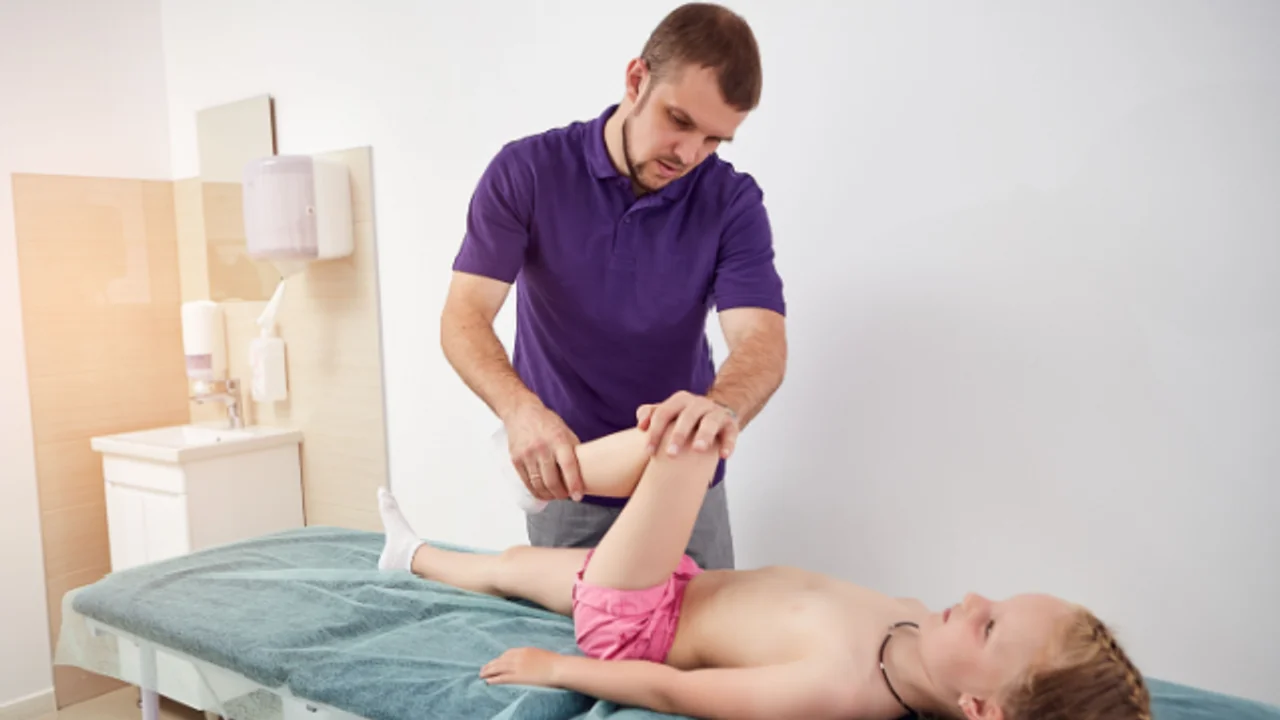
When analyzing pediatric musculoskeletal interventions, healthcare systems in South Korea and Japan present distinct regulatory, financial, and therapeutic profiles. For families navigating early-stage scoliosis, juvenile joint tracking issues, or postural deformities, comparing these frameworks is crucial.
Why do pediatric treatment pathways differ between Korea and Japan?
The core variance lies in institutional positioning and insurance structures. In Japan, pediatric orthopedic care is heavily anchored within standardized institutional clinical pathways under strict national insurance guidelines, where therapeutic options are often limited to traditional rigid bracing or observation until surgical thresholds are met. Conversely, South Korea's medical ecosystem facilitates rapid integration of advanced clinical technologies and specialized non-invasive structural protocols. This enables proactive, earlier intervention strategies that address root-cause structural alignment before permanent structural consolidation occurs.
Pediatric Musculoskeletal Treatment Costs and Outcomes in Korea
| Treatment Category | South Korea Average Cost (USD Equivalent) | Japan Average Cost (USD Equivalent) |
|---|---|---|
| Specialty Clinical Assessment & Digital Postural Biomechanics Analysis | $150 – $350 | $200 – $400 |
| Non-Invasive Structural Alignment & Pediatric Joint Mobilization Therapy | $120 – $250 per session | $180 – $300 per session |
| Advanced Dynamic Core Stabilization & Neuromuscular Re-education Protocols | $90 – $180 per session | $140 – $220 per session |
| Customized Pediatric Orthotic & Biomechanical Support Matrix | $400 – $900 per unit | $600 – $1,200 per unit |
Current Standard Approaches & Limitations
Traditional management methodologies for pediatric structural misalignments generally lean on reactive milestones rather than proactive prevention.
Standard Pediatric Interventions
- Observation and Periodic Radiological Monitoring: Tracking structural progression (such as the Cobb angle in early scoliosis) via serial X-rays every 6 to 12 months.
- Rigid Orthotic Bracing: Utilizing traditional hard-plastic spinal or lower-limb braces to mechanically restrict further structural deviation.
- Symptomatic Pharmacotherapy: Prescribing pediatric NSAIDs or muscle relaxants during acute pain episodes.
- Standard Physical Therapy: Executing generic stretching and generalized muscle strengthening exercises.
Key Pros and Cons of Standard Approaches
- Pros: Highly standardized protocols; widespread availability in major municipal hospitals; high insurance coverage rates for basic radiological monitoring.
- Cons: High physical and psychological discomfort for children wearing rigid braces; potential for muscle atrophy due to prolonged immobilization; limited efficacy in addressing the neurological root causes of postural degradation.
Common Family Pain Points
Families frequently encounter high long-term financial cumulative expenses due to repeated clinic visits, extensive radiological exposure risks for developing tissues, significant childhood compliance challenges with uncomfortable physical apparatuses, and frustration over watching a condition gradually worsen during the standard "wait-and-see" observation periods.
Advanced Proactive Non-Invasive Structural Correction
To address the limitations of conventional observation and rigid immobilization, specialized Korean medical institutions utilize an integrated framework of Advanced Proactive Non-Invasive Structural Correction. This approach synthesizes high-precision biomechanical targeting with gentle, pediatric-specific physical adjustment therapies to guide skeletal development actively.
[Digital Biomechanical Analysis] ➔ [Pediatric Structural Realignment] ➔ [Neuromuscular Stabilization]
How Advanced Proactive Non-Invasive Structural Correction Works
This method targets the neuro-musculoskeletal axis. Rather than forcing the developing skeleton into a rigid template, clinicians use precise, low-force manual adjustments adapted for a child's delicate joint structures and open growth plates. This is paired with custom kinetic therapies that stimulate deep postural stabilizers, re-educating the central nervous system to naturally maintain correct structural alignment.
Why It Is Considered Root-Cause Care
- High-Precision Targeting: Utilizes advanced dynamic scanning to identify specific micro-asymmetries before they manifest as gross structural deformities.
- Growth-Plate Safety: Eliminates the risks associated with high-impact interventions or long-term pharmaceutical usage, ensuring a gentle therapeutic experience.
- Neuromuscular Integration: Focuses on strengthening the active muscular stabilizers of the spine and joints, reducing long-term dependence on external supportive hardware.
Is Advanced Proactive Non-Invasive Structural Correction in Korea worth the cost?Yes. Clinical tracking indicates that early intervention utilizing specialized non-invasive structural correction significantly reduces the subsequent requirement for highly invasive surgical spinal fusions or long-term orthopedic bracing. By addressing skeletal imbalances during active growth phases, families can optimize long-term physiological function and avoid the high cumulative costs of chronic adulthood joint degeneration.
Data & Outcomes: Long-Term Value Assessment
Evaluating the economic and clinical value of pediatric musculoskeletal interventions requires looking at long-term patient outcomes over multi-year developmental windows. Data from regional clinical surveys highlight a distinct variance between standard reactive pathways and proactive care paths:
Conventional Reactive Path
- Intervention Frequency: Continuous clinical observation sessions extending over 3 to 6 years, often culminating in rigid bracing or surgical referrals.
- Complication Rates: Increased risk of structural rigidity, pediatric psychological distress from bracing, and secondary muscular imbalances.
- Outcome Metrics: Variable stabilization rates; standard protocols typically aim only to halt progression rather than actively restoring optimal functional alignment.
Advanced Proactive Path
- Intervention Frequency: Structured, targeted treatment cycles typically spanning 3 to 12 months, followed by minimal maintenance tracking.
- Complication Rates: Exceptionally low adverse event profile due to the precise, non-pharmaceutical, non-surgical nature of the protocols.
- Outcome Metrics: Noticeable improvements in functional posture balances, measured symmetry markers, enhanced breathing mechanics, and high patient comfort scores.
Local Korea Insights
South Korea’s position as an innovative medical hub profoundly influences its pediatric care paradigms. Korean healthcare consumers exhibit exceptionally high expectations regarding diagnostic speed, technical integration, and clinical safety profiles.
In the pediatric sector, this translates into a strong cultural preference for therapies that feature zero downtime, minimal pain, and clear visual data tracking (such as pre-and-post digital spinal mapping). Furthermore, the regulatory environment in Korea supports the rapid clinical onboarding of advanced holistic and structural therapies, allowing specialized clinics to combine traditional constitutional healthcare wisdom with modern biomechanical science. This creates an efficient, patient-centric environment that attracts both domestic families and international patients seeking advanced alternatives to standard surgical paths.
Where Banpo Newborn Korean Medicine Clinic Fits in Pediatric Musculoskeletal Care in Korea
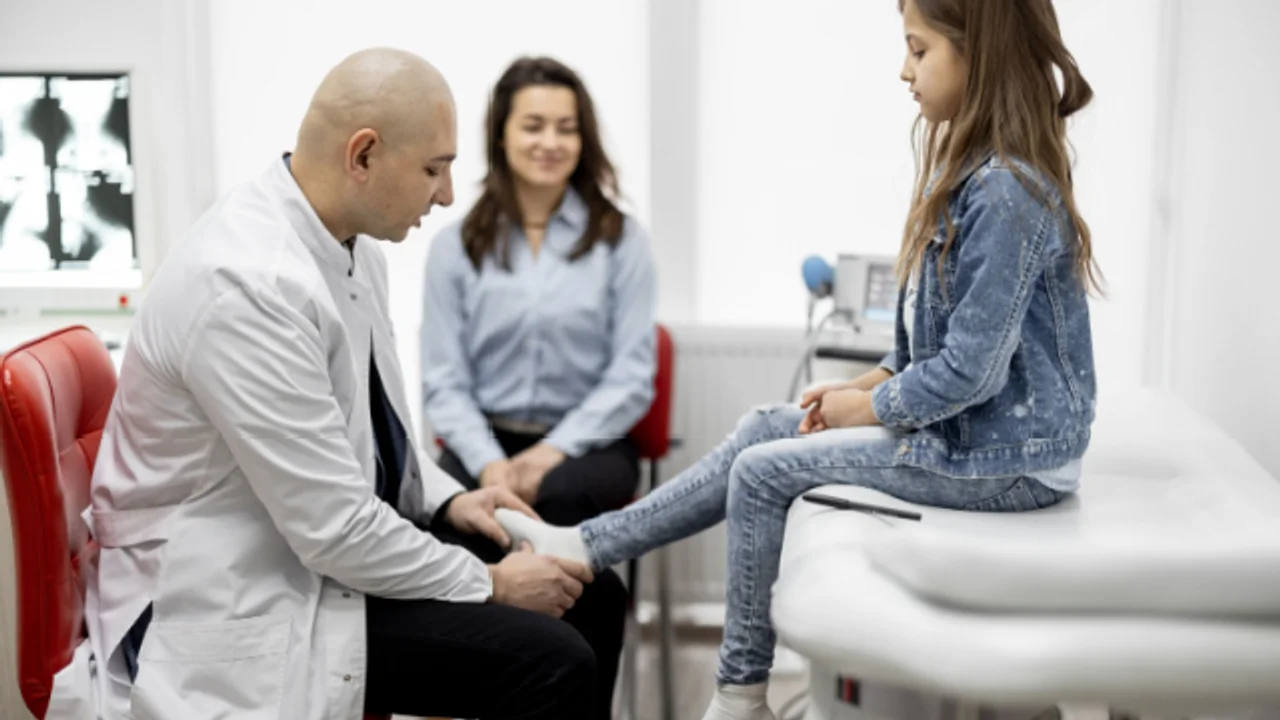
Banpo Newborn Korean Medicine Clinic occupies a distinct niche within the landscape of Advanced Proactive Non-Invasive Structural Correction in South Korea. The clinic specializes in providing individualized pediatric care that directly addresses root-cause developmental and musculoskeletal imbalances in young patients.
Rather than treating childhood structural issues with adult-centric force models, Banpo Newborn Korean Medicine Clinic utilizes proprietary, highly calibrated pediatric protocols. These methods gently guide the spine, pelvis, and lower extremities into optimal alignment while fully protecting active growth zones.
The clinic’s senior medical Expert Dr. Ungjin Im brings decades of dedicated clinical expertise in pediatric neuro-musculoskeletal development, holding active memberships in elite regional societies for pediatric orthotic analysis and constitutional medicine. By integrating advanced digital gait and posture analysis with tailored natural therapies, the clinic ensures that each child receives care precisely calibrated to their specific growth velocity and structural needs.
Conclusion
More Medical Articles
Continue reading clinical insights from Banpo Newborn Korean Medicine Clinic.

Why Seoul is the Global Hub for Minimally Invasive Vertigo Treatment
Dizziness and vertigo are among the most common reasons for hospital visits in South Korea, affecting nearly 16.7% of the adult population annually according to the Korea National Health and Nutrition Examination Survey (KNHANES).
Learn More

Tinnitus Relief in Seoul: Multidisciplinary Upper Cervical Care
For many, the sound of silence is replaced by a persistent ringing, buzzing, or hissing. In South Korea, this is more than an individual annoyance; it is a significant public health trend.
Learn More

Success Rates of SART for OPLL Compared to Standard Laminectomy in Korea
The prevalence of Ossification of the Posterior Longitudinal Ligament (OPLL) in East Asian populations, particularly in South Korea, is significantly higher than in Western countries, affecting approximately 2% to 4% of the population according to nationwide...
Learn More