SART Whole-Body Spinal Alignment, Chuna Therapy & International Patient Concierge
30+ Years Clinical Experience
en-US

Korean Medicine Guide
Pelvic Discomfort: When Should You Seek Traditional Korean Treatment?
Discover when pelvic discomfort signals the need for Traditional Korean Medicine. Learn symptoms, timing, and holistic treatment options."
Schedule a Consultation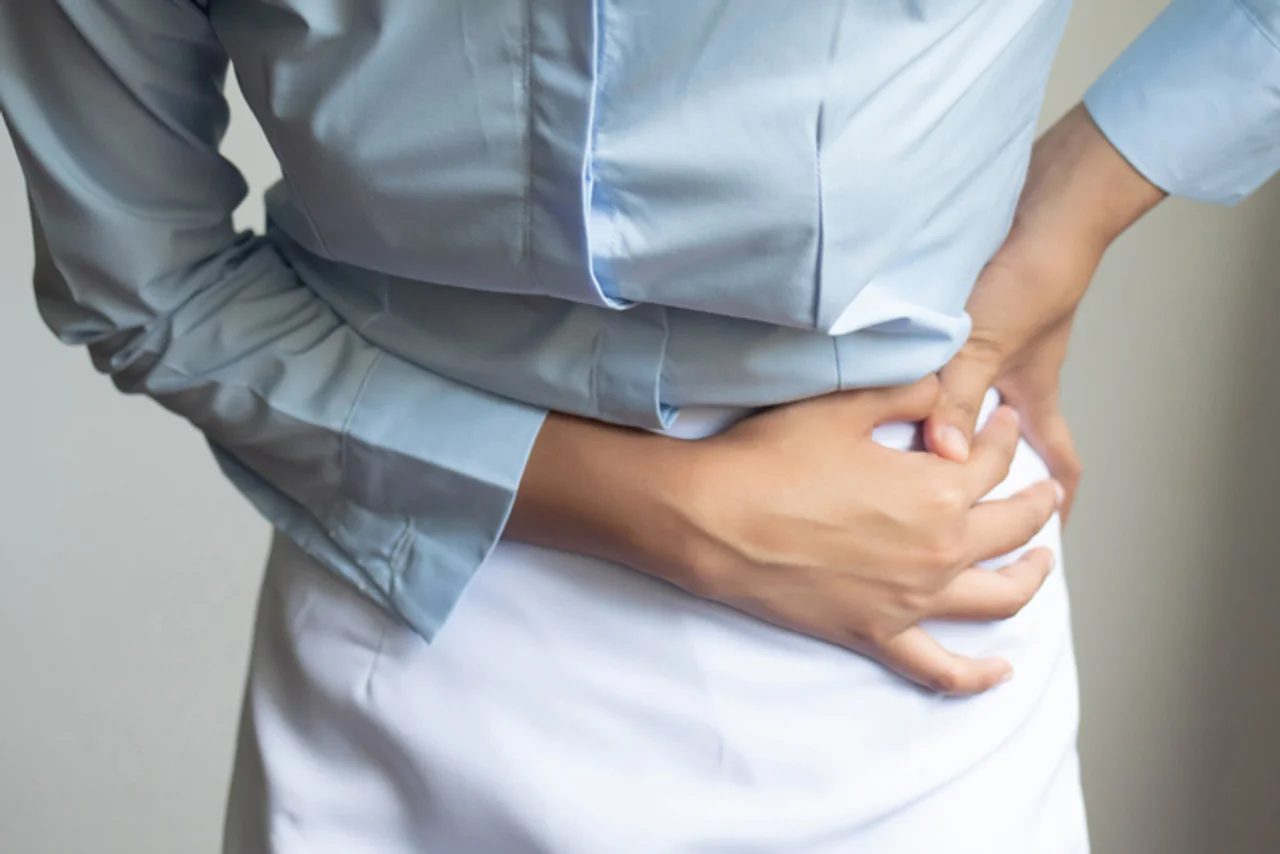
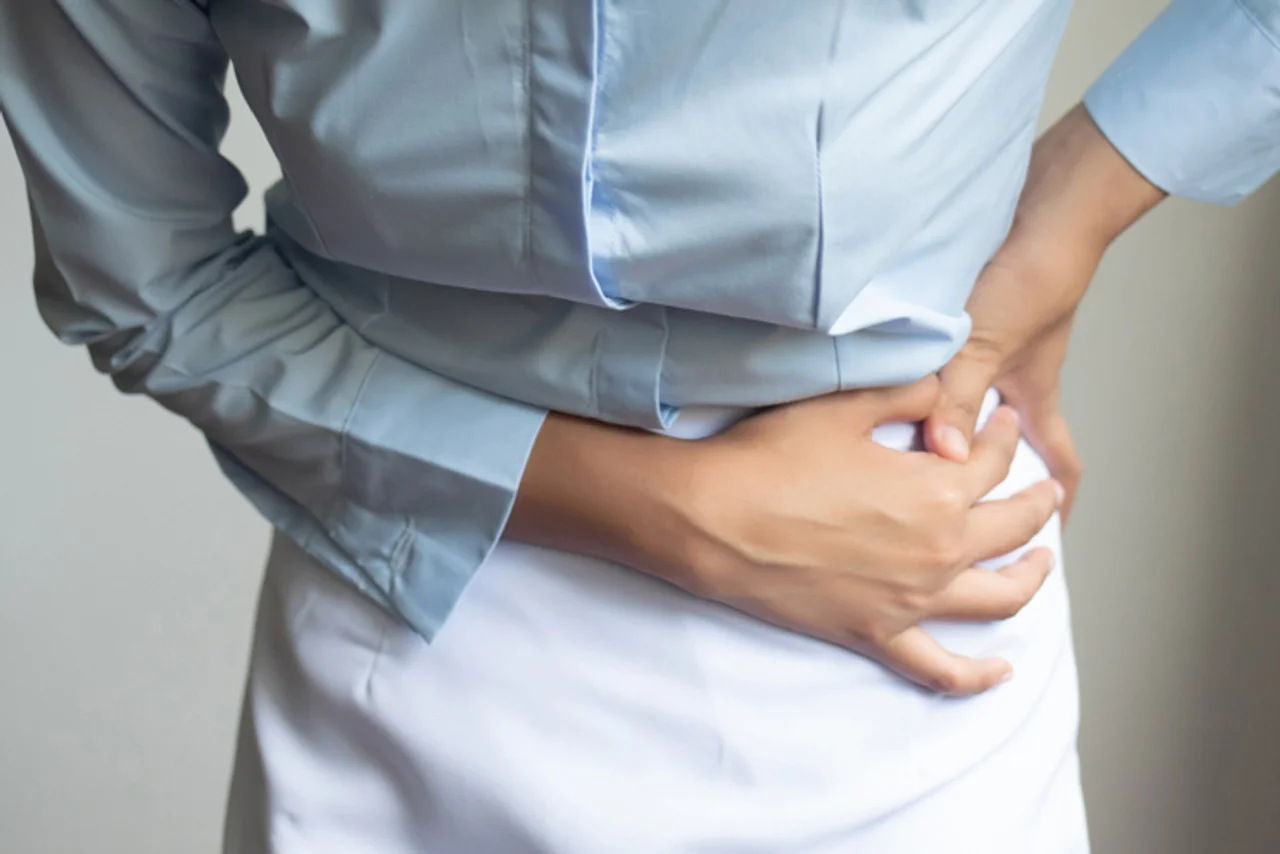
Pelvic discomfort has a way of creeping into everything: sitting through a meeting, getting out of the car, even enjoying a quiet walk. For many, it starts as a dull ache in the groin or tailbone and spreads into hip pain, Lower back pain, or vague pelvic pain that’s hard to describe but impossible to ignore. To be honest, most people try to “live with it” far longer than they should. If that sounds familiar, you’re not alone—and there’s a safe, thoughtful path forward.
At Banpo Newborn Oriental Medical Clinic in Banpo, Seoul, Dr. Ungjin Im and our team specialize in non-surgical, precision care for spine-and-pelvis problems. Our approach blends advanced manual methods—Spinal Alignment Restoration Therapy (SART), spatial spinal correction, and Chuna therapy—with acupuncture, herbal support, and simple, sustainable movement training. This article explains when pelvic discomfort deserves professional attention, what traditional Korean treatment can offer, and how our clinic guides patients toward lasting relief.
What “pelvic discomfort” really feels like
Pelvic discomfort covers a spectrum—from a heavy, pressure-like pelvic discomfort to sharp, catching pain in the hip crease. Common patterns we see:
Groin or sitting-bone ache that worsens after long sitting or driving
Hip pain with stiffness tying your shoe or getting out of the car
Lumbar pain, Backache, or Lower back pain that seems to “pull” into the pelvis
Tailbone soreness after a fall or prolonged sitting
A sense that the pelvis “isn’t level,” sometimes with leg heaviness or a limp
Because the pelvis is the body’s load-transfer hub, irritation here can ripple upward into the spine and even the neck and jaw. It’s why some patients with pelvic issues also report Neck pain, Shoulder stiffness, Headache, or Chronic Headache—the whole body compensates.
When should you seek traditional Korean treatment?
You don’t have to wait until pain is severe. Consider seeing a professional if any of the following are true:
1) Symptoms persist beyond 10–14 days
Minor strains usually settle with rest and gentle movement. If pelvic pain or hip pain keeps returning—or never fully clears—there’s likely an underlying alignment or load-sharing issue worth addressing.
2) Pain limits daily function
You’re modifying how you sit, walk, or sleep; workouts and family activities are shrinking. When pain dictates your day, it’s time for targeted help.
3) Pain pairs with spinal symptoms
Recurring Lower back pain, Herniated Disc/Disc Herniation/Slipped Disc history, or signs of Spinal Stenosis/Lumbar Spinal Stenosis suggest the pelvis and lumbar segments are sharing the problem. Integrated care is more effective than chasing one area at a time.
4) Postpartum or postural changes
After pregnancy or a period of heavy desk work, the pelvis and rib cage often shift subtly. If you notice new pelvic discomfort, hip pain, or Back pain, early alignment work prevents “small” issues from becoming chronic.
5) Recurrent sports strains
Runners, cyclists, dancers, and golfers frequently compensate around the pelvis and sacroiliac joints. If stretching hasn’t helped, the solution is usually load balance—not more stretching.
6) Associated symptoms along the kinetic chain
Jaw clenching (TMJ Disorder/TMJ Syndrome), Tinnitus, Neck stiffness/Neck ache, Shoulder pain, or asymmetries like Scoliosis or mild Torticollis/Wry Neck can travel with pelvic imbalance. A whole-body evaluation catches what isolated treatments miss.
Urgent care note: If pelvic pain appears with fever, unexplained weight loss, severe night pain, trauma, neurologic deficits, unusual bleeding, or symptoms during pregnancy, seek immediate medical evaluation. We gladly coordinate care and referrals—your safety comes first.
Why the pelvis affects everything
Think of the pelvis as the foundation of a house. If it tilts or rotates, the body above compensates: the lumbar spine twists, the rib cage shifts, the head migrates forward, and even the Temporomandibular Joint (TMJ) can tighten. Over time this can present as:
Lower back pain, Lumbar pain, and stiffness on waking
Neck pain, Neck stiffness, and Shoulder stiffness
Headache/Chronic Headache from cervical and TMJ overload
Altered gait that aggravates hip pain or sacroiliac irritation
Conversely, chronic neck or jaw problems (including TMJ Disorder) can drive protective bracing down the chain, loading the pelvis unevenly. That’s why our care at Banpo Newborn Oriental Medical Clinic addresses the pelvis–spine–rib cage–neck–TMJ sequence rather than one symptom in isolation.
How Traditional Korean Medicine helps pelvic discomfort
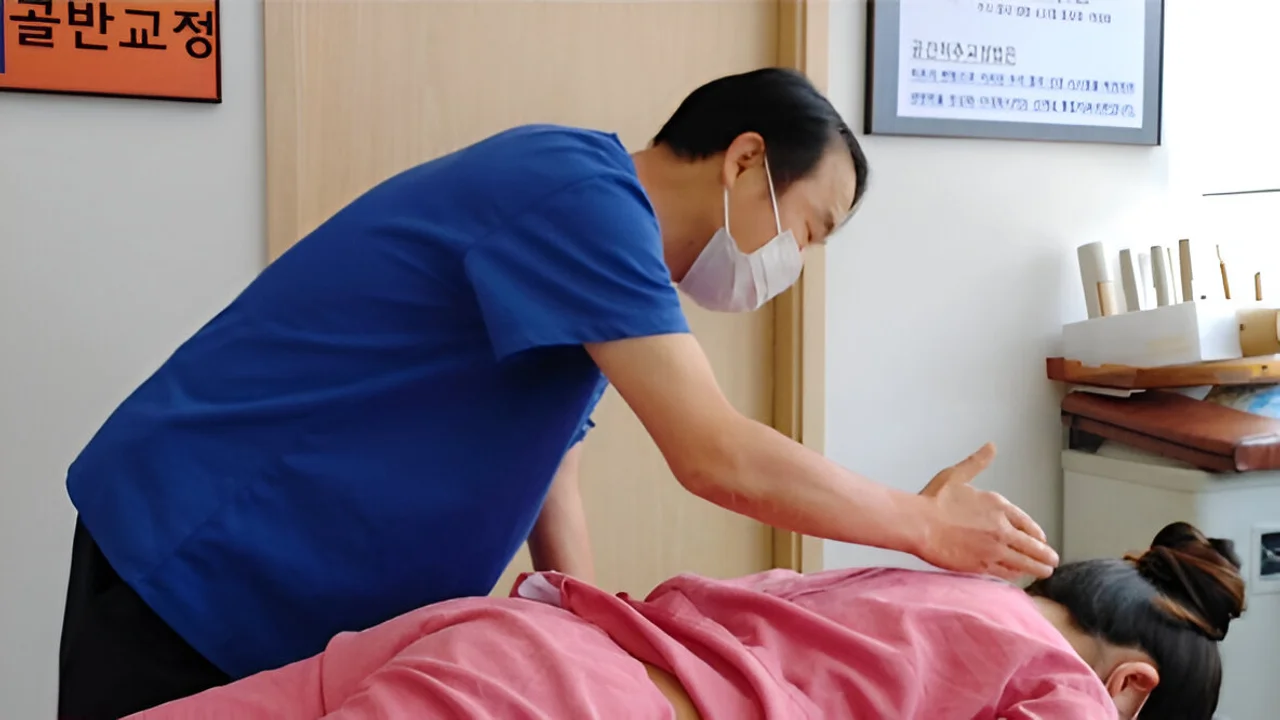
Traditional Korean Medicine (TKM) offers a comprehensive framework for musculoskeletal healing. At our clinic in Banpo, Seoul, we integrate TKM with modern biomechanical insight for precise, measurable results.
Spinal Alignment Restoration Therapy (SART)
Refined by Dr. Ungjin Im, SART is a gentle, highly specific method that restores space and balance around irritated segments. For pelvic cases, it helps:
Re-center the sacrum and ilia for even load through the hips
Decompress lumbar segments irritated by poor pelvic mechanics
Calm protective muscle overactivity that keeps you stuck in a painful pattern
Patients often describe SART as “light but powerful”—no forceful cracking, just accurate correction.
Spatial spinal correction
We correct alignment in three dimensions (front/back, side/side, rotation). Small degrees of pelvic rotation can have big consequences; matching the correction to your exact pattern is what makes changes hold.
Chuna manual therapy
Chuna is a cornerstone of Korean manual medicine. We use it to restore joint play, ease fascial tension, and normalize glide through the sacroiliac joints, hips, and lower spine. It pairs seamlessly with SART and spatial correction.
Acupuncture, moxibustion, and cupping
These methods reduce local inflammation, improve microcirculation, and calm the nervous system. For many with deep pelvic ache, acupuncture loosens stubborn guarding so alignment work “takes” more readily.
Personalized herbal support
When appropriate, targeted herbal formulas can support circulation and recovery. We keep prescriptions simple and closely matched to your presentation.
Neuromuscular re-training you can keep up with
Pain relief is step one; keeping it is the goal. We teach 2–3 precise drills that take just minutes: hip hinge, glute activation, diaphragm-led “micro-decompression” breathing, and gentle gait resets. No long routines—just the right cues at the right time.
What your first session looks like at Banpo Newborn
1) Listening & history — When did symptoms begin? What increases or eases them? Do you also experience Back pain, hip pain, or Lower back pain with longer walks? Any TMJ issues or Headache/Chronic Headache?
2) Whole-body assessment — Pelvic orientation, sacroiliac function, hip range, lumbar mobility, rib cage mechanics, foot loading, gait, and—if needed—cervical/TMJ screening.
3) Imaging review — If you have X-rays or MRI, bring them. Findings like Herniated Disc or Lumbar Spinal Stenosis often make more sense once we examine how you move.
4) First treatment — Most patients receive SART + spatial correction + Chuna manual therapy on day one, followed by acupuncture as appropriate.
5) A short home plan — Two quick drills that fit into your day (e.g., a 30-second hip hinge reset and 60 seconds of decompression breathing).
6) Clear progress markers — Sitting tolerance, stride confidence, morning stiffness, and an objective movement test so you can see change week by week.
Two patient stories
Case 1: Office professional with stubborn sitting pain
Minji, 36, reported pelvic discomfort that spiked after 20–30 minutes of sitting and a low, nagging Backache. Exam showed a right anterior pelvic rotation with limited left hip extension and a mild lumbar side-bend. After three sessions of SART and spatial correction plus two home drills, her sitting tolerance doubled. At six weeks, she could work a full morning without flares and resumed light jogging without hip pain.
Case 2: Walker with “shopping cart relief”
Mr. Park, 63, had Lumbar Spinal Stenosis with Lower back pain and pelvic pain that worsened when upright. Bending forward eased the ache. We applied gentle decompression-focused SART, Chuna mobilization of the hips, and short interval walks. By week four, he walked 25 minutes with only mild fatigue and no pelvic discomfort, a meaningful change in daily life.
Results vary; the key is matching treatment to the true driver rather than chasing symptoms.
Self-check: three quick screens you can try (pain-free range only)
Sit-to-stand symmetry
From a chair, stand up and sit down 5 times. Does one hip “grab” or does your weight shift to one side? That bias hints at pelvic rotation.Standing hip extension
Hold a counter lightly and reach one leg behind you without arching your back. Limited extension on one side often matches the painful side.Step-through gait check
Walk slowly for 30 seconds. Do your arms swing evenly? Is one step shorter? Asymmetric swing often reflects pelvic and rib cage stiffness.
If any of these provoke pain, stop and note what you feel. These observations help us tailor your plan.
Home strategies that help (and won’t flare symptoms)
More Medical Articles
Continue reading clinical insights from Banpo Newborn Korean Medicine Clinic.

Why Seoul is the Global Hub for Minimally Invasive Vertigo Treatment
Dizziness and vertigo are among the most common reasons for hospital visits in South Korea, affecting nearly 16.7% of the adult population annually according to the Korea National Health and Nutrition Examination Survey (KNHANES).
Learn More

Tinnitus Relief in Seoul: Multidisciplinary Upper Cervical Care
For many, the sound of silence is replaced by a persistent ringing, buzzing, or hissing. In South Korea, this is more than an individual annoyance; it is a significant public health trend.
Learn More

Success Rates of SART for OPLL Compared to Standard Laminectomy in Korea
The prevalence of Ossification of the Posterior Longitudinal Ligament (OPLL) in East Asian populations, particularly in South Korea, is significantly higher than in Western countries, affecting approximately 2% to 4% of the population according to nationwide...
Learn More