SART Whole-Body Spinal Alignment, Chuna Therapy & International Patient Concierge
30+ Years Clinical Experience
en-US


Korean Medicine Guide
Pelvic Pain While Sitting? Korean Medicine Offers Long-Term Relief
Pelvic pain while sitting? Discover how Korean medicine treats root causes with acupuncture and herbal therapy for long-term, drug-free relief.
Schedule a ConsultationPelvic Pain While Sitting? Korean Medicine Offers Long-Term Relief

Have you ever noticed that your pelvic discomfort worsens the moment you sit down—at your desk, in the car, or even on the sofa at home? At first, it may feel like a dull ache or pressure. Over time, it can evolve into sharp pain, numbness, or a persistent sense that “something isn’t right.” Many patients tell us they feel fine when walking or lying down, yet sitting becomes almost unbearable.
To be honest, pelvic pain while sitting is one of the most misunderstood complaints we see in the clinic. It’s often dismissed as muscle tension, stress, or “just posture.” But from decades of clinical experience at Banpo Newborn Korean Medicine Clinic, we know that sitting-related pelvic pain is rarely random. In most cases, it reflects deeper imbalances in the spine, pelvis, and nervous system—imbalances that Korean medicine is uniquely suited to address.
If you’ve been living with pelvic pain that flares up when you sit, this article is for you. Let’s explore why this happens, why conventional approaches often fall short, and how Korean medicine can offer genuine, long-term relief.
Why Does Pelvic Pain Get Worse When Sitting?
Sitting is deceptively demanding on the body. While it looks passive, it places continuous pressure on the pelvis, sacrum, and lower spine. When alignment is healthy, the body distributes this load evenly. But when something is off—even slightly—the pelvis often pays the price.
The Pelvis: More Than Just a Bone Structure
In Korean medicine, the pelvis is not viewed as an isolated structure. It is a central hub where:
The spine meets the lower body
Major nerves pass into the legs and pelvic organs
Muscles, ligaments, and fascia coordinate posture and movement
When you sit, the pelvis becomes the main weight-bearing structure. If it is tilted, rotated, or uneven, sitting compresses sensitive tissues instead of supporting the body.
Many patients are surprised to learn that pelvic pain is often secondary, not primary. In other words, the pelvis hurts because something else—usually the spine—is pulling it out of balance.
Common Hidden Causes of Pelvic Pain While Sitting

1. Pelvic Misalignment and Sacroiliac Joint Dysfunction
One of the most frequent findings we see is subtle misalignment of the pelvic bones or the sacroiliac (SI) joints. These joints connect the spine to the pelvis and play a critical role in shock absorption.
When the SI joints are restricted or uneven:
Sitting compresses one side more than the other
Muscles tighten defensively
Pain develops deep in the pelvis or buttock area
Patients often describe this as a “deep ache” or pain that feels impossible to stretch away.
2. Lumbar Spine Imbalance
The lower spine (lumbar region) and pelvis function as a single unit. If the lumbar vertebrae are misaligned—even by a few millimeters—the pelvis compensates.
Over time, this compensation leads to:
Uneven sitting pressure
Muscle fatigue
Nerve irritation that worsens with prolonged sitting
From Dr. Ungjin Im’s perspective, treating pelvic pain without evaluating lumbar alignment is like fixing a door without checking the frame.
3. Pudendal or Pelvic Nerve Irritation
Some patients experience burning, tingling, or sharp pelvic pain that intensifies while sitting. In many of these cases, the issue is nerve compression rather than muscle strain.
Nerves passing through the pelvis can become irritated when:
Pelvic muscles are chronically tight
Spinal alignment narrows nerve pathways
Postural imbalance persists for years
In Korean medicine, nerve pain is often understood as a stagnation of circulation and nerve flow—something that requires structural correction, not just symptom relief.
4. Chronic Muscle Guarding and Fascial Tension
When the body senses instability, it protects itself by tightening muscles. Over months or years, this protective tension becomes chronic.
The problem? Tight muscles reduce blood flow, increase nerve sensitivity, and make sitting increasingly uncomfortable. Stretching alone rarely resolves this, because the underlying cause—structural imbalance—remains.
Why Many Treatments Only Offer Temporary Relief
Many patients arrive at our clinic feeling discouraged. They’ve tried painkillers, physical therapy, injections, or even surgeries, yet the pain returns whenever they sit.
This happens because most conventional treatments focus on where the pain is felt, not why it developed.
Pain medication masks symptoms but does not correct alignment
Local injections reduce inflammation temporarily
Generic exercises may strengthen muscles without restoring balance
From a Korean medicine perspective, this is like repeatedly wiping up water without fixing the leak. True recovery requires restoring harmony between the spine, pelvis, muscles, and nervous system.
The Korean Medicine Perspective: Treating the Root, Not the Symptom
Korean medicine takes a holistic view of pelvic pain. Rather than isolating one painful area, we assess the body as an interconnected system.
At Banpo Newborn Korean Medicine Clinic, our evaluation typically includes:
Full spinal and pelvic alignment analysis
Postural and gait assessment
Functional testing during sitting, standing, and movement
Careful listening to how pain changes with daily activities
To be honest, many people don’t realize how much of their pelvic discomfort originates from the spine. Once this connection becomes clear, the path to long-term relief often opens.
Spinal Alignment Restoration Therapy (SART): A Core Solution
One of the most distinctive approaches at our clinic is Spinal Alignment Restoration Therapy (SART), developed through Dr. Im’s decades of clinical practice.
What Makes SART Different?
Unlike forceful manipulations or generalized adjustments, SART focuses on:
Precise, non-invasive correction
Spatial relationships between vertebrae and pelvic bones
Gradual restoration of natural alignment
Think of your spine and pelvis as the foundation of a house. If the foundation tilts, no amount of patchwork will stabilize the structure. SART aims to gently but effectively reset that foundation.
How SART Helps Pelvic Pain While Sitting
Patients with sitting-related pelvic pain often notice:
Reduced pressure on one side of the pelvis
Improved sitting tolerance without constant shifting
Gradual easing of nerve-related pain
Importantly, improvements tend to be progressive and lasting, not short-lived.
Chuna Therapy: Restoring Balance Through Hands-On Care
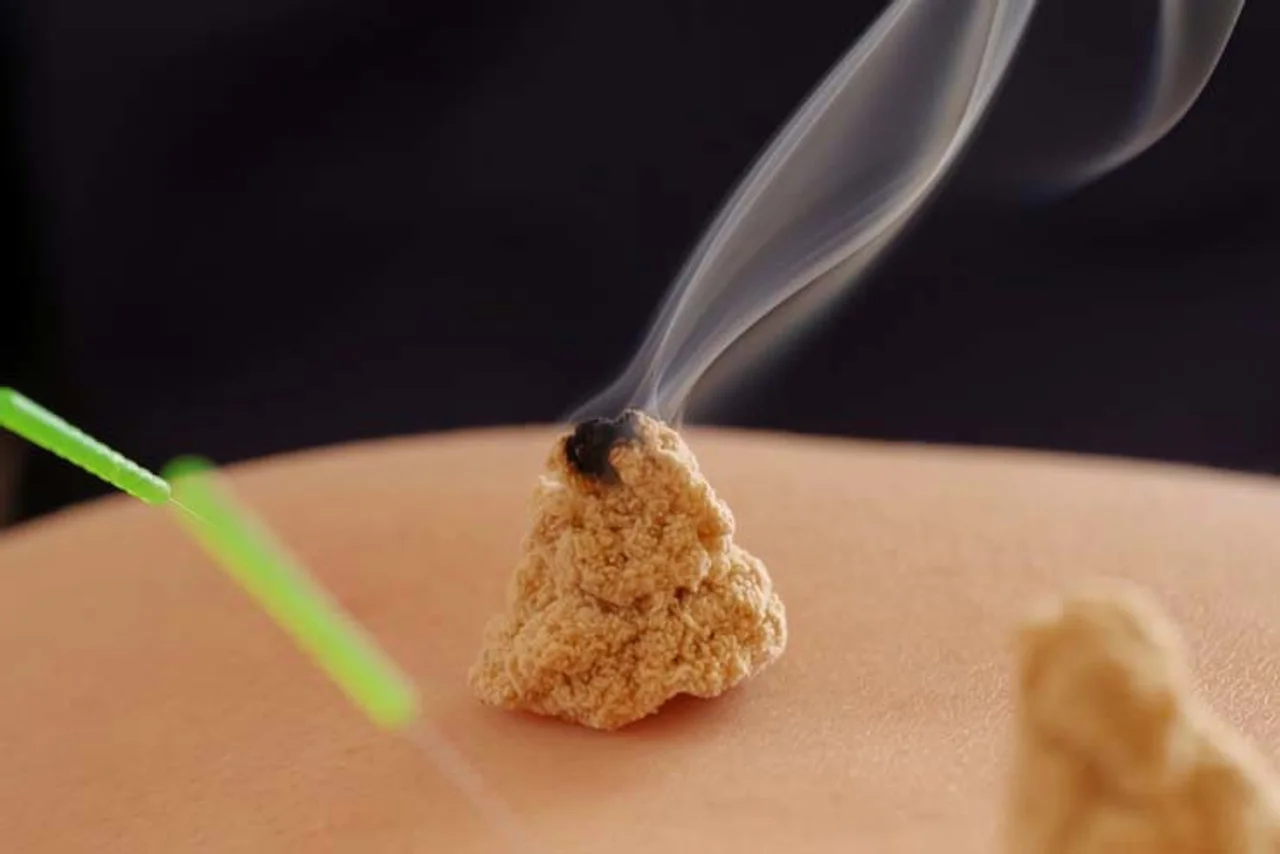
Another cornerstone of Korean medicine is Chuna therapy, a manual treatment recognized for its effectiveness in musculoskeletal disorders.
Chuna therapy works by:
Releasing restricted joints
Relaxing overactive muscles
Improving circulation to compressed tissues
When combined with SART, Chuna therapy helps the body adapt to its corrected alignment, reducing the likelihood of pain returning.
Patients often describe Chuna sessions as both therapeutic and reassuring—firm yet gentle, corrective yet calming.
The Emotional Side of Chronic Pelvic Pain
Pelvic pain is not just physical. Many patients quietly carry emotional stress, frustration, and even fear—especially when pain interferes with work or daily life.
Sitting pain can:
Limit productivity at the office
Make commuting stressful
Create anxiety about long meetings or travel
Korean medicine acknowledges this mind-body connection. By improving circulation, nervous system balance, and structural stability, treatment often brings emotional relief alongside physical improvement.
As one patient shared, “Once I could sit without pain, I realized how tense I had been for years.”
What Recovery Really Looks Like
Healing pelvic pain while sitting is rarely instantaneous. However, with proper care, it is absolutely achievable.
A realistic recovery process includes:
Gradual reduction in pain intensity
Increased sitting tolerance over weeks
Improved posture awareness
Long-term stability rather than repeated flare-ups
At Banpo Newborn Korean Medicine Clinic, treatments are always one-on-one and personalized. No two spines—or lives—are the same.
Who Should Consider Korean Medicine for Pelvic Pain?
You may be a good candidate if:
Your pelvic pain worsens specifically when sitting
Imaging tests show “nothing serious,” yet pain persists
Treatments so far have provided only temporary relief
You want a non-surgical, holistic approach
Whether your pain began after long hours at a desk, childbirth, injury, or seemingly without cause, Korean medicine offers a framework for understanding why your body is reacting this way.
A Final Word from Banpo Newborn Korean Medicine Clinic
If you’ve been living with pelvic pain while sitting, it’s easy to feel stuck. But you’re not alone—and your pain is not “all in your head.”
From our experience spanning over 30 years, sitting-related pelvic pain often improves dramatically once spinal and pelvic alignment are properly restored. The body has an incredible capacity to heal when given the right conditions.
If you’re considering a comprehensive evaluation, Banpo Newborn Korean Medicine Clinic offers careful diagnosis, non-invasive correction, and patient-centered care rooted in Korean medicine principles.
Sometimes, the path to relief begins not with fighting the pain—but with understanding what your body has been trying to tell you all along.
More Medical Articles
Continue reading clinical insights from Banpo Newborn Korean Medicine Clinic.

Why Seoul is the Global Hub for Minimally Invasive Vertigo Treatment
Dizziness and vertigo are among the most common reasons for hospital visits in South Korea, affecting nearly 16.7% of the adult population annually according to the Korea National Health and Nutrition Examination Survey (KNHANES).
Learn More

Tinnitus Relief in Seoul: Multidisciplinary Upper Cervical Care
For many, the sound of silence is replaced by a persistent ringing, buzzing, or hissing. In South Korea, this is more than an individual annoyance; it is a significant public health trend.
Learn More

Success Rates of SART for OPLL Compared to Standard Laminectomy in Korea
The prevalence of Ossification of the Posterior Longitudinal Ligament (OPLL) in East Asian populations, particularly in South Korea, is significantly higher than in Western countries, affecting approximately 2% to 4% of the population according to nationwide...
Learn More