SART Whole-Body Spinal Alignment, Chuna Therapy & International Patient Concierge
30+ Years Clinical Experience
en-US

Korean Medicine Guide
Postpartum Hip Pain? Oriental Medicine Has a Gentle Solution
Discover gentle Oriental medicine treatments for postpartum hip pain. Natural healing, balance, and lasting relief for new mothers.
Schedule a Consultation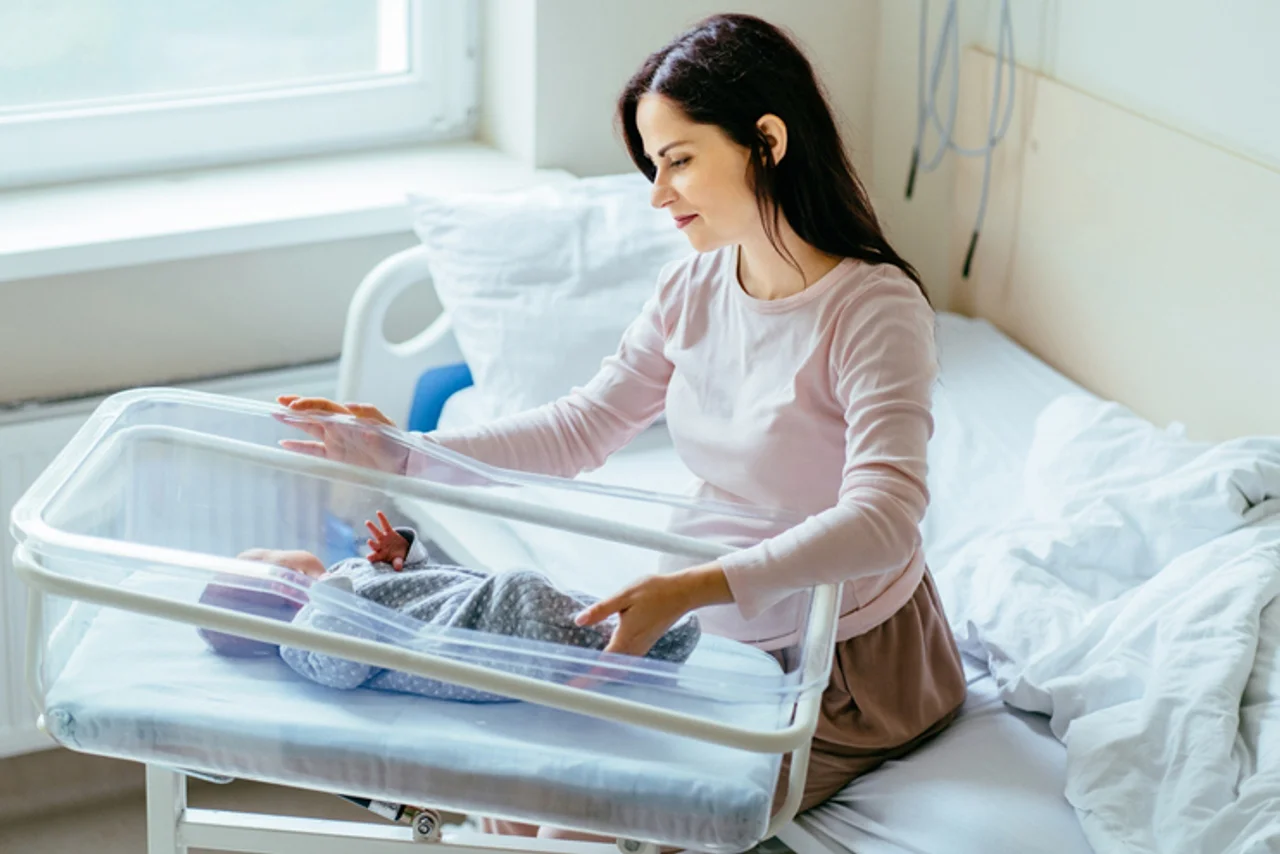
Why Your Hips Still Hurt After Birth
If you’re weeks or months after delivery and your hips still ache, you’re not alone. Many new parents tell us, “I thought the pain would vanish after birth, but it lingers—especially when I stand, nurse, climb stairs, or carry the baby.” At Banpo Newborn Oriental Medical Clinic in Banpo, Seoul, we approach postpartum hip pain with respect and gentleness. Our goal is simple: help you move, feed, and rest comfortably—without surgery or harsh interventions.
To be honest, most people underestimate how much pregnancy and delivery reshape the body’s mechanics. Hormonal changes loosen the pelvic ring; abdominal and pelvic floor muscles adapt; the rib cage and diaphragm shift; sleep and feeding positions add new strain. The result can be hip pain, pelvic pain, pelvic discomfort, lower back pain, and even lumbar pain that make early parenthood harder than it needs to be. Neck and shoulder tension from holding and feeding can add neck stiffness, shoulder stiffness, and backache to the picture.
What Counts as “Postpartum Hip Pain”? (Plain‑Language Guide)
“Hip” pain can refer to several different generators. Sorting them cleanly is the first step toward the right solution.
Sacroiliac joint (SIJ) irritation
Dull, sometimes sharp ache near the back dimples. Worse with standing on one leg, rolling in bed, or lifting the stroller. A common source of pelvic pain.Pubic symphysis stress
Front‑of‑pelvis pain or clicking when walking, turning in bed, or stepping wide. Often tender to the touch.Greater trochanter / gluteal tendinopathy
Side‑of‑hip ache that’s worse after long walks, stair climbing, or sleeping on that side.Labral irritation / hip impingement
Groin pain with deep bending, squatting, or carrying the baby perched on one hip.Piriformis / deep external rotator spasm
Buttock pain with occasional leg tingling. Sometimes overlaps with lumbar sources.Referred lumbar segmental pain
Lower back pain that radiates toward the hip due to sensitized facet joints or a mild herniated disc/disc herniation.
You might also notice companion symptoms: neck ache from late‑night feeds, frozen shoulder‑like tightness, or TMJ clenching that worsens headaches.
Postpartum pain is common, but it’s not your “new normal.” With the right plan, most people improve steadily over weeks to months.
Why It Happens: Clear, Compassionate Anatomy
Hormones & laxity
Pregnancy hormones increase laxity in the ligaments stabilizing the pelvic ring (SIJ and pubic symphysis). After delivery, some laxity persists—especially while breastfeeding—making joints more sensitive to asymmetry and load.Core & pelvic floor coordination
The abdominal wall and pelvic floor stretch to accommodate pregnancy and delivery. If they don’t coordinate well afterward, the pelvis can tilt or shear, driving pelvic discomfort and hip pain.Diaphragm & rib cage mechanics
The diaphragm rides higher in late pregnancy; postpartum, many continue shallow breathing that elevates neck and back tone. Restoring 3‑D rib motion lowers the whole system’s “guarding.”Daily load & one‑sided habits
Rocking, nursing, babywearing, and car‑seat lifting create repetitive stress—often by twisting in one favored direction or perching the baby on the same hip.Preexisting patterns
Old ankle sprains, scoliosis, mild disc herniation, or TMJ disorder can bias the body’s alignment and resurface under postpartum demands.
Our Gentle, Non‑Surgical Solution (Led by Dr. Ungjin Im)
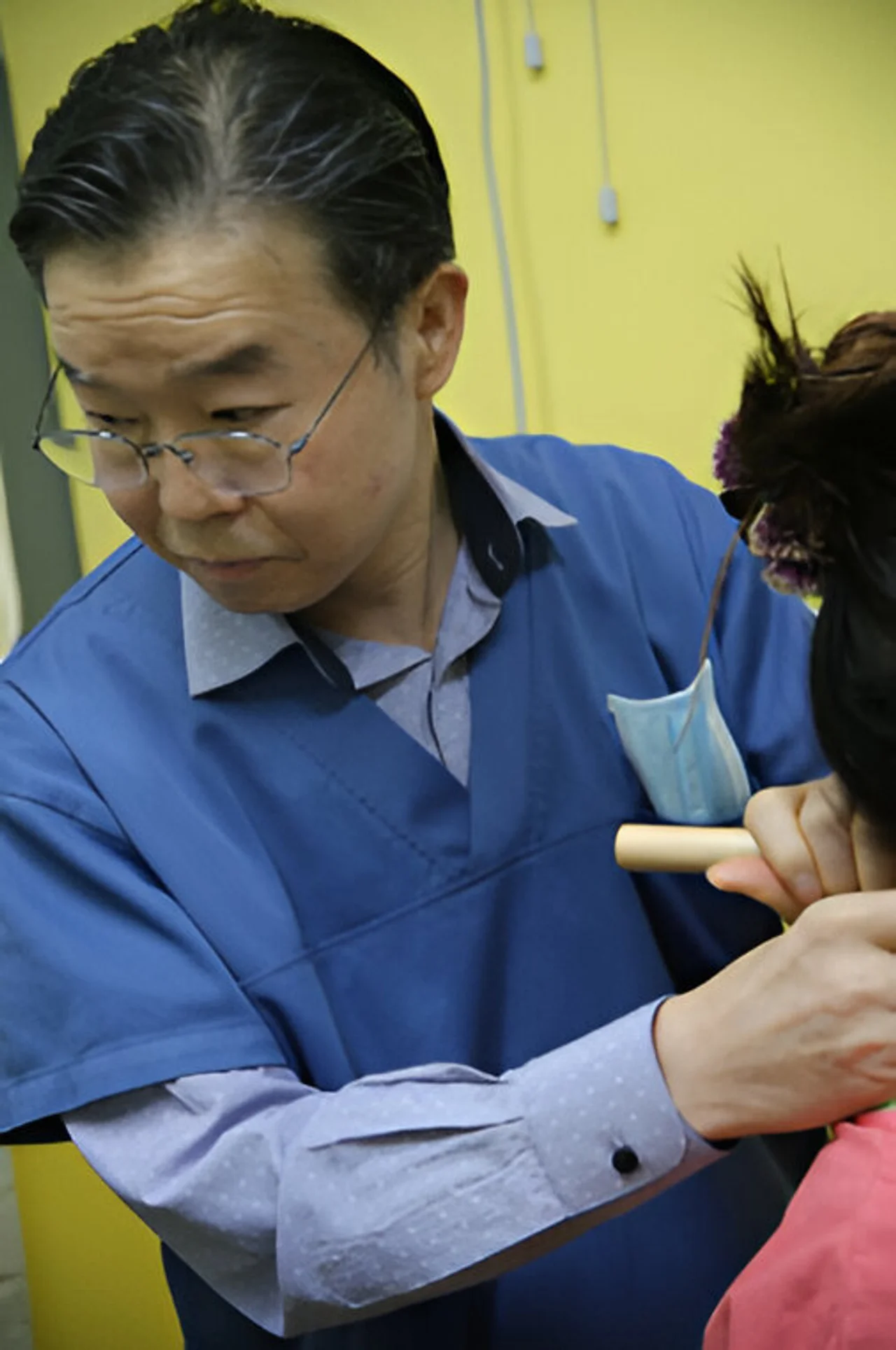
At Banpo Newborn, Dr. Ungjin Im leads a program blending Korean medicine with modern biomechanics. Our pillars are low‑force, precise, and breastfeeding‑aware.
1) Spinal Alignment Restoration Therapy (SART)
Developed by Dr. Im, SART uses vector‑specific, low‑force corrections to level the pelvis and balance the spine. Think of it as resetting a building’s foundation so every floor above sits evenly. For postpartum hips, we focus on:
Pelvic leveling (innominate rotation, sacral nutation/counternutation)
Lumbar decompression for lumbar pain and lower back pain
Rib‑cage mobility to restore diaphragmatic, 3‑D breathing
Cervical‑thoracic balance so the neck and shoulders stop overworking
Patients describe SART as “subtle but powerful”—you feel lighter and more symmetrical rather than “pushed around.”
2) Chuna Therapy (Korean Manual Therapy)
Chuna therapy is gentle manual care that restores joint glide and reduces protective muscle guarding. We mobilize the SI joints, pubic symphysis, and hips with rhythmic, comfortable techniques—suited for the sensitivity common after birth. Chuna also helps related issues like shoulder pain, shoulder stiffness, frozen shoulder, and upper‑back tightness from feeding.
3) Acupuncture
Targeted acupuncture calms pain pathways, reduces inflammation, and eases deep muscle tension. Many parents report better sleep and faster pain relief when acupuncture is included. It pairs beautifully with SART and Chuna.
4) Herbal Medicine (Breastfeeding‑Aware)
We design conservative herbal formulas compatible with postpartum needs. The intent is to support circulation, tissue recovery, and stress regulation. If you’re breastfeeding, we select gentle options and, when appropriate, coordinate with your pediatrician.
5) TMJ & Neck Care—Because It Affects the Pelvis
It surprises many, but jaw and neck tension can feed pelvic imbalance. Clenching raises baseline muscle tone through the body’s chains, aggravating backache and SIJ strain. We integrate TMJ‑aware methods to soften the neck, which often reduces hip guarding and improves walking tolerance.
6) Targeted Rehabilitation
We teach simple, repeatable drills that fit into nap‑length windows—small actions that add up:
Breath‑first resets to down‑regulate the nervous system
Glute‑medius activation for pelvic stability
Adductor co‑activation to support the pubic symphysis
Foot tripod & weight‑shift practice for pain‑free walking
Gentle posterior‑chain support so the back doesn’t overcompensate
Your First Visit: What to Expect
Story & goals
We listen—to your birth experience, feeding setup, daily pain patterns, and what you need most (sleep, walking, stairs, floor play).Movement screen
Gait, pelvic alignment, rib motion, and breath are assessed. We also check for red flags that need medical referral before any manual work.Initial treatment
Most patients begin with SART and Chuna, plus acupuncture if desired. You should feel supported, not stretched or forced.Home start kit
You’ll leave with a 5–10 minute routine and ergonomic tips for baby care. We’ll pace it to your energy and healing.
The “Gentle Solution” Home Routine (5–10 Minutes)
Safety note: If you develop fever, calf swelling, sudden shortness of breath, new numbness/weakness, or severe worsening pain, seek immediate medical care.
Rib‑Cage Breathing (2 minutes)
Lie on your back with knees supported. Inhale through the nose, expanding the side/back ribs; exhale slowly as the ribs melt down. 6–8 cycles.Pelvic Ring Hug (1 minute)
Place your hands on the sides of your pelvis; gently draw them toward midline as you exhale. Feel the lower belly turn on. 6–8 reps.Side‑Lying Clamshell (1–2 minutes)
Hips stacked, feet together. Exhale to lift the top knee a few centimeters without rolling the pelvis. 8–10 reps per side.Adductor Squeeze (1 minute)
Place a soft ball or pillow between knees; exhale and gently squeeze, keeping ribs heavy. 6–8 reps.Supported Sit‑to‑Stand (1–2 minutes)
Feet hip‑width, weight into heels. Exhale on effort as you stand, keeping your ribs quiet. 6–8 reps.Stroller Hinge (30–60 seconds)
Practice a small hip hinge with hands on the stroller handle, spine long. This becomes your template for baby‑care lifting.
Repeat 1–2 times daily as comfort allows. If pain increases, reduce range and volume, and bring notes to your next session.
Smart Ergonomics for Baby Care (Real‑World Tips)
Feeding posture
Use pillows so your arms rest while the baby’s weight is supported. Keep both feet grounded and pelvis level. Switch sides regularly.Carry symmetry
Alternate sides when holding the baby; consider a front‑carrier for longer walks. Avoid parking the baby on one hip for long stretches.Car seat strategy
Bring the seat to you; avoid reaching and twisting deep into the car. Load with a hip hinge rather than a back bend.Diaper‑change setup
Raise the surface to near‑elbow height. Keep essentials within arm’s reach to avoid repeated twisting.Floor play
Sit on a low stool or use side‑lying to avoid deep hip flexion or W‑sitting that can irritate the groin.Stairs
Lead with the less painful side when going up; step‑to pattern is fine at first. Use the rail and exhale on effort.
Do Pelvic Belts Help?
A well‑fitted pelvic belt can be a short‑term aide for SIJ or pubic symphysis pain by providing gentle compression. We’ll teach when and how to use it—and when to transition off as your muscles resume their stabilizing role. Belts are most useful during longer walks or grocery runs, then phased out as stability improves.
C‑Section, Vaginal Birth, and Twins: Does the Plan Change?
More Medical Articles
Continue reading clinical insights from Banpo Newborn Korean Medicine Clinic.

Why Seoul is the Global Hub for Minimally Invasive Vertigo Treatment
Dizziness and vertigo are among the most common reasons for hospital visits in South Korea, affecting nearly 16.7% of the adult population annually according to the Korea National Health and Nutrition Examination Survey (KNHANES).
Learn More

Tinnitus Relief in Seoul: Multidisciplinary Upper Cervical Care
For many, the sound of silence is replaced by a persistent ringing, buzzing, or hissing. In South Korea, this is more than an individual annoyance; it is a significant public health trend.
Learn More

Success Rates of SART for OPLL Compared to Standard Laminectomy in Korea
The prevalence of Ossification of the Posterior Longitudinal Ligament (OPLL) in East Asian populations, particularly in South Korea, is significantly higher than in Western countries, affecting approximately 2% to 4% of the population according to nationwide...
Learn More