SART Whole-Body Spinal Alignment, Chuna Therapy & International Patient Concierge
30+ Years Clinical Experience
en-US

Korean Medicine Guide
Scoliosis in Teens: Warning Signs to Watch for in School-Age Children
Learn the early warning signs of scoliosis in teens. Dr. Im Ungjin at Banpo Newborn Korean Medicine Clinic in Seocho-gu, Seoul offers holistic care.
Schedule a Consultation
Introduction: Why Teen Scoliosis Needs Early Detection
Scoliosis is often thought of as a condition that only affects adults, but in reality, it most commonly begins during the teenage years. This sideways curvature of the spine can start subtly — a slightly uneven shoulder, a tilted hip, or clothes that don’t hang quite right. For busy parents, these early signs may go unnoticed until the curve becomes more pronounced.
Left untreated, scoliosis can affect not just posture but also a teen’s confidence, physical comfort, and long-term health. At Banpo Newborn Korean Medicine Clinic in Seocho-gu, Seoul, Dr. Im Ungjin provides a holistic, non-invasive approach to scoliosis that emphasizes early detection, natural therapies, and healthy growth during adolescence.
This article explains what parents need to know about scoliosis, the warning signs to watch for, and how Korean medicine offers safe, effective solutions.
Understanding Scoliosis in Teens
What Is Scoliosis?
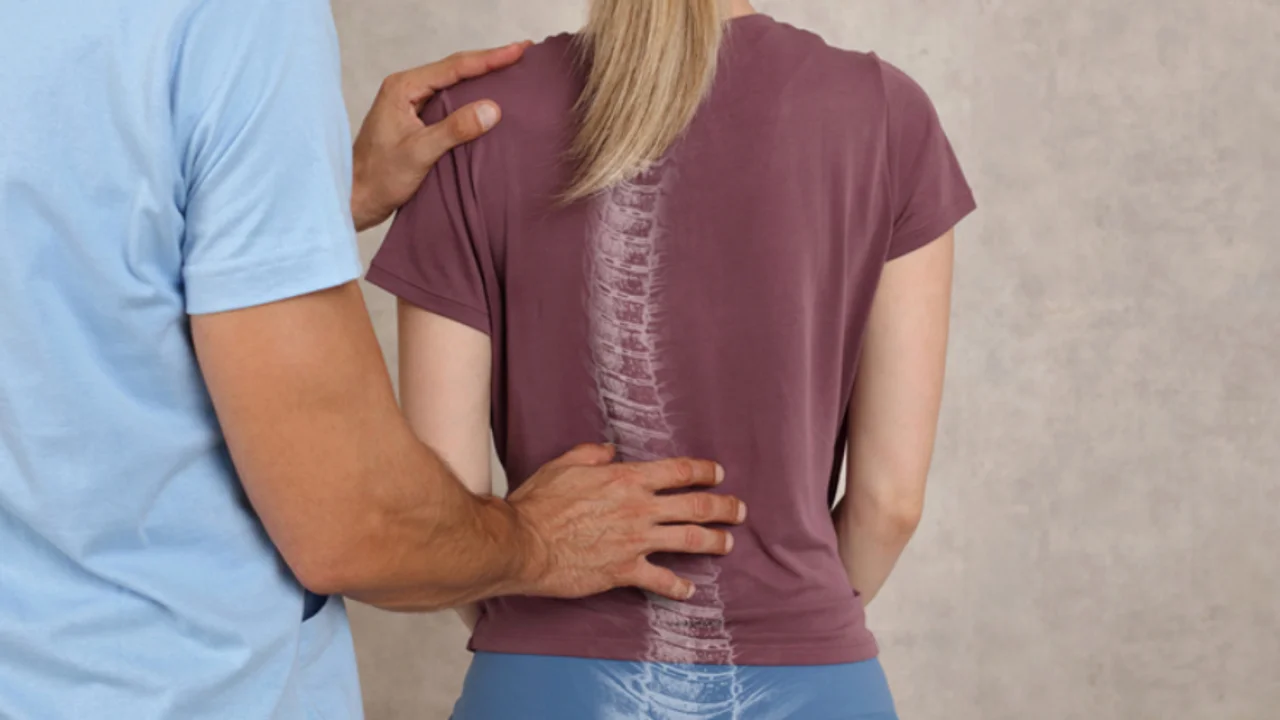
Scoliosis is defined as an abnormal lateral curvature of the spine, often forming an “S” or “C” shape when viewed from behind. It is measured using the Cobb angle, a diagnostic tool based on X-ray imaging.
Mild scoliosis: Cobb angle of 10–20°
Moderate scoliosis: Cobb angle of 20–40°
Severe scoliosis: Cobb angle greater than 40°
Types of Scoliosis
Idiopathic scoliosis – The most common type in teens; cause remains unknown but may involve genetics, posture, or growth patterns.
Congenital scoliosis – Present at birth due to spinal malformations.
Neuromuscular scoliosis – Associated with neuromuscular conditions such as cerebral palsy.
Postural or functional scoliosis – Caused by poor posture, uneven leg length, or muscle imbalance, often reversible with therapy.
Why Adolescents Are at Risk
During growth spurts (ages 10–16), bones grow rapidly, and if muscles or posture don’t keep up, the risk of developing scoliosis increases. This makes regular screening during school years essential.
Warning Signs to Watch For in Teens
Parents should look for these visible and physical signs:
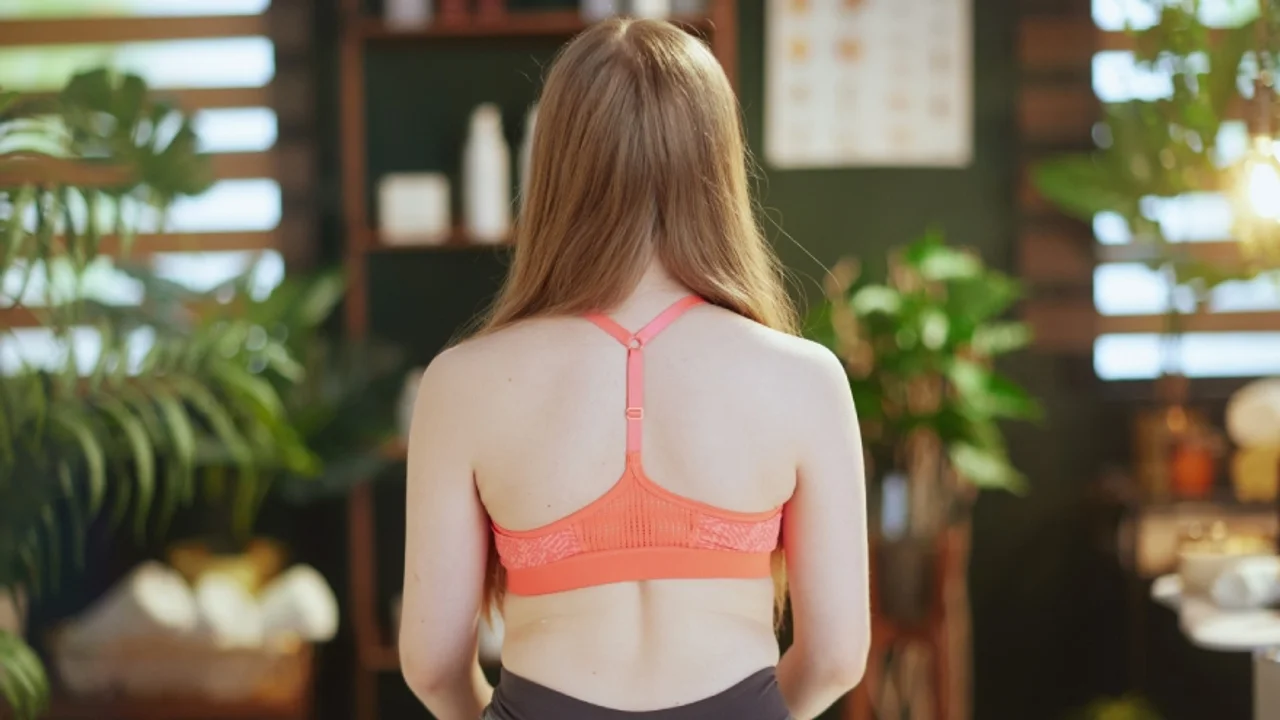
Uneven shoulders, with one sitting higher.
A shoulder blade that protrudes more on one side.
Uneven hips or waistline.
Clothes that hang unevenly.
A noticeable lean to one side.
Head not aligned with the pelvis.
Back pain after school or sports.
Fatigue when sitting or standing for long periods.
At-Home Screening: The Forward Bend Test
Ask your child to bend forward with arms hanging loosely. If one side of the rib cage or lower back appears higher, it may indicate scoliosis.
The Physical and Emotional Impact of Scoliosis
Physical Challenges
Back, shoulder, or hip pain.
Reduced range of motion.
Poor posture and balance issues.
Difficulty with sports and physical activities.
Emotional and Social Effects
Teens are particularly sensitive to appearance changes. Uneven posture or the need for braces can affect self-confidence, leading to anxiety or social withdrawal.
Long-Term Risks if Untreated
Progression of spinal curvature.
Chronic back pain in adulthood.
Potential breathing difficulties in severe cases due to restricted lung capacity.
Why Conventional Treatments Aren’t Always Enough
Traditional Western treatments for scoliosis include:
Observation – Monitoring mild cases for progression.
Bracing – Used in moderate cases to prevent curve worsening.
Surgery – Reserved for severe cases but invasive and with long recovery.
While these methods can be effective, they don’t always address underlying muscular imbalances or posture habits. Many teens also struggle with the physical and emotional burden of braces or surgery.
Korean Medicine’s Holistic Approach to Scoliosis
In Korean medicine, scoliosis is viewed not only as a structural issue but also as a whole-body imbalance. Misalignment disrupts the smooth flow of Qi (energy) and blood, leading to pain, stiffness, and delayed healing.
Dr. Im Ungjin at Banpo Newborn Oriental Medical Clinic integrates Korean medicine techniques with modern musculoskeletal knowledge to provide:
Natural, safe therapies for growing children.
Posture correction and spinal alignment support.
Whole-body balance for improved resilience and long-term health.
Treatments Offered at Banpo Newborn Korean Medicine Clinic

1. Acupuncture
Acupuncture stimulates key points along the spine, hips, and shoulders to:
Relieve pain and stiffness.
Relax tight muscles contributing to curvature.
Improve blood circulation and nerve function.
Support natural spinal realignment.
2. Herbal Medicine
Personalized herbal prescriptions help:
Strengthen bones and ligaments.
Improve muscle resilience.
Reduce inflammation.
Support healthy adolescent growth.
3. Spinal Alignment Therapy
Gentle manual therapies restore balance by:
Correcting posture deviations.
Relieving pressure on misaligned joints.
Enhancing flexibility and core strength.
4. Cupping and Moxibustion
Cupping reduces muscle tightness and improves circulation.
Moxibustion uses gentle heat to stimulate blood flow and support healing.
5. Lifestyle and Exercise Programs
School-friendly stretching routines.
Ergonomic guidance for study and computer use.
Breathing and posture exercises for lung and spinal health.
Supporting Teens with Scoliosis: The Parent’s Role
At Home
Monitor posture regularly.
Encourage short breaks from sitting every 30–45 minutes.
Provide ergonomic study setups.
Support participation in posture-friendly activities like swimming or yoga.
Nutrition for Spine Health
Calcium and Vitamin D – Strong bone development.
Protein – Muscle growth and repair.
Magnesium – Supports nerve and muscle function.
Emotional Support
Encourage open communication.
Reassure your teen that scoliosis can be managed.
Emphasize strengths in sports, arts, or academics to maintain confidence.
Patient Success Stories
Case Study 1: Early Detection, Lasting Results
A 13-year-old girl was diagnosed with a mild 15° curve. Through acupuncture, spinal therapy, and posture training, her curvature stabilized, and she avoided the need for bracing.
Case Study 2: Athletic Teen with Moderate Scoliosis
A 16-year-old boy experienced pain while playing basketball. With herbal medicine, cupping, and alignment therapy, his pain resolved, and he continued sports without restriction.
Case Study 3: Study-Related Postural Scoliosis
A 14-year-old student developed postural scoliosis due to long study hours. Ergonomic corrections, lifestyle guidance, and regular acupuncture improved posture significantly in six months.
Case Study 4: Emotional Recovery Alongside Physical Care
A teenage girl who felt self-conscious about uneven shoulders regained both posture and self-confidence through holistic treatment with Dr. Im Ungjin.
FAQs on Teen Scoliosis
Can scoliosis correct itself during growth?
Mild scoliosis may improve, but monitoring and supportive care are important.Is acupuncture safe for teenagers?
Yes, acupuncture is safe, gentle, and tailored to the child’s age and condition.Can Korean medicine replace braces or surgery?
In mild and functional scoliosis, yes. In moderate to severe cases, it works best as a complement.How often should teens be screened?
Annually during ages 10–16, especially during growth spurts.What sports are safe for teens with scoliosis?
Swimming, yoga, and core-strengthening exercises are highly recommended.Will scoliosis get worse with age?
Without treatment, scoliosis can progress, especially during puberty.Does Korean medicine improve posture even without scoliosis?
Yes, therapies strengthen muscles and promote healthier alignment in all teens.
Conclusion: Holistic Care for a Healthier Future
Scoliosis in teens is not just about posture — it affects physical comfort, emotional health, and future well-being. The earlier it is detected, the better the outcomes.
At Banpo Newborn Oriental Medical Clinic in Seocho-gu, Seoul, Dr. Im Ungjin offers natural, non-invasive, and holistic scoliosis treatments that support growth, improve posture, and help teens thrive.
If your child shows warning signs of scoliosis, don’t wait. With Korean medicine, you can help them achieve balance, strength, and confidence — now and into adulthood.
More Medical Articles
Continue reading clinical insights from Banpo Newborn Korean Medicine Clinic.

Why Seoul is the Global Hub for Minimally Invasive Vertigo Treatment
Dizziness and vertigo are among the most common reasons for hospital visits in South Korea, affecting nearly 16.7% of the adult population annually according to the Korea National Health and Nutrition Examination Survey (KNHANES).
Learn More

Tinnitus Relief in Seoul: Multidisciplinary Upper Cervical Care
For many, the sound of silence is replaced by a persistent ringing, buzzing, or hissing. In South Korea, this is more than an individual annoyance; it is a significant public health trend.
Learn More

Success Rates of SART for OPLL Compared to Standard Laminectomy in Korea
The prevalence of Ossification of the Posterior Longitudinal Ligament (OPLL) in East Asian populations, particularly in South Korea, is significantly higher than in Western countries, affecting approximately 2% to 4% of the population according to nationwide...
Learn More