SART Whole-Body Spinal Alignment, Chuna Therapy & International Patient Concierge
30+ Years Clinical Experience
en-US

Korean Medicine Guide
Sick of Waking Up with Hip Pain? See a Specialist Now
Relieve morning hip pain with expert diagnosis and treatment. Learn common causes and why seeing a specialist early can prevent long-term damage.
Schedule a ConsultationSick of Waking Up with Hip Pain? See a Specialist Now
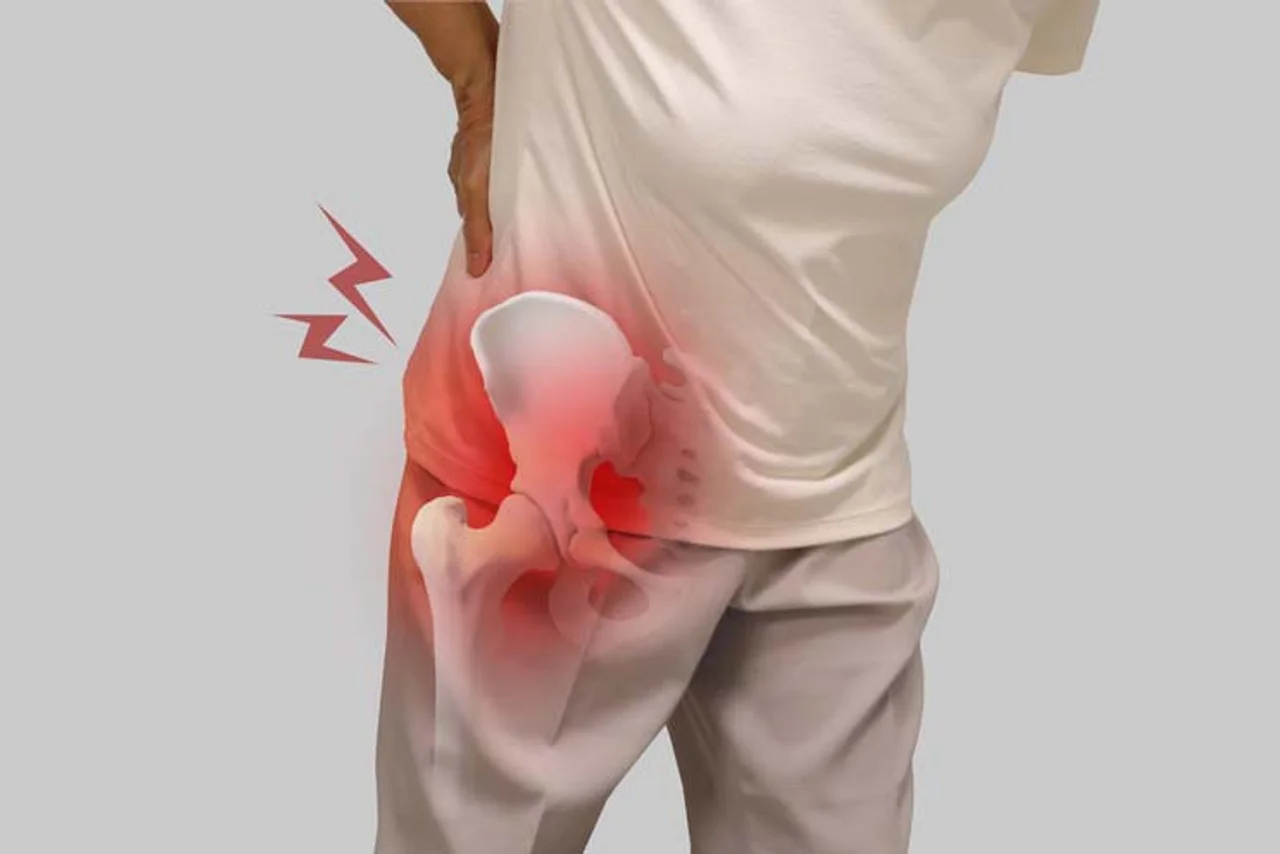
If you wake up every morning with a dull ache in your hip—or worse, a sharp, stabbing pain that makes it hard to stand straight—you’re not alone. At Banpo Newborn Korean Medicine Clinic, we meet people every day who tell us the same thing: “I thought it would go away on its own… but it didn’t.”
Many endure months or years of discomfort, believing their hip pain is just part of aging, stress, or “sleeping wrong.” But to be honest, most chronic hip pain has a deeper root cause, and the sooner it’s identified, the easier it is to fix.
As specialists in spinal correction, TMJ care, Chuna therapy, and holistic rehabilitation, we’ve learned one thing over our 30+ years of clinical practice: morning hip pain is almost never just about the hip. It is often the final warning sign of imbalances that have been building for years.
In this article, we’ll explore why hip pain shows up at night and in the morning, what it signals about your body, and how precise, non-surgical treatments—like those offered at Banpo Newborn Korean Medicine Clinic—can help you reclaim your mobility and wake up pain-free again.
Why Morning Hip Pain Matters More Than You Think
Morning pain is different from the discomfort you might feel during the day. If your hip aches when you wake up, it suggests:
Inflammation intensified overnight
Misalignment that worsens when the body is still
Problems in the spine or pelvis affecting hip mechanics
Muscle tension that “locks up” during sleep
Pressure on nerves due to poor structural balance
Your body is designed to repair itself while you sleep. So if pain is worse after rest, it tells us your biomechanics—how your bones, joints, and muscles interact—are not functioning properly.
In Korean medicine, as well as in modern orthopedics, this phenomenon is often linked to imbalances in the musculoskeletal system, especially in the pelvis and lower spine.
The Hidden Roots of Hip Pain: Beyond the Joint Itself
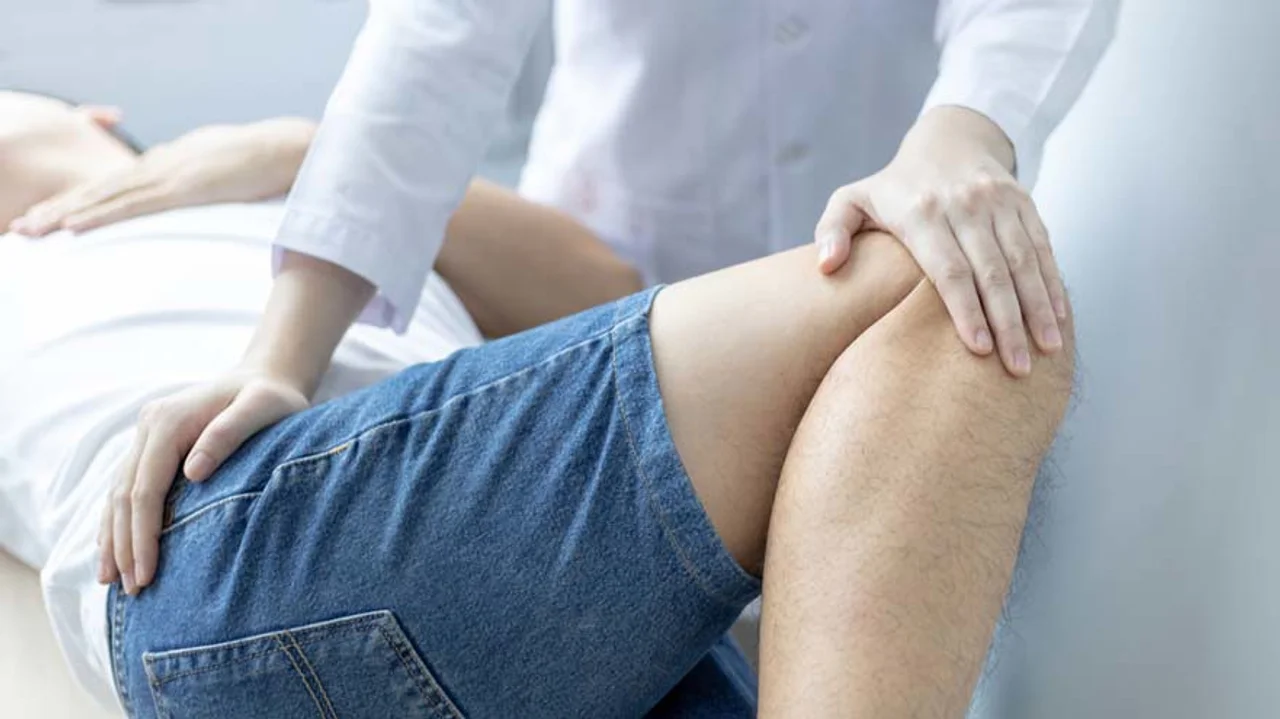
Many patients arrive convinced they have a “hip problem,” only to discover the real issue lies elsewhere. Here are the most common underlying causes we see at our clinic:
1. Pelvic Misalignment
Your pelvis is the foundation of your entire upper body. When it tilts forward, backward, or rotates (even slightly), it places uneven pressure on the hip joints.
You might feel:
Pain when standing after sitting
One hip higher than the other
Tightness around the groin or outer thigh
A sense that one leg is “shorter”
Dr. Ungjin Im often explains this to patients with a simple metaphor:
“If a house foundation is uneven, the entire structure becomes unstable. The pelvis works the same way for your spine and hips.”
2. Spinal Imbalances (Especially L4–S1)
The lumbar spine connects directly to the pelvis. Nerve roots exiting from L4 to S1 influence hip function, gluteal muscles, and deep pelvic stability.
If the spine is misaligned, compressed, or rotated:
Hip joints compensate excessively
Glute muscles weaken or tighten
Morning pain becomes common due to nerve irritation
This is one reason our Spinal Alignment Restoration Therapy (SART) is so effective—it restores mobility and space around these nerve pathways.
3. Weak Support Muscles
Modern Korean lifestyle habits—long sitting hours, floor sitting at home, desk-based careers—create weakness in the core and gluteal muscles.
Weak stabilizers mean:
Hips have to bear more weight than they should
Sleeping positions strain the joint
Pain appears after inactivity
4. Inflammation and Bursitis
Hip bursitis often worsens at night, especially if the person sleeps on one side. The bursa, a small fluid-filled sac, becomes irritated and compressed.
5. TMJ and Whole-Body Postural Compensation
It surprises many people, but TMJ dysfunction can alter posture down the entire spine. When the jaw is misaligned, the neck compensates, then the thoracic spine, then the pelvis—eventually affecting the hip.
We’ve treated patients whose hip pain drastically improved after correcting TMJ imbalances.
6. Early Degenerative Changes
Arthritis or cartilage wear can produce stiffness and pain after sleeping, when the joint fluid isn’t circulating.
Why Do Symptoms Feel Worse in the Morning?
During sleep:
Muscles cool down
Joints become stiffer
Circulation slows
Nerves become more sensitive if compressed
If your spine or pelvis is even slightly out of alignment, these nightly changes amplify inflammation.
When you stand up in the morning, the misaligned structures force the hip to bear weight abruptly, triggering pain.
One patient described it perfectly:
“It feels like my hip needs a few hours to wake up before I can move normally.”
That “warming up” period is a sign of chronic imbalance—not aging.
How We Diagnose Hip Pain at Banpo Newborn Korean Medicine Clinic
Because hip pain has many possible causes, we begin with a comprehensive structural assessment. Our approach is precise, personalized, and deeply rooted in Korean medicine principles.
1. Spatial Spinal and Pelvic Analysis
Using our clinic’s spatial spinal correction framework, we evaluate:
Pelvic tilt and rotation
Lumbar curvature and structural asymmetry
Leg-length discrepancy (functional vs. true)
Hip joint flexibility and muscle tension patterns
These details show us how your body moves as a whole, not just how the hip behaves in isolation.
2. Soft Tissue Palpation
By examining tension and texture in the muscles surrounding the hip, we can identify:
Chronic tightness
Trigger points
Areas of inflammation
Functional weaknesses
3. Movement and Gait Testing
Simple tests—like watching you walk, stand, or bend—reveal imbalances that X-rays often miss.
4. Medical History Review
We consider:
Sleep habits
Work posture
Exercise routine
Past injuries
TMJ symptoms
Stress levels
Hip pain rarely develops from one cause; it’s usually a combination of lifestyle and structural issues.
How We Treat Morning Hip Pain (Non-Surgical, Effective, Precise)

After diagnosing the root cause, we create a personalized treatment plan. At Banpo Newborn, no two patients receive the same protocol because no two bodies have the same story.
Here are the primary treatment methods we use:
1. Spinal Alignment Restoration Therapy (SART)
Developed through decades of clinical experience, SART is one of our clinic’s signature approaches.
It focuses on:
Restoring the natural alignment of the spine
Decompressing irritated nerves
Balancing the pelvis and lower back
Reducing chronic tension around the hip joint
Patients often tell us they feel “lighter” and “more balanced” even after one session.
2. Chuna Therapy: Traditional, Yet Highly Sophisticated
Chuna, a hands-on Korean medical technique, helps:
Mobilize stiff joints
Relax deep muscle layers
Realign the pelvis
Improve circulation around the hip
Many patients sleeping on one side for years suffer from muscle imbalances that Chuna corrects quickly and safely.
3. Pelvic Realignment and Stability Training
We guide patients through personalized stabilization exercises to:
Strengthen the gluteus medius and minimus
Correct habitual postural errors
Improve sleeping ergonomics
Support long-term hip balance
This is essential because structural corrections must be supported by muscular stability.
4. Acupuncture for Pain and Inflammation Relief
Acupuncture is especially effective for:
Trochanteric bursitis
Nerve compression-related hip pain
Tight hip flexors
Deep gluteal syndrome
It enhances blood flow and reduces inflammation without medication.
5. TMJ and Upper Body Correction (When Needed)
When hip pain originates from postural compensation due to TMJ issues, we integrate:
Jaw alignment therapies
Cervical mobilization
Breathing and habit retraining
Patients are often surprised to find their hip pain easing when their jaw tension improves.
Real Patient Story: “I Thought I Needed a Hip Replacement”
One of our patients, a 54-year-old office worker, came in convinced she was developing severe arthritis. She woke up every day with unbearable stiffness and had trouble standing after sleep.
But her X-rays were normal.
Our assessment revealed:
Pelvic rotation
Tight psoas muscles
Poor glute activation
Spine leaning slightly to the left
After four weeks of SART and Chuna therapy, she told us:
“For the first time in years, I woke up and didn’t feel that stabbing pain. I didn’t realize how much my spine affected my hip.”
Stories like this are common because hip pain rarely exists alone—it’s part of a larger pattern.
Lifestyle Habits That Make Morning Hip Pain Worse
1. Sleeping on One Side for Years
This compresses the hip bursa and tightens one side of the pelvis.
2. Sitting Long Hours
Korean work culture often means prolonged sitting, which shortens hip flexors and weakens glutes.
3. Crossing Legs
This contributes to pelvic rotation and uneven hip pressure.
4. Lack of Movement
Stiff joints are more painful in the morning.
5. Using Soft or Sagging Mattresses
These allow the pelvis to sink, worsening misalignment.
When Should You See a Specialist?
You should seek professional care if you experience:
More Medical Articles
Continue reading clinical insights from Banpo Newborn Korean Medicine Clinic.

Why Seoul is the Global Hub for Minimally Invasive Vertigo Treatment
Dizziness and vertigo are among the most common reasons for hospital visits in South Korea, affecting nearly 16.7% of the adult population annually according to the Korea National Health and Nutrition Examination Survey (KNHANES).
Learn More

Tinnitus Relief in Seoul: Multidisciplinary Upper Cervical Care
For many, the sound of silence is replaced by a persistent ringing, buzzing, or hissing. In South Korea, this is more than an individual annoyance; it is a significant public health trend.
Learn More

Success Rates of SART for OPLL Compared to Standard Laminectomy in Korea
The prevalence of Ossification of the Posterior Longitudinal Ligament (OPLL) in East Asian populations, particularly in South Korea, is significantly higher than in Western countries, affecting approximately 2% to 4% of the population according to nationwide...
Learn More