SART Whole-Body Spinal Alignment, Chuna Therapy & International Patient Concierge
30+ Years Clinical Experience
en-US

Korean Medicine Guide
Sleep Positions That Make Back Pain Worse – And What to Do Instead
Discover sleep positions that worsen back pain and learn better ways to sleep comfortably for relief and a healthier spine.
Schedule a Consultation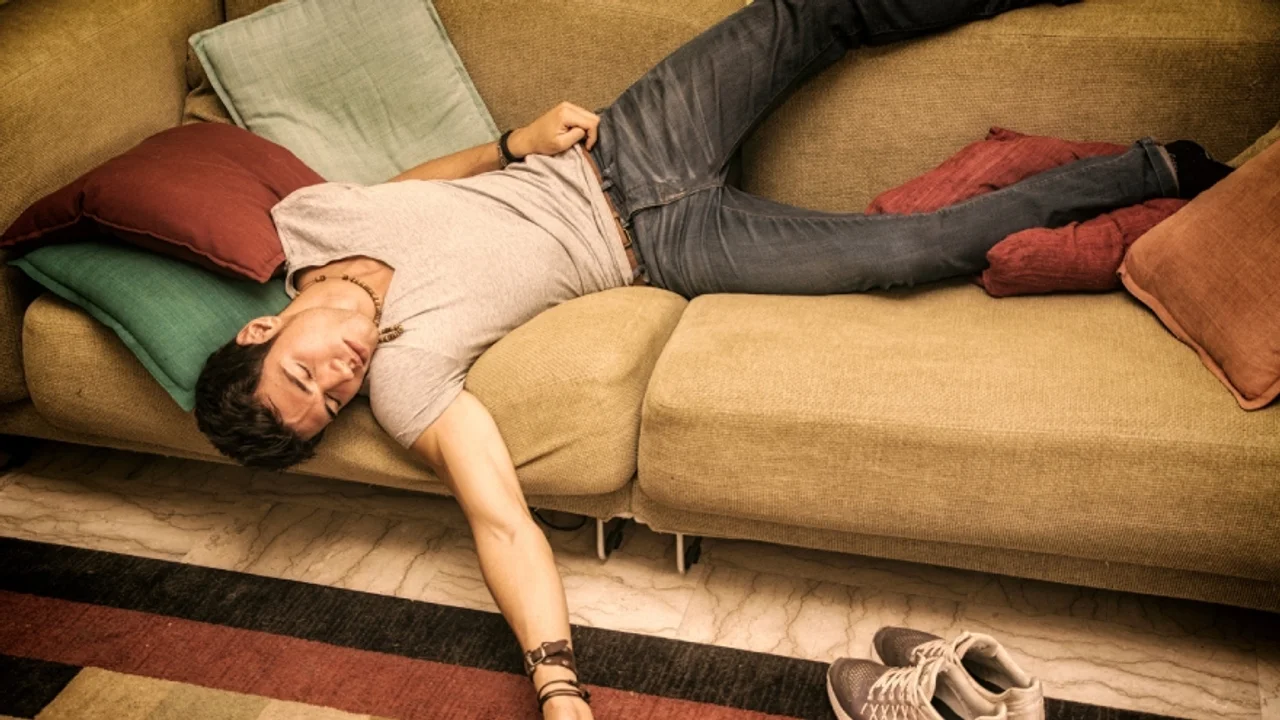
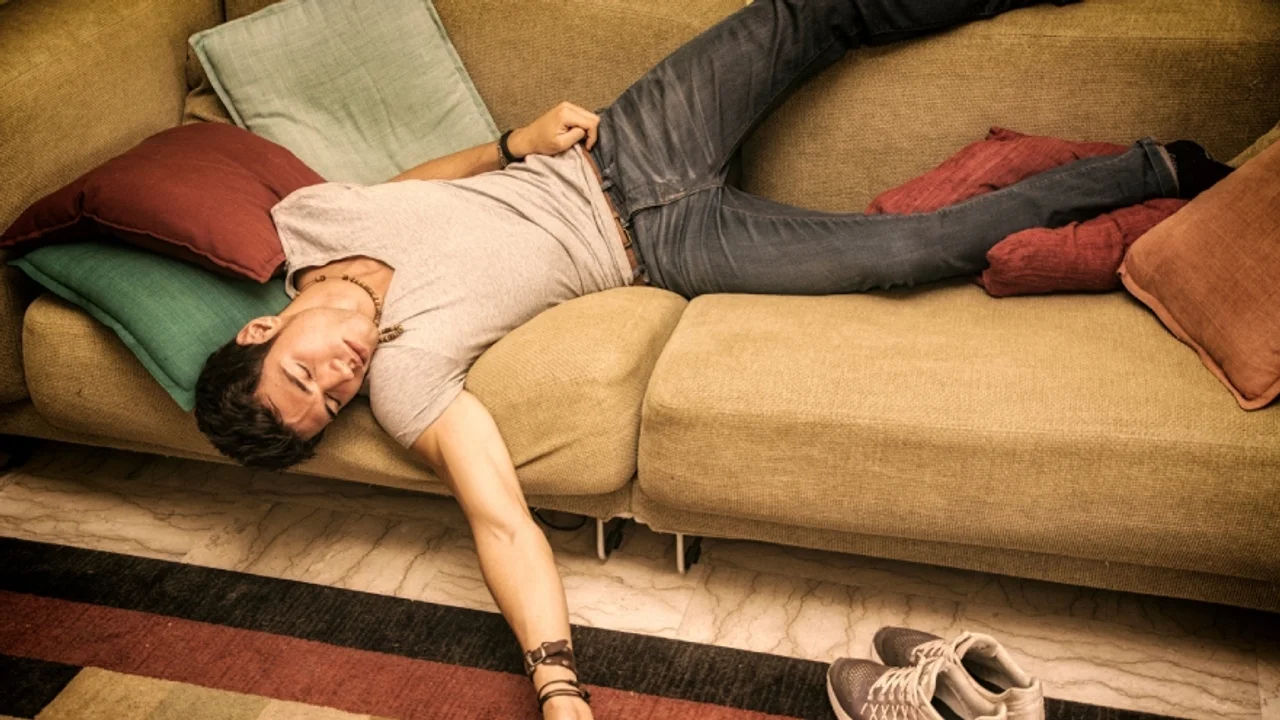
Have you ever woken up more sore than when you went to bed? If Back pain, Backache, or Lower back pain is part of your mornings, the issue may not be your mattress alone—it’s often your sleep position. To be honest, many people don’t realize how a few centimeters of neck tilt or a twisted pelvis can irritate nerves all night long. The good news: small, precise adjustments can turn sleep into a powerful part of your recovery.
At Banpo Newborn Oriental Medical Clinic, we help patients reduce night pain and morning stiffness using a whole-body system—gentle alignment care, targeted soft-tissue work, and simple home strategies that fit real life. Below, Dr. Ungjin Im and our team share what to avoid, what to try, and how to tailor your sleeping posture to conditions like Herniated Disc/Disc Herniation/Slipped Disc, Spinal Stenosis/Lumbar Spinal Stenosis, hip pain, and pelvic discomfort.
Why sleep position matters more than you think
For 6–8 hours, your body holds one pattern. If that pattern compresses a joint or twists your spine, tissues never get the chance to relax. A sagging rib cage can pull the neck forward (hello Neck stiffness and Headache/Chronic Headache), while a rotated pelvis can inflame the sacroiliac joints and provoke Lumbar pain, Pelvic pain, and hip pain. Even the Temporomandibular Joint (TMJ) reacts—people who sleep face-down or with the head sharply turned often wake with jaw tension (TMJ Disorder/TMJ Syndrome), ear pressure, or Tinnitus.
Our rule of thumb is simple: stack the body so each region does less guarding. That’s the fastest way to wake up calmer.
Sleep positions that commonly make back pain worse
1) Stomach sleeping (prone) with the head turned
Why it’s a problem: Lying face-down increases lumbar extension and forces the neck into rotation for hours. That can irritate facet joints, compress the lower back, and trigger Neck ache, Shoulder stiffness, jaw clenching, and even Headache patterns.
Who struggles most: People with facet irritation, Frozen shoulder, TMJ Disorder, or upper-cervical sensitivity.
2) Twisted side-lying (top leg thrown forward)
Why it’s a problem: Pitching one knee across your body rotates the lumbar spine and pelvis. Overnight, that twist can strain discs and the sacroiliac joints—fueling Back pain, Pelvic discomfort, and hip pain in the morning.
Who struggles most: Those with Disc Herniation/Herniated Disc, SI joint irritation, or a history of Slipped Disc.
3) Fetal position curled too tightly
Why it’s a problem: Gentle flexion can be helpful, but extreme rounding collapses the rib cage and tightens the upper neck. You’ll often wake with Neck pain, Neck stiffness, and shoulder tension.
Who struggles most: Patients whose headaches or jaw symptoms flare at night (TMJ, Chronic Headache).
Note: People with Lumbar Spinal Stenosis sometimes feel better with mild flexion—moderate, not extreme.
4) Supine (on your back) with legs straight and a high pillow
Why it’s a problem: A tall pillow pushes the head forward; straight legs increase lumbar curve in some bodies, loading the facets and making Lower back pain worse.
Who struggles most: Facet irritation, hip flexor tightness, or postural Scoliosis where the low back over-arches at rest.
5) Side-lying without shoulder/waist support
Why it’s a problem: The shoulder jams upward, the neck tilts, and the waist gap collapses—common triggers for Shoulder pain, Neck ache, and mid-back stiffness.
Who struggles most: Desk workers, those with Frozen shoulder, and anyone waking with pins-and-needles in the hand.
What to do instead (easy fixes that work tonight)
A. Side-lying, stacked and supported (our most prescribed)
Pillow height: Choose a pillow that fills the space from shoulder to ear so the neck is neutral (no tilt).
Knee & ankle pillow: Place a pillow between knees and ankles to keep the pelvis level—this is crucial for SI joint and hip pain.
Waist support: Slide a small towel into the waist gap on the lower side to prevent side-bend strain.
Arm position: Hug a pillow in front to keep the top shoulder from rolling forward (great for Frozen shoulder).
B. Supine with knees supported (low-back friendly)
Under-knee bolster: Place a pillow or small bolster under the knees to reduce lumbar extension and soothe Lumbar pain.
Micro-lumbar roll (optional): A thin towel under the low back can support a neutral curve (avoid if it increases pain).
Neck pillow: Moderate height so the face looks straight up, not down.
C. Three-quarter prone (for stubborn stomach sleepers)
Pelvis pillow: Place a thin pillow under the lower abdomen/pelvis to reduce low-back sway.
Face position: Use a very thin head pillow and angle the head only slightly—better yet, use a body pillow to turn into a supported side-lying position.
Condition-specific sleep guides
If you have a Disc Herniation / Herniated Disc / Slipped Disc
Best: Side-lying with knees/ankles supported, spine long, and no twist.
Avoid: Deep spinal flexion coupled with rotation (twisted fetal).
Tip: Log-roll in and out of bed—roll as a unit, then use the arms to help up.
If you have Spinal Stenosis / Lumbar Spinal Stenosis
Often better: Mild flexion bias. Try supine with a generous pillow under knees, or side-lying with a soft curl (not extreme).
Tip: A slightly elevated head/shoulders (using an adjustable bed or wedge) can extend walking capacity the next day.
If your main issue is SI joint or pelvic pain
Key: Keep the pelvis level. Use two pillows—between knees and between ankles.
Bonus: A small towel roll at the waist gap on the lower side reduces morning Pelvic discomfort.
If hip pain wakes you
Cushion contact points: Use a thicker pillow between knees and a soft topper.
Rotate sides: Alternate to avoid overloading one hip nightly.
If neck, jaw, or headache symptoms flare at night
Avoid: Stomach sleeping and high pillows.
Do: Side-lying with a shoulder-height pillow; tongue resting on the palate, teeth apart to calm the TMJ.
Helpful for: Headache, Chronic Headache, Tinnitus, TMJ Disorder/TMJ Syndrome.
If you have Frozen shoulder
Support the arm: In side-lying, hug a pillow so the top arm is slightly forward and supported; in supine, prop the elbow on a folded towel.
Avoid: Sleeping with the hand overhead.
If you live with Scoliosis or persistent asymmetry
Goal: Symmetry first, then comfort. Fill the waist gap on the concave side and use knee/ankle pillows to keep the pelvis level.
Note: Patterns like Torticollis, Wry Neck, Dystonia, or Muscle Dystonia may require extra attention to head/neck neutrality.
A five-minute pre-sleep reset
Micro-decompression breathing (60–90 sec)
Lie on your back, knees propped. Exhale gently through the mouth to soften the ribs, then breathe quietly into the low ribs—no belly push. This reduces spinal tension before bed.Hip-hinge rehearsal (5 slow reps)
Stand tall, hands on the hips, send the pelvis back a few centimeters keeping the spine long, then return. Teaches your body to move from the hips, not the low back.Thoracic open book (each side 3–4 reps)
In side-lying with knees together on a pillow, rotate the top arm/back gently. Frees the rib cage without twisting the lumbar spine.Jaw relaxer (30 sec)
Tongue on the palate, lips closed, teeth apart. Inhale quietly, exhale longer than the inhale. Calms TMJ and upper-cervical tension.
Mattress and pillow: how to choose
Mattress: Most back-pain patients do best with medium-firm plus a soft topper for shoulders/hips. If you’re waking with hip/shoulder pain, add softness; if you’re sinking and arching, add firmness.
Pillow height (side-lying): Stand a pillow on its edge beside your shoulder; that thickness should roughly match the shoulder-to-ear distance.
Pillow height (supine): Enough to keep your gaze straight up (chin neither poked up nor tucked). If you snore more with higher pillows, reduce height gradually.
When morning pain signals something more serious
Night or morning back pain can be part of benign mechanics—but seek urgent evaluation if you notice any of the following:
Progressive leg weakness, foot drop, or numbness in the “saddle” region
Loss of bladder or bowel control
Fever, unexplained weight loss, or pain after significant trauma
Rapidly worsening neurological symptoms
Your safety comes first. When medical or surgical care is the smarter path, we explain why and coordinate referrals quickly.
How we help at Banpo Newborn Korean Medicine Clinic

Our non-surgical program blends precise hands-on care with micro-habits like the sleep strategies above.
Spinal Alignment Restoration Therapy (SART)
Refined in our clinic, SART uses gentle, targeted corrections to restore space around irritated segments and re-stack your body so you don’t “brace” all night. Patients often describe it as light, specific, and surprisingly relieving.
Spatial spinal correction & Chuna therapy
We address alignment in three dimensions (tilt, shift, rotation) and restore joint play through Chuna manual therapy so your shoulder, rib cage, and pelvis share load evenly—key for comfortable sleep.
Acupuncture, moxibustion, cupping, and simple herbal support
These methods calm inflammation, improve micro-circulation, and downshift the nervous system—especially helpful for night-dominant pain and muscle guarding.
Coaching that fits real life
More Medical Articles
Continue reading clinical insights from Banpo Newborn Korean Medicine Clinic.

Why Seoul is the Global Hub for Minimally Invasive Vertigo Treatment
Dizziness and vertigo are among the most common reasons for hospital visits in South Korea, affecting nearly 16.7% of the adult population annually according to the Korea National Health and Nutrition Examination Survey (KNHANES).
Learn More

Tinnitus Relief in Seoul: Multidisciplinary Upper Cervical Care
For many, the sound of silence is replaced by a persistent ringing, buzzing, or hissing. In South Korea, this is more than an individual annoyance; it is a significant public health trend.
Learn More

Success Rates of SART for OPLL Compared to Standard Laminectomy in Korea
The prevalence of Ossification of the Posterior Longitudinal Ligament (OPLL) in East Asian populations, particularly in South Korea, is significantly higher than in Western countries, affecting approximately 2% to 4% of the population according to nationwide...
Learn More