SART Whole-Body Spinal Alignment, Chuna Therapy & International Patient Concierge
30+ Years Clinical Experience
en-US

Korean Medicine Guide
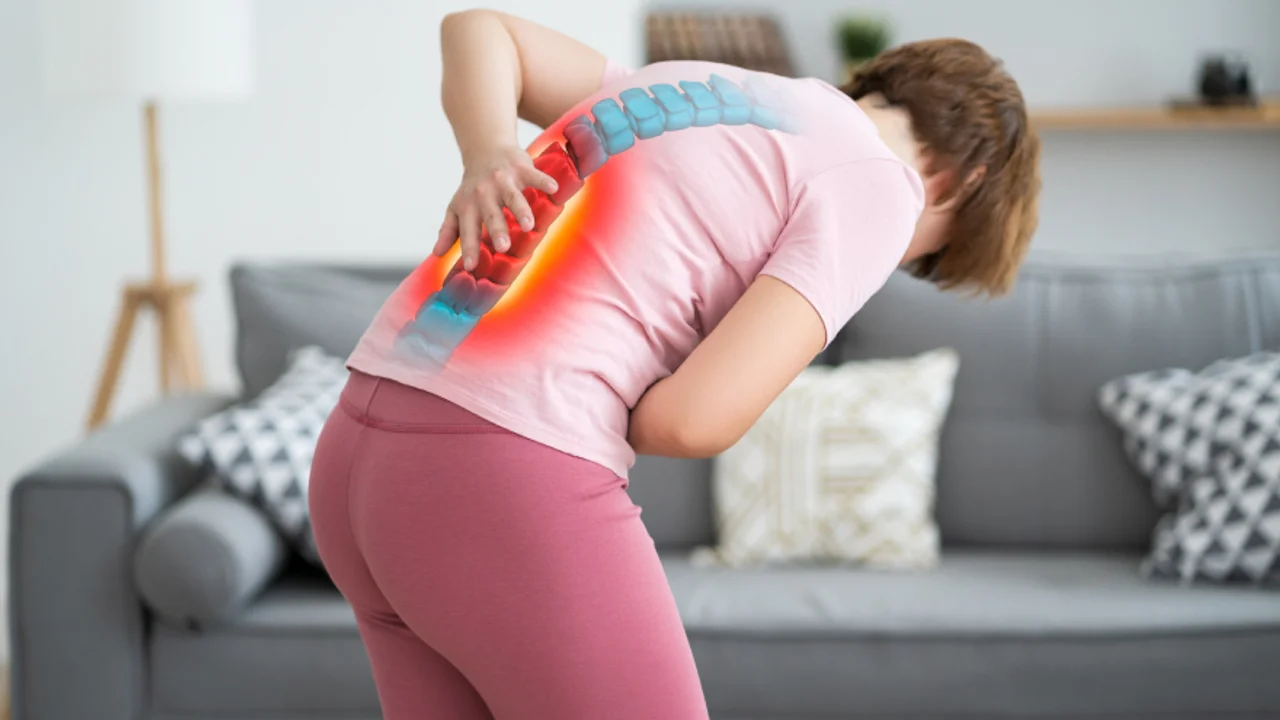
Spinal Stenosis and Nerve Pain: What Korean Medicine Can Do for You
Discover non-surgical relief for spinal stenosis and nerve pain. At Banpo Newborn Korean Medicine Clinic in Seoul, Dr. Ungjin Im restores mobility and health.
Schedule a Consultation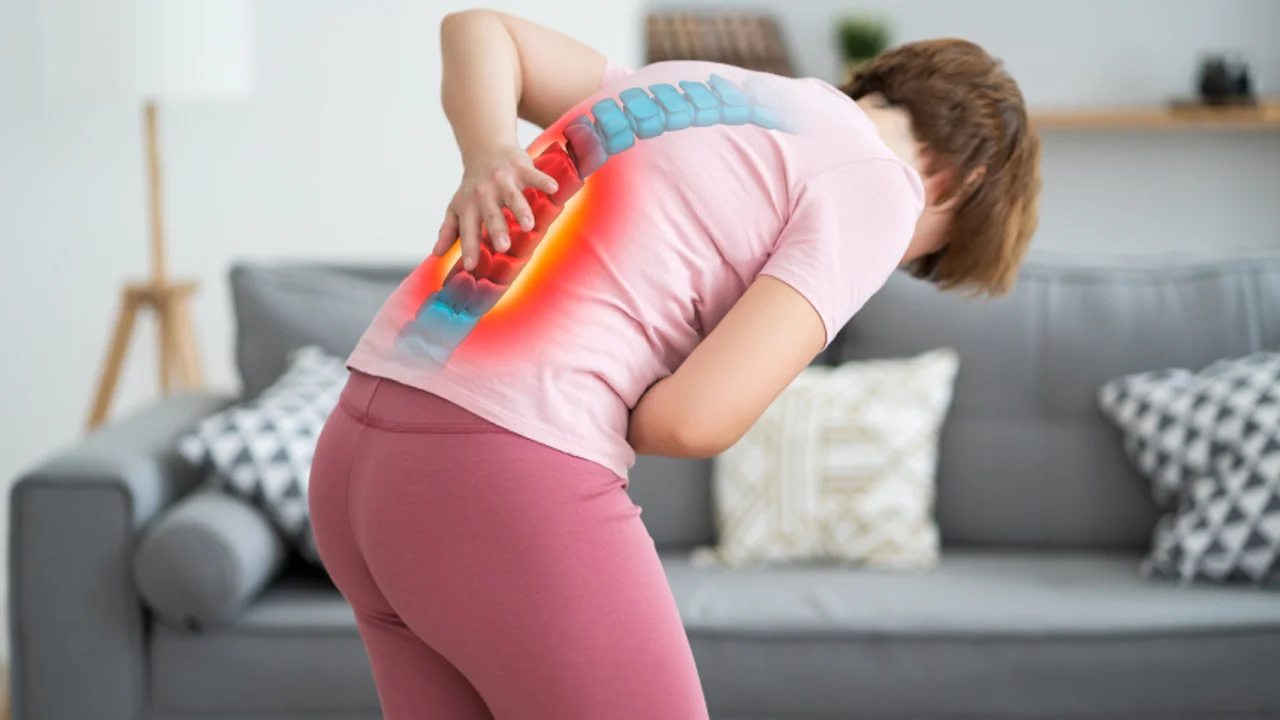
Introduction
Living with spinal stenosis and nerve pain can be overwhelming. The condition often begins with stiffness or mild discomfort in the lower back or neck but gradually evolves into burning, tingling, or radiating pain that travels into the legs, arms, or shoulders. For many, even simple activities such as walking, standing, or sitting for long periods become difficult.
Conventional medicine often recommends medication, injections, or surgery, but these approaches come with risks, side effects, and varying degrees of success. For patients seeking a safer, non-invasive solution, Korean Medicine offers an alternative that focuses on correcting spinal alignment, improving circulation, and restoring whole-body balance.
At Banpo Newborn Korean Medicine Clinic, conveniently located in Seoul, Dr. Ungjin Im brings over 30 years of clinical experience in treating spinal disorders, including spinal stenosis and nerve pain. With innovative therapies such as Spinal Alignment Restoration Therapy (SART) and Spatial Spinal Correction, the clinic has become a trusted destination for long-lasting, non-surgical relief.
What Is Spinal Stenosis?
Spinal stenosis is a condition in which the spinal canal narrows, compressing the spinal cord and nerves. This narrowing can occur in the cervical spine (neck), thoracic spine (mid-back), or lumbar spine (lower back)—with lumbar spinal stenosis being the most common.
Causes of Spinal Stenosis
Aging and degeneration – natural wear and tear leads to disc thinning, bone spurs, and joint changes.
Herniated discs – displaced discs press directly on nerves.
Thickened ligaments – ligaments that stabilize the spine can become stiff and encroach on nerve space.
Congenital narrowing – some individuals are born with a smaller spinal canal.
Spinal injuries – fractures or dislocations alter the canal space.
Symptoms of Nerve Compression
Persistent back or neck pain
Sciatica – radiating pain down the leg
Numbness or tingling in the arms, hands, legs, or feet
Weakness in the lower body or grip strength
Difficulty with walking or balance
Symptoms that worsen when standing or walking but improve when bending forward
Over time, untreated spinal stenosis may lead to severe mobility restrictions and a loss of independence.
Why Conventional Treatments Often Fall Short
Western medical care for spinal stenosis typically includes:
Painkillers and muscle relaxants – temporary symptom control but long-term side effects like dependency or stomach irritation.
Steroid injections – reduce inflammation but may wear off in weeks or months.
Surgery (laminectomy, fusion, discectomy) – invasive, costly, and associated risks such as infection, scar tissue, or limited flexibility.
Even after surgery, recurrence is possible because the underlying misalignment or degeneration is not fully addressed.
Korean Medicine’s Perspective on Spinal Stenosis
Unlike a purely mechanical view, Korean Medicine sees spinal stenosis as both a structural and systemic imbalance.
Core Principles
Qi (energy) stagnation: Blocked energy flow in the spine leads to stiffness and pain.
Blood stagnation: Poor circulation increases nerve compression symptoms.
Kidney weakness: In Oriental medicine, the kidneys govern bone and spinal health—weak kidney Qi often manifests as lumbar pain.
Whole-body misalignment: Narrowing in one part of the spine disrupts posture and balance throughout the body.
Treatment aims to:
Expand space around nerves through precise spinal correction
Improve blood and energy circulation
Reduce inflammation naturally
Strengthen ligaments, muscles, and organ systems to support long-term recovery
Korean Medicine Therapies for Spinal Stenosis and Nerve Pain
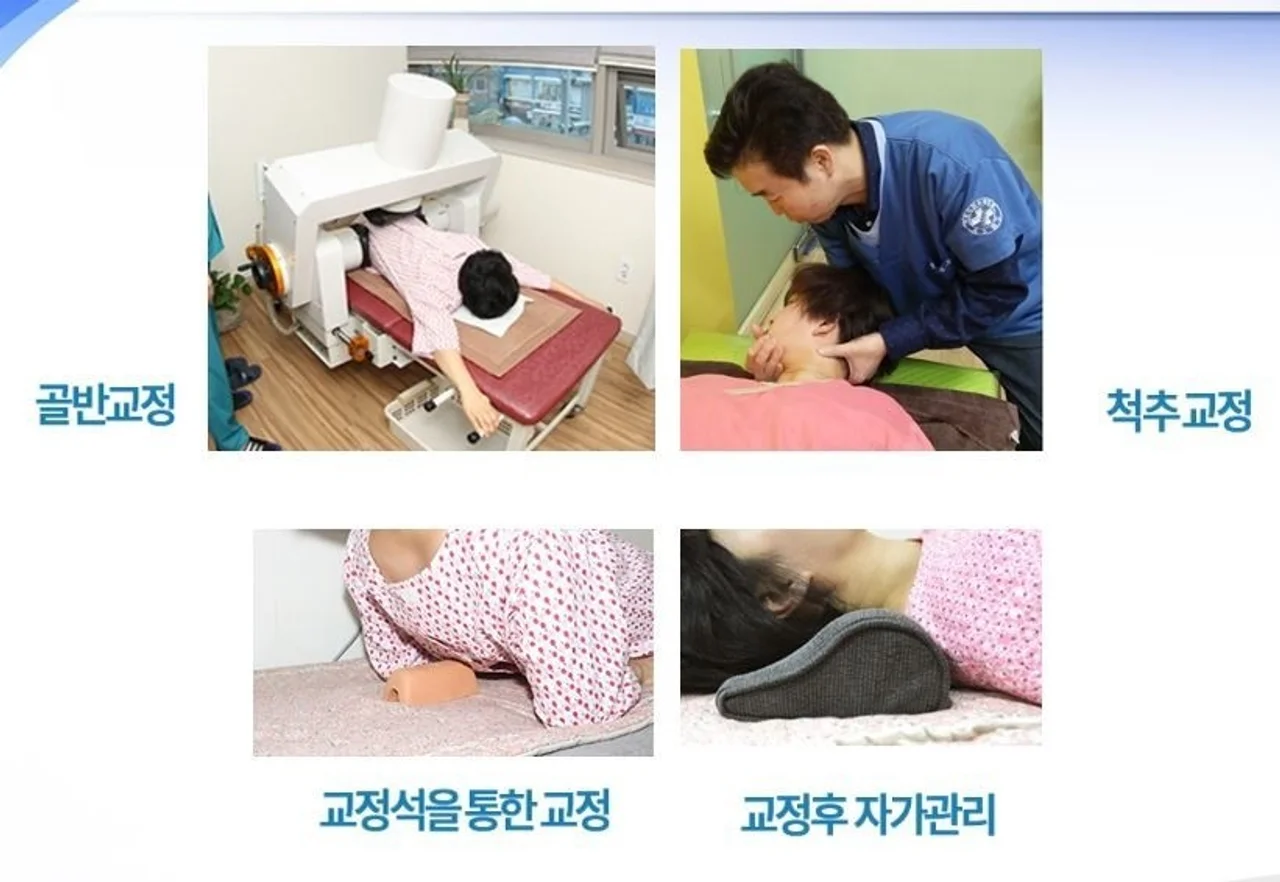
At Banpo Newborn Oriental Medical Clinic, Dr. Ungjin Im combines decades of research, clinical expertise, and innovation to provide safe, customized treatments for each patient.
1. Spinal Alignment Restoration Therapy (SART)
Developed by Dr. Im and registered with the Association of Korean Medicine
Uses specialized instruments such as a therapeutic hammer and alignment rod
Provides precise, minimally invasive corrections
Validated at Korea University’s ERC Center for safety and accuracy
Restores nerve space and relieves compression
2. Spatial Spinal Correction
Goes beyond traditional Chuna or chiropractic care
Aligns the entire spine—cervical, thoracic, lumbar, pelvic, and cranial areas
Ensures whole-body balance instead of focusing on one region
Reduces strain on the lumbar spine caused by postural imbalances
3. Chuna Manual Therapy
Gentle manipulations restore natural spinal movement
Relieves tension and stiffness
Improves flexibility and joint function
4. Acupuncture & Pharmacopuncture
Targets specific points along meridians connected to the spine and nerves
Reduces pain and inflammation
Improves nerve signal transmission and blood flow
5. Herbal Medicine & Cupping
Custom herbal formulas strengthen ligaments and discs
Reduce calcification and stiffness
Cupping releases tension and improves circulation in surrounding tissues
6. Korean Medicine Physical Therapy
Infrared therapy and hot packs for deep muscle relaxation
Pelvic correction devices to support alignment
Corrective tools and exercises for home self-care
Benefits of Korean Medicine for Spinal Stenosis
Patients who undergo treatment at Banpo Newborn Oriental Medical Clinic experience:
Pain relief without risky surgery
Improved mobility and walking endurance
Less reliance on pain medications
Better spinal posture and balance
Improved nerve function and circulation
Enhanced quality of life and independence
Dr. Ungjin Im: Leader in Non-Surgical Spinal Care
Credentials
Director & Founder, Banpo Newborn Oriental Medical Clinic
Ph.D. in Korean Medicine – Kyung-Hee University
Master’s in Rehabilitation Medicine – Dongguk University
Bachelor’s in Korean Medicine – Dongguk University
Achievements
30+ years of experience in spinal correction and holistic rehabilitation
Tens of thousands of successful, accident-free treatments
Developer of SART, studied and certified for safety and efficacy
Founding Academic Director, Spinal Dao-In Alignment Association
Contributor to academic research and professional education
Awards & Recognition
Korea Consumer Excellence Grand Prize (2018)
Merit Award from the Association of Korean Medicine (2020)
Certified healthcare provider for international patients
Lifestyle and Self-Care for Spinal Stenosis Patients

Dr. Im emphasizes that treatment works best when patients actively participate in their recovery.
Posture & Movement
Maintain upright posture when sitting and standing
Use an ergonomic chair with lumbar support
Avoid sitting for long periods—take stretching breaks every 30–40 minutes
Exercise & Flexibility
Low-impact activities: walking, swimming, stationary cycling
Gentle stretches: hip flexor stretches, hamstring stretches
Core strengthening to support the lumbar spine
Daily Adjustments
Sleep on a firm mattress with proper neck support
Avoid lifting heavy objects or twisting the spine suddenly
Practice breathing and relaxation techniques to reduce tension
Patient Experiences with Korean Medicine for Spinal Stenosis
Patients at Banpo Newborn Oriental Medical Clinic often share life-changing results:
Case 1: A 62-year-old with lumbar stenosis who struggled to walk more than 10 minutes found relief after 15 sessions of SART and acupuncture, regaining the ability to walk for over an hour daily.
Case 2: A 48-year-old office worker with cervical stenosis experienced chronic arm tingling and weakness. After combined spatial spinal correction and pharmacopuncture, nerve function improved, and strength was restored.
Case 3: A 70-year-old with degenerative stenosis avoided surgery through Chuna therapy and herbal medicine, reporting reduced pain and improved quality of sleep.
Long-Term Advantages of Korean Medicine Over Surgery
Unlike surgery, which often addresses stenosis at one level, Korean Medicine provides whole-body healing:
Treats root causes, not just symptoms
Strengthens surrounding tissues to prevent recurrence
Avoids complications such as scar tissue, failed back surgery syndrome, or loss of mobility
Improves systemic health (digestion, circulation, sleep) alongside spinal health
Location and Accessibility
Banpo Newborn Korean Medicine Clinic is located on the 5th floor of the New Town Shopping Center, near Exit 6 of Banpo Station in Seoul.
Direct access via subway for city residents
Convenient connections from Incheon and Gimpo Airports for international patients
Multilingual support in Korean, English, and Chinese
Why Patients Choose Banpo Newborn Korean Medicine Clinic
More Medical Articles
Continue reading clinical insights from Banpo Newborn Korean Medicine Clinic.

Why Seoul is the Global Hub for Minimally Invasive Vertigo Treatment
Dizziness and vertigo are among the most common reasons for hospital visits in South Korea, affecting nearly 16.7% of the adult population annually according to the Korea National Health and Nutrition Examination Survey (KNHANES).
Learn More

Tinnitus Relief in Seoul: Multidisciplinary Upper Cervical Care
For many, the sound of silence is replaced by a persistent ringing, buzzing, or hissing. In South Korea, this is more than an individual annoyance; it is a significant public health trend.
Learn More

Success Rates of SART for OPLL Compared to Standard Laminectomy in Korea
The prevalence of Ossification of the Posterior Longitudinal Ligament (OPLL) in East Asian populations, particularly in South Korea, is significantly higher than in Western countries, affecting approximately 2% to 4% of the population according to nationwide...
Learn More