SART Whole-Body Spinal Alignment, Chuna Therapy & International Patient Concierge
30+ Years Clinical Experience
en-US

Korean Medicine Guide
Spinal Stenosis Non Surgical Treatment Banpo Newborn Clinic
Seeking spinal stenosis non surgical treatment Discover Dr Ungjin Im SART approach at Banpo Newborn Clinic 30 years of expertise Book a consultation today.
Schedule a ConsultationIntroduction
Living with the constant ache and heaviness of spinal stenosis can make a simple walk to the park in Central Park or a stroll in Santa Monica feel like an impossible marathon. For many people across the United States the diagnosis of spinal canal narrowing feels like a life sentence of pain and limited mobility. If you have been told surgery is your only option you deserve to know there is a proven non invasive path forward. Many patients spend years trying various physical therapies or temporary injections only to find that the underlying structural issue remains. When looking for a spinal stenosis non surgical treatment it is vital to understand that the goal is not just to mask pain but to physically restore the space that the nerves need to function correctly.
For patients like Brian a 55 year old professional in NYC or Rachel a 62 year old active grandmother in LA the narrowing of the spinal canal is not just a medical term found on an MRI report. It is a loss of independence and a daily struggle to maintain a high quality of life. Brian finds that after standing for only ten minutes his legs feel heavy and numb making his commute to Wall Street a grueling task. Rachel finds she can no longer garden or play with her grandchildren because the burning sensation in her lower back becomes unbearable. They both represent the thousands of Americans seeking a spinal stenosis non surgical treatment that actually addresses the root cause of their suffering without the risks of invasive surgery.
As a Doctor of Korean Medicine with more than 30 years of experience and having performed over 200 successful SART procedures annually I have seen firsthand how structural correction can revitalize the spine without the need for a scalpel says Dr Ungjin Im. At Banpo Newborn Korean Medicine Clinic we focus on a specialized methodology known as SART which stands for Spinal Alignment Restoration Therapy. This article will provide an exhaustive look into how this spinal stenosis non surgical treatment works why it is becoming a preferred choice for US patients and how integrative Korean medicine provides a holistic solution for spinal health.
The following sections will cover the mechanics of spinal stenosis and why surgery is not always the best first step. We will dive deep into the SART protocol which focuses on creating space naturally through structural decompression. We will also explore how acupuncture and herbal medicine support the healing of damaged nerves and ligaments. By the end of this guide you will have a clear understanding of the evidence based outcomes possible through 30 years of clinical practice and why your journey to recovery does not have to include a hospital stay or a long recovery from a fusion procedure.
Artificial intelligence has also begun to play a supportive role in modern clinic operations. In the context of creating medical articles AI assists with deep research and helps in structuring complex information so it is easy for patients to read. It helps in maintaining SEO standards while ensuring that the most relevant information is presented clearly. However at Banpo Newborn Clinic the priority remains medical review and accuracy. While technology helps us organize and deliver this information the core of the treatment is the human expertise and clinical mastery of Dr Ungjin Im.
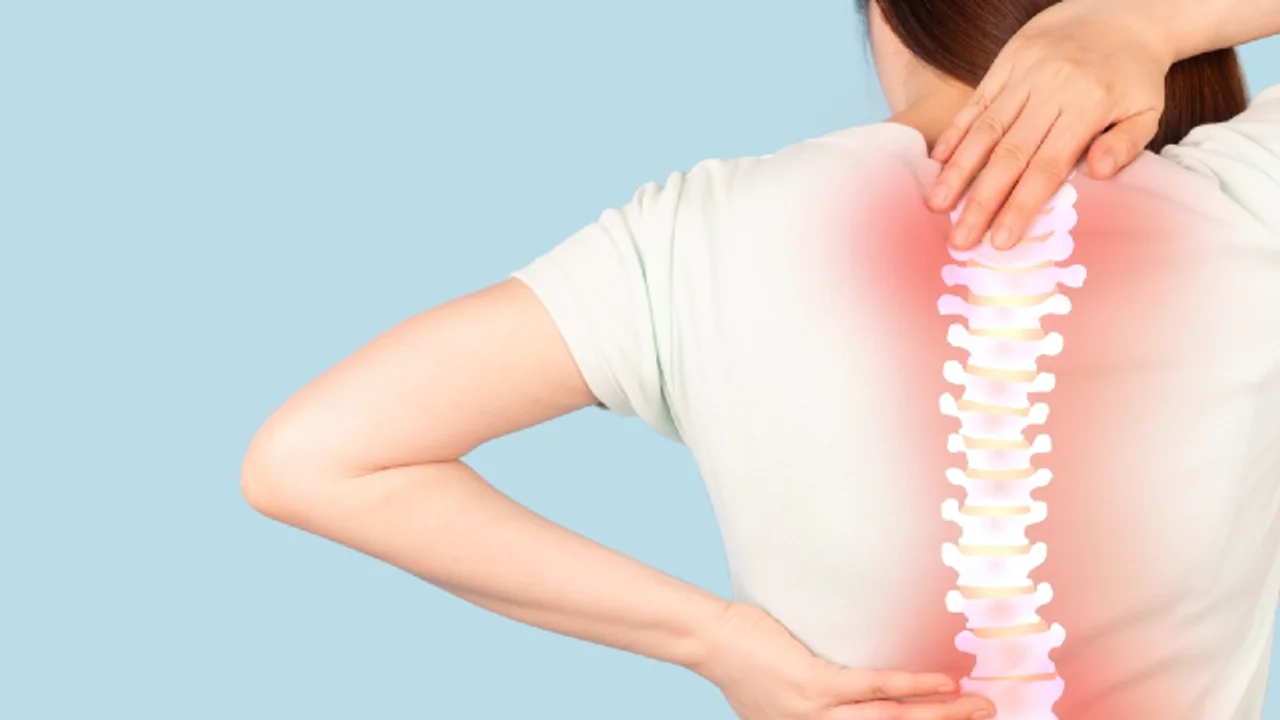
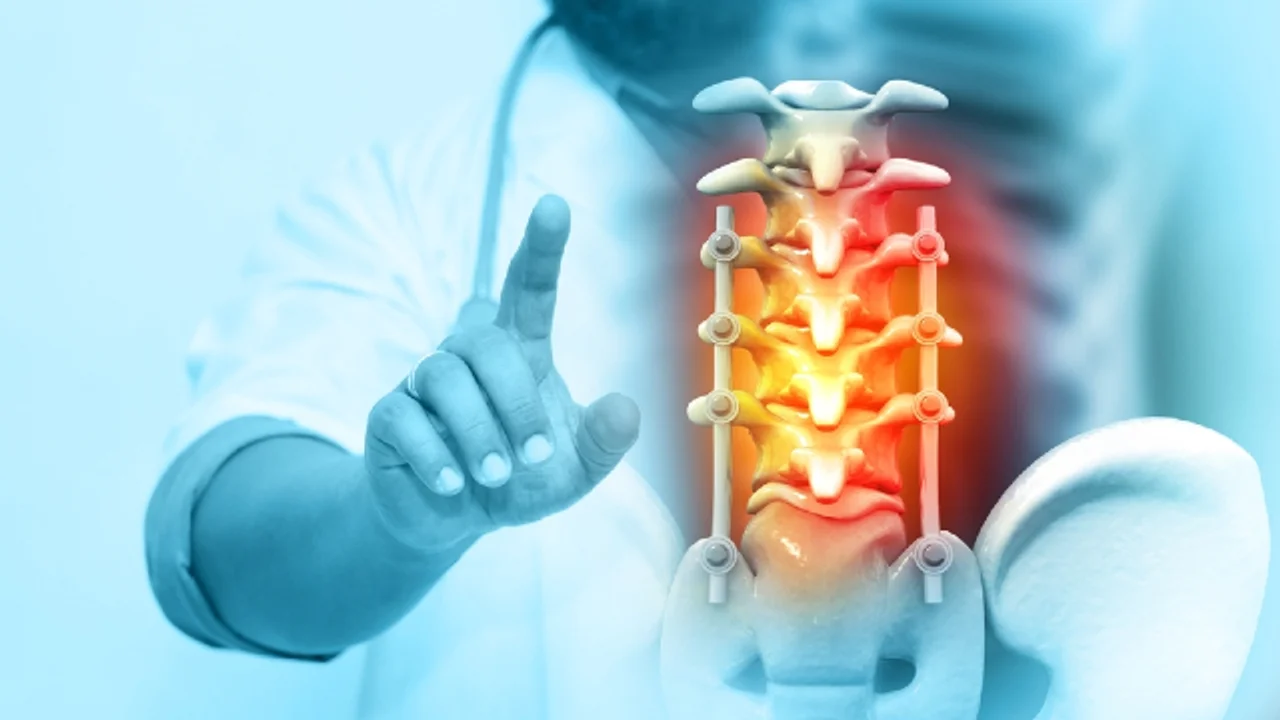
Understanding Spinal Stenosis And The Need For Non Surgical Options
Spinal stenosis is a condition characterized by the narrowing of the spaces within your spine which can put pressure on the nerves that travel through the spine. While it can occur anywhere in the spinal column it most commonly affects the lower back and the neck. For many patients searching for a spinal stenosis non surgical treatment the journey begins when they realize that the typical wear and tear described by their doctors is actually a complex structural collapse. This collapse does not happen overnight but is the result of years of misalignment and pressure.
What Is Spinal Canal Narrowing
Spinal canal narrowing is the physical reduction of the space available for the spinal cord and nerve roots. Think of the spinal canal as a tunnel that protects a bundle of vital electrical wires. If the walls of that tunnel start to cave in the wires become pinched and irritated. In the case of the spine these walls are made of bone and ligaments. When the discs between the vertebrae lose hydration and height the surrounding ligaments often thicken to compensate for the instability. This thickening known as ligamentum flavum hypertrophy further reduces the space in the canal.
This process leads to the classic symptoms of stenosis such as neurogenic claudication. This is a medical term for the cramping or heaviness in the legs that occurs when walking or standing. Many patients find that leaning forward on a shopping cart or sitting down provides immediate relief. This is because leaning forward temporarily opens the spinal canal and relieves the pressure. A successful spinal stenosis non surgical treatment must find a way to create this opening permanently through structural realignment rather than just providing a few minutes of relief.
Why US Patients Are Moving Away From Spinal Fusion
In major cities like Chicago Houston and Phoenix the traditional approach to severe stenosis has often been spinal fusion or laminectomy. While these surgeries can be life saving in emergency cases they come with significant risks and long recovery times. Many patients in the United States are becoming increasingly cautious about invasive procedures. Spinal fusion involves joining two or more vertebrae together using metal plates and screws. This permanently changes the biomechanics of the back and can lead to adjacent segment disease where the levels above and below the fusion site begin to break down due to increased stress.
Furthermore the recovery from such a surgery can take months and there is no guarantee that the pain will disappear entirely. Failed Back Surgery Syndrome is a real concern for many where the patient still experiences pain even after a technically successful operation. This is why a spinal stenosis non surgical treatment like SART is gaining popularity. It offers a way to address the structural issues without the trauma of surgery the risks of anesthesia or the permanent loss of spinal flexibility. For a professional in New York or an active senior in Florida maintaining natural movement is a top priority.
Identifying The Symptoms From Sciatica To Heaviness
The symptoms of spinal stenosis are often slow to develop and can be confused with other age related issues. However the hallmark of the condition is the change in symptoms based on posture. Sciatica which is pain that radiates down the leg is a common symptom but stenosis often presents as a more generalized heaviness or weakness in both legs. Patients might describe their legs as feeling like lead or feel a tingling sensation that moves from the buttocks down to the calves.
Chronic back pain management becomes a daily chore for those suffering from these symptoms. Some might experience numbness in the feet which can lead to balance issues and an increased risk of falls. For Rachel the grandmother in LA the fear of falling while holding her grandkids was the turning point that led her to seek out a spinal stenosis non surgical treatment. Understanding these symptoms as signs of structural compression is the first step toward choosing a treatment plan that focuses on decompression and alignment.
Dr Ungjin Im notes that stenosis is often a problem of space management within the body. If we can restore the space we can restore the function. This philosophy is the foundation of everything we do at our clinic. We do not just look at the MRI results we look at the whole person and how their body has adapted to the narrowing over time.
The SART Approach A Breakthrough In Spinal Stenosis Non Surgical Treatment
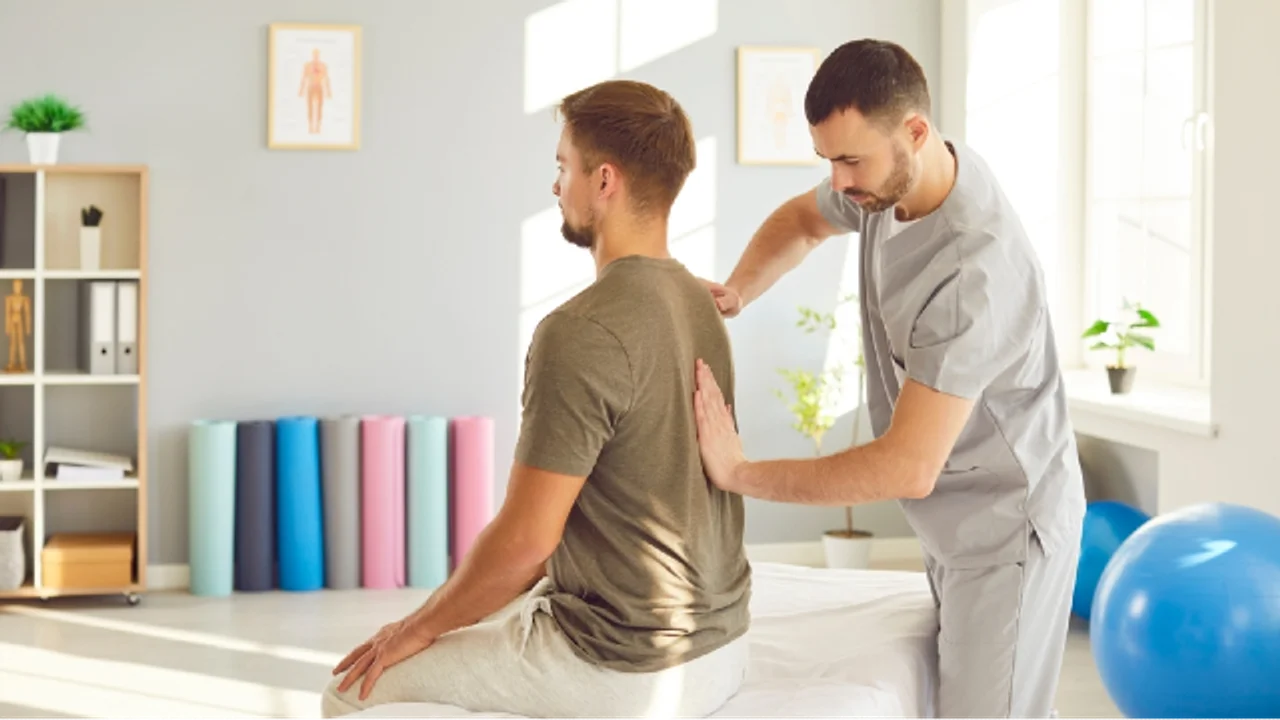
The Spinal Alignment Restoration Therapy or SART is a specialized protocol developed to address the specific mechanical failures associated with spinal stenosis. Unlike general chiropractic care or standard physical therapy SART focuses on the deep structural decompression of the spinal canal. This is a highly targeted spinal stenosis non surgical treatment that utilizes both manual techniques and specialized equipment to create lasting change in the architecture of the spine.
The Science Of SART Structural Decompression Stenosis Therapy
SART structural decompression stenosis therapy works by utilizing mechanical leverage to gently pull the vertebrae apart and realign the spine. In a stenotic spine the vertebrae are often compressed and tilted which causes the ligaments to buckle inward into the canal. By applying precise force we can stretch these ligaments and encourage the discs to return to a more central position. This process creates more volume within the spinal canal giving the nerves the room they need to transmit signals without interference.
This is not a one size fits all approach. Each SART session is tailored to the specific level of narrowing found in the patient. For someone with L4 L5 stenosis the focus will be on opening that specific segment while ensuring the pelvis and upper back are balanced to support the new alignment. This mechanical decompression is essential for a spinal stenosis non surgical treatment because it addresses the physical reality of the narrowing. You cannot simply exercise away a bone spur or a thickened ligament but you can change the structural relationship between the bones to create more space.
Space Spinal Correction Creating Room For The Nerves
The concept of Space therapy is central to SART. In Korean medicine we believe that the flow of energy and blood is dependent on the structural integrity of the body. When the spinal canal narrows it creates a blockage not just for the nerves but for the vital fluids that nourish the spine. Space spinal correction involves specific manual techniques that move the vertebrae in three dimensions. We are not just pushing the spine left or right we are creating vertical height and horizontal width within the canal.
More Medical Articles
Continue reading clinical insights from Banpo Newborn Korean Medicine Clinic.

Why Seoul is the Global Hub for Minimally Invasive Vertigo Treatment
Dizziness and vertigo are among the most common reasons for hospital visits in South Korea, affecting nearly 16.7% of the adult population annually according to the Korea National Health and Nutrition Examination Survey (KNHANES).
Learn More

Tinnitus Relief in Seoul: Multidisciplinary Upper Cervical Care
For many, the sound of silence is replaced by a persistent ringing, buzzing, or hissing. In South Korea, this is more than an individual annoyance; it is a significant public health trend.
Learn More

Success Rates of SART for OPLL Compared to Standard Laminectomy in Korea
The prevalence of Ossification of the Posterior Longitudinal Ligament (OPLL) in East Asian populations, particularly in South Korea, is significantly higher than in Western countries, affecting approximately 2% to 4% of the population according to nationwide...
Learn More