SART Whole-Body Spinal Alignment, Chuna Therapy & International Patient Concierge
30+ Years Clinical Experience
en-US

Korean Medicine Guide
Struggling with Shoulder Stiffness? Get Relief Without Injections
Struggling with shoulder stiffness? Discover effective non-injection treatments, fast pain relief, and lasting mobility improvement.
Schedule a ConsultationStruggling with Shoulder Stiffness? Get Relief Without Injections
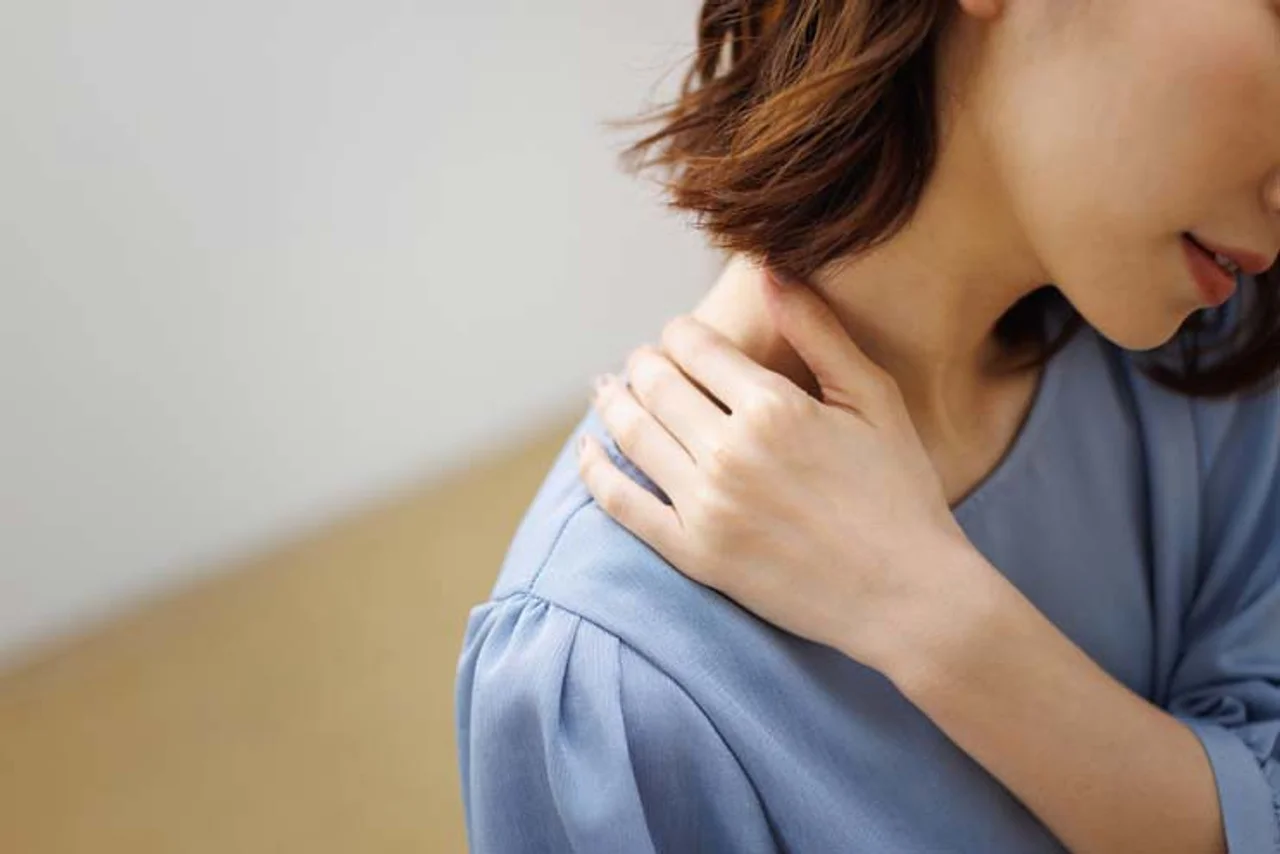
If you’ve been dealing with persistent shoulder stiffness—whether it hits you when you wake up in the morning or after long hours at your desk—you’re far from alone. At Banpo Newborn Korean Medicine Clinic here in Seoul, we see countless patients who arrive worried that their only choices are injections, painkillers, or simply “living with it.”
But the truth is this:
most shoulder stiffness is not a shoulder problem alone.
It’s a spinal and postural issue that gradually shows up in the shoulders.
To be honest, many people don’t realize how deeply the spine influences shoulder mobility. The shoulder joint is one of the most complex joints in the body, but its freedom depends heavily on the balance of the cervical spine, upper thoracic spine, ribs, and even the pelvis. When these regions become misaligned, stiff, or rotated, the shoulder ends up compensating—and over time, that compensation becomes pain and immobility.
The good news is that you don’t need injections to restore healthy movement. With the right structural correction and soft-tissue care, the shoulder can recover naturally and steadily.
In this article, we’ll explain why shoulder stiffness happens, how spinal and postural imbalances affect the shoulder more than most people realize, and how non-invasive Korean medicine treatments—like Chuna therapy and Banpo Newborn’s Spinal Alignment Restoration Therapy (SART)—provide long-lasting relief.
Why Shoulder Stiffness Happens: More Than “Just Aging”
Shoulder stiffness often creeps up gradually. You might first notice it when reaching for something on a high shelf. Later, drying your hair becomes harder. Eventually, even turning the steering wheel or sleeping on your side becomes uncomfortable.
Most patients assume:
“Maybe I slept wrong.”
“I’m getting older.”
“It’s probably inflammation.”
But stiffness isn’t just random. It usually develops from several interconnected issues:
1. Forward Head Posture and Rounded Shoulders
Modern life pushes us into a posture where the head sits forward and the shoulders roll inward. This posture compresses the upper back and tightens the chest muscles. As a result, the shoulder blades lose stability, and the shoulder joint becomes stiff and restricted.
2. Cervical and Upper Thoracic Misalignment
When the upper spine shifts or rotates even slightly, the muscles around the neck and shoulder girdle become imbalanced. One side works harder, the other weakens. Over time, this imbalance leads to stiffness, loss of range of motion, and deep, aching pain.
At our clinic, we often compare this to a tree with a bent trunk.
If the trunk twists, the branches compensate—and eventually, they strain.
3. Stress and Muscle Guarding
People underestimate how often shoulder stiffness is actually stress in disguise. In Korea, especially among office workers, the habit of clenching shoulders while concentrating or commuting is extremely common. Muscle guarding becomes chronic, tightening the neck, trapezius, and rotator cuff.
4. Old Injuries That Never Fully Healed
Even a small past injury—like lifting something too heavy, a minor accident, or sleeping in an awkward position—can trigger long-term mechanical changes in the shoulder and spine.
5. Poor Breathing Patterns
It surprises many patients when we explain that shallow breathing increases shoulder stiffness. When the ribs and diaphragm do not move well, the shoulder blades cannot glide naturally.
Why Injections Often Don’t Solve the Root Cause

Many patients come to us after receiving temporary relief from steroid or analgesic injections. Some feel better for a few days or weeks, but the stiffness returns.
This is because an injection:
reduces inflammation
reduces pain
does not correct alignment or movement dysfunction
If your cervical spine is rotated, your thoracic segments are compressed, or your scapula is not tracking smoothly, no medication can permanently fix those mechanical problems.
Think of it like applying oil to a squeaky door without checking whether the door is hanging crooked on its hinges. The noise may quiet briefly, but the underlying issue remains.
At Banpo Newborn, the philosophy is simple:
Pain is a message—not the problem.
We look for the structural misalignments behind the pain so your body can heal naturally.
How Misalignment in the Spine Causes Shoulder Stiffness
To help patients understand this more clearly, Dr. Ungjin Im often uses a comparison:
A house with an uneven foundation causes doors to stick and windows to jam.
Your spine is your body’s foundation. When it tilts, rotates, or compresses, the shoulder—one of the most mobile joints in the body—absorbs the consequences.
How It Works Anatomically
Cervical Spine (Neck) Misalignment
Misaligned cervical vertebrae irritate nerves that control shoulder muscles, limiting strength and mobility.Upper Thoracic Stiffness
A rigid upper back prevents the shoulder blade from rotating upward. This makes lifting your arm above shoulder level painful and difficult.Scapular Instability
When the shoulder blade doesn’t stay in the right position, the rotator cuff becomes overworked. Stiffness follows.Ribcage Restriction
Ribs that don’t move freely lock the shoulder into a limited range.
This entire chain makes the shoulder feel stiff, sore, and immobile—even if the shoulder joint itself is structurally normal.
Non-Invasive Korean Medicine Treatments for Shoulder Stiffness
At Banpo Newborn Korean Medicine Clinic, we focus on restoring natural movement through a combination of advanced manual therapy, structural correction, and gentle rehabilitation.
1. Spinal Alignment Restoration Therapy (SART)
This is one of the signature techniques developed by Dr. Im over decades of practice. SART targets the subtle rotations and compressions in the spine that most imaging tests cannot detect.
Patients often describe the experience as “feeling my body return to its original position.”
By restoring balance through precise, comfortable adjustments, SART:
relieves neck tension
decompresses the thoracic spine
stabilizes the shoulder blades
improves natural movement patterns
In many cases, patients report improved shoulder mobility within the first few sessions simply because the spine starts to move correctly again.
2. Spatial Spinal Correction
This technique views the spine in three dimensions, addressing not just forward/backward imbalance but rotational and lateral deviations. It is especially effective for:
chronic shoulder stiffness
postural imbalance
asymmetrical shoulders
office-worker neck and shoulder pain
Correcting spatial distortion in the spine allows the shoulder joint to move without compensating.
3. Chuna Manual Therapy
Chuna is one of Korea’s most respected forms of manual medicine. At Banpo Newborn, we use a modern, refined version focused on safe, gentle, and precise adjustments.
Chuna helps:
loosen overly tight shoulder and neck muscles
realign the shoulder girdle
free the shoulder blade
restore rhythm between the neck, ribs, and shoulders
Patients often say, “My shoulders feel lighter,” right after treatment.
4. TMJ and Cervical Harmony Treatment
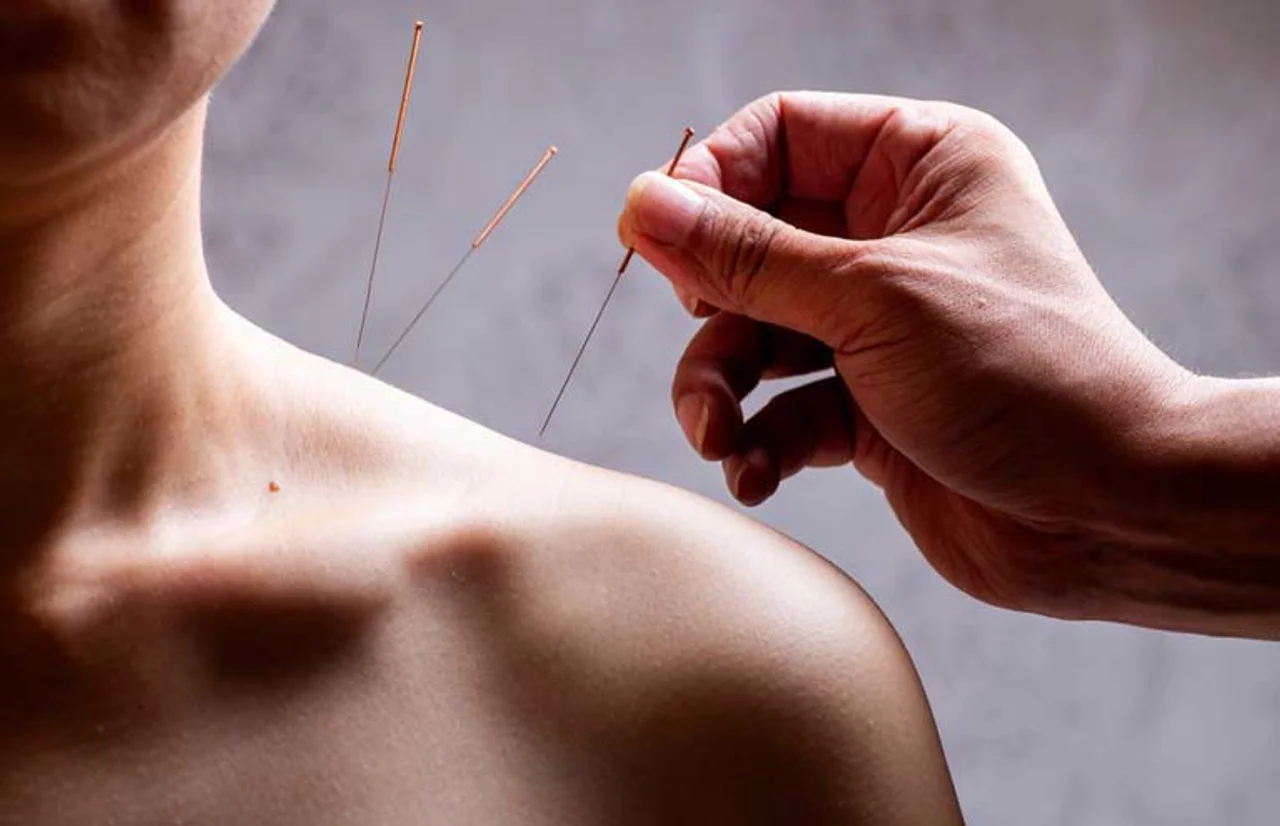
Many people don’t realize that TMJ (jaw) tension contributes to neck and shoulder stiffness. If the jaw muscles are tight, the neck becomes rigid, and the shoulder loses fluidity.
By addressing TMJ imbalance, we often see surprisingly rapid improvements in shoulder stiffness.
5. Personalized Rehabilitation Exercises
We provide patients with simple, customized exercises—often 5 minutes per day—that reinforce the corrections made during treatment. These exercises strengthen weak muscles, stabilize the shoulder blades, and improve posture without strain.
One of our patients, a 42-year-old office worker, visited us after struggling with shoulder stiffness for three years. He had tried injections twice, physical therapy, and even acupuncture at multiple clinics. Nothing lasted.
During his first evaluation, we discovered:
his neck was rotated left
his upper back was compressed
his right shoulder blade was tilting outward
his rib mobility was restricted
His shoulder stiffness wasn’t a shoulder problem—it was the result of years of postural collapse.
After four weeks of SART, Chuna therapy, and targeted exercises, he reported:
“My shoulder feels like it’s finally moving again.”
“I can sleep on my side now without pain.”
“The stiffness I thought was due to aging is basically gone.”
Cases like his are common. When the root cause is addressed, the body responds remarkably well.
What You Can Do Today to Ease Shoulder Stiffness
Even before visiting a clinic, there are steps you can take to support your shoulder health.
1. Open Your Chest Daily
Many people think stretching the shoulder helps, but opening the chest is even more important. Gentle chest opening reduces internal rotation of the shoulders.
2. Improve Your Breathing
Slow, deep breaths expand the ribcage and restore natural movement between the ribs, spine, and shoulder blades.
3. Move Your Shoulder Blades, Not Just Your Arms
Healthy shoulder movement begins at the scapula. Try slow shoulder blade circles, focusing on smooth, controlled motion.
4. Manage Desk Posture
Lift your monitor, relax your shoulders, and support your lower back. Even small changes significantly reduce tension.
If stiffness persists, it often means spinal misalignment needs professional correction—which is where we can help.
When to Consider Professional Non-Invasive Care
You should seek professional evaluation if:
More Medical Articles
Continue reading clinical insights from Banpo Newborn Korean Medicine Clinic.

Why Seoul is the Global Hub for Minimally Invasive Vertigo Treatment
Dizziness and vertigo are among the most common reasons for hospital visits in South Korea, affecting nearly 16.7% of the adult population annually according to the Korea National Health and Nutrition Examination Survey (KNHANES).
Learn More

Tinnitus Relief in Seoul: Multidisciplinary Upper Cervical Care
For many, the sound of silence is replaced by a persistent ringing, buzzing, or hissing. In South Korea, this is more than an individual annoyance; it is a significant public health trend.
Learn More

Success Rates of SART for OPLL Compared to Standard Laminectomy in Korea
The prevalence of Ossification of the Posterior Longitudinal Ligament (OPLL) in East Asian populations, particularly in South Korea, is significantly higher than in Western countries, affecting approximately 2% to 4% of the population according to nationwide...
Learn More