SART Whole-Body Spinal Alignment, Chuna Therapy & International Patient Concierge
30+ Years Clinical Experience
en-US

Korean Medicine Guide
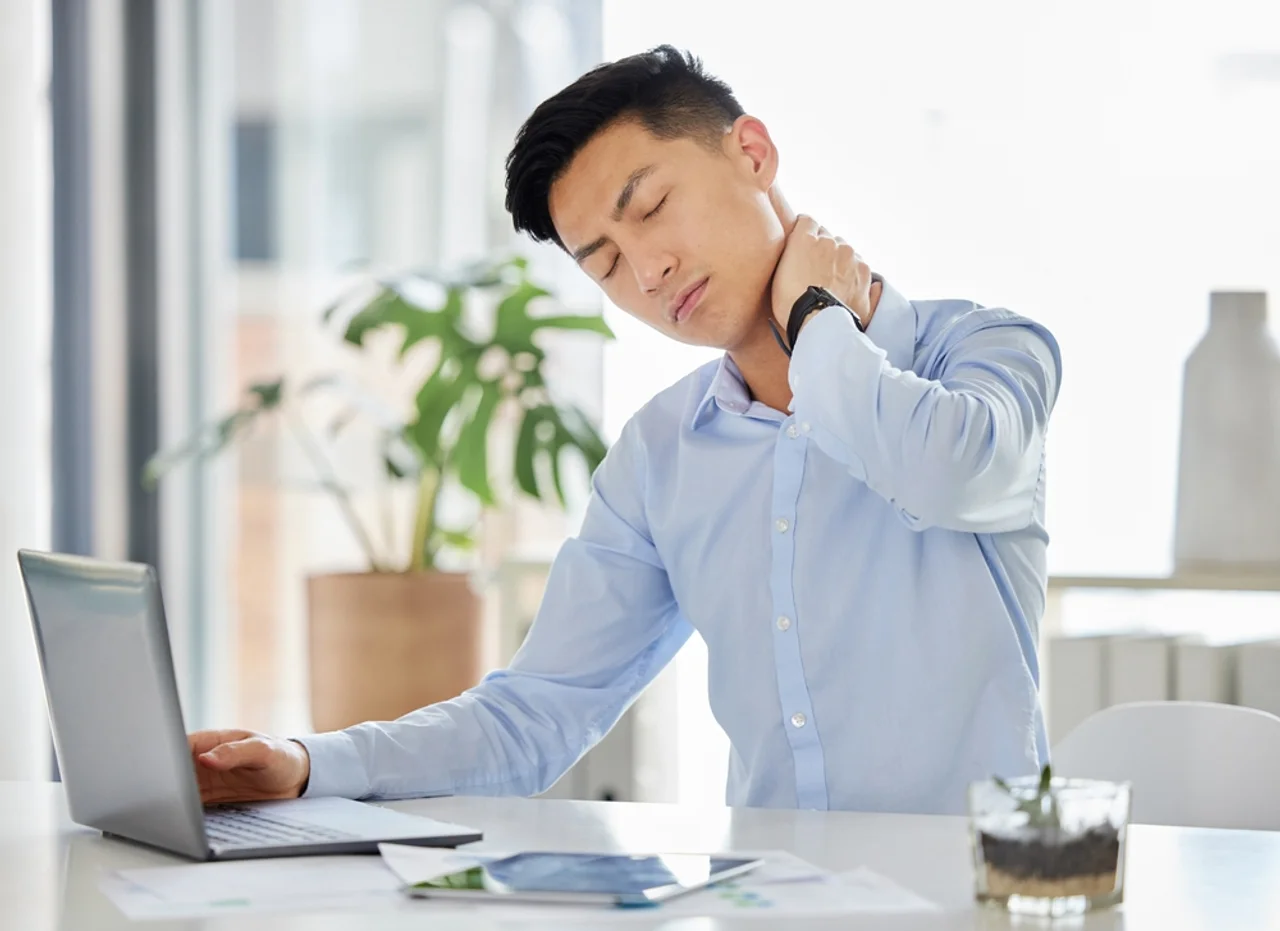
The Link Between Neck Stiffness and Chronic Headache – What You Didn’t Know
Discover the hidden link between neck stiffness and chronic headaches, their causes, and proven relief strategies you didn’t know.
Schedule a Consultation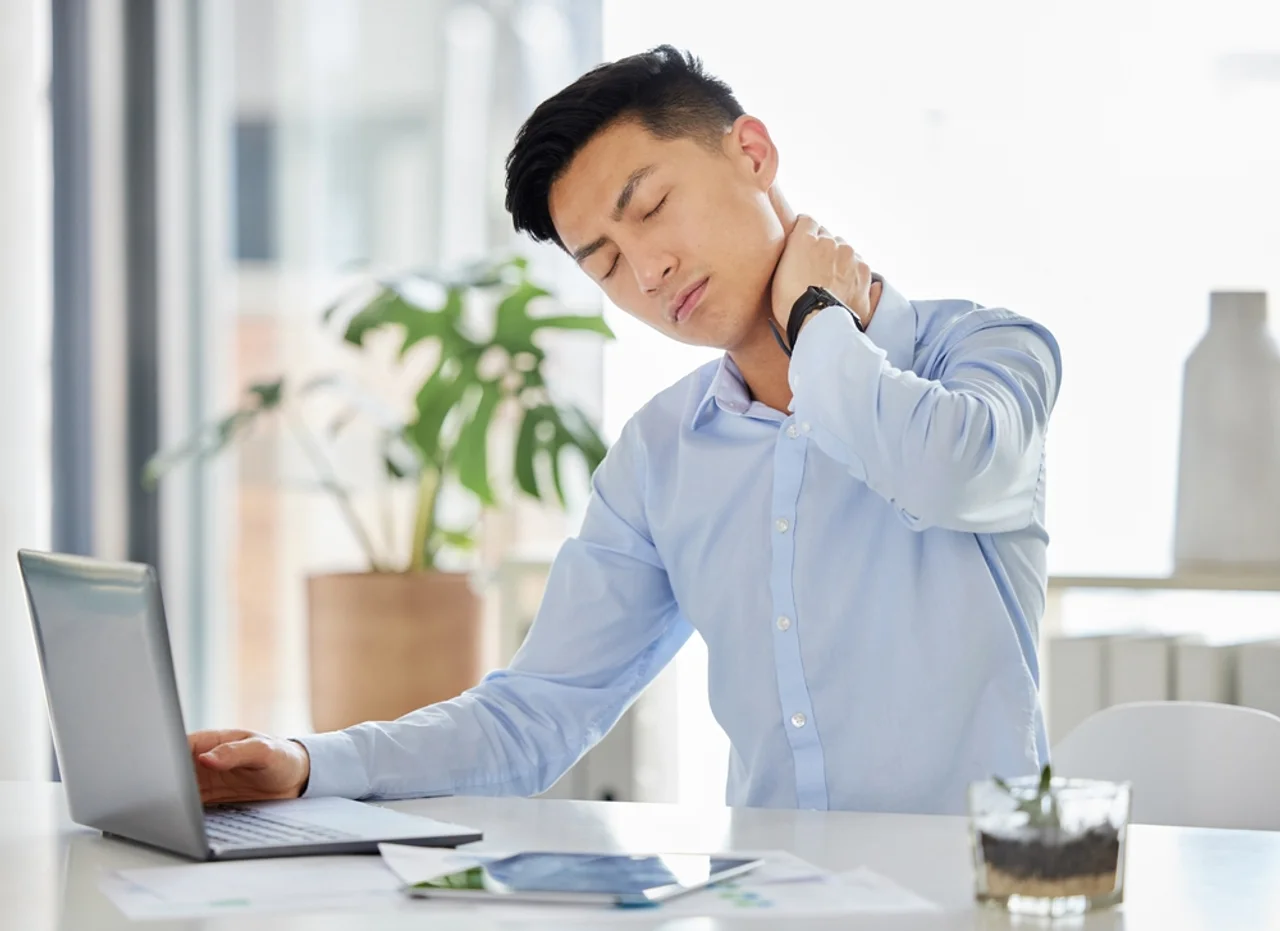
Have you ever woken up with neck stiffness that slowly turns into a chronic headache by mid-day? Maybe you massage your temples, take a painkiller, and get on with work—only for the ache to return the next morning. To be honest, many people don’t realize how often the neck is the real driver of their headaches. At Banpo Newborn Oriental Medical Clinic in Banpo, Seoul, we see this every day: when the cervical spine is tight or poorly aligned, the head pays the price.
This guide explains the neck–headache connection in clear language and shows how our non-surgical, whole-body approach—guided by Dr. Ungjin Im—helps patients break the cycle. If you’ve been living with recurring pain, you’re not stuck. With precise assessment, gentle correction, and simple daily habits, relief is absolutely possible.
Why neck stiffness so often becomes a headache
Your neck is not just a stack of bones; it’s a dynamic bridge between the body and the brain. When the deep muscles around the upper cervical spine tense up, they can irritate joints and compress small nerves that share pathways with the sensory system of the face and head. That’s why Neck ache can travel upward and present as Headache or even Chronic Headache behind the eyes, at the base of the skull, or around the temples.
Common contributors we see at our clinic:
Forward head posture from long hours on screens. The head shifts centimeters forward, loading the facet joints and straining suboccipital muscles.
Guarding after a flare of Back pain or Lower back pain. When the pelvis or lumbar spine is irritated (think Lumbar pain, Disc Herniation/Herniated Disc/Slipped Disc, or Lumbar Spinal Stenosis), the neck often compensates, growing stiff to stabilize the whole chain.
Jaw involvement (TMJ). The Temporomandibular Joint (TMJ), neck, and skull base function as a team. TMJ overload can quietly fuel TMJ Syndrome, TMJ Disorder, and headache.
Protective patterns like Torticollis or Wry Neck, and even Dystonia/Muscle Dystonia-type presentations where muscles misfire and hold the head in asymmetry.
When these patterns persist, the result is predictable: Neck pain, Shoulder pain, Shoulder stiffness, and recurring headaches that may also be accompanied by Tinnitus or a sense of pressure.
What we observe in everyday life in Korea
Most of our patients work in desk-based roles or study long hours. It’s common to alternate between laptop, phone, and tablet without true breaks. Add commuting, stress, and sleep debt, and the body takes shortcuts: the rib cage tightens, breath shallows, the upper back rounds, and the neck stiffens to “keep you upright.” Over time, this can manifest as:
Morning neck stiffness that transitions into a headache after a few hours of work
Frozen shoulder-like symptoms from protective shoulder elevation
Pelvic pain, Pelvic discomfort, or hip pain as posture compensates from the ground up
Worsening headaches with stress, jaw clenching, or long phone use
The good news? Small, precise changes can have outsized effects.
Not all headaches are “just headaches”: When to get checked
While most neck-related headaches respond well to conservative care, certain signs need prompt evaluation:
Sudden, severe headache unlike your usual pattern
Neurological symptoms (weakness, numbness, slurred speech, vision loss)
Fever, unexplained weight loss, or head pain after significant trauma
If any of these apply, seek medical care immediately. Otherwise, a thorough cervical and TMJ evaluation is an excellent starting point.
Our clinical approach at Banpo Newborn Oriental Medical Clinic
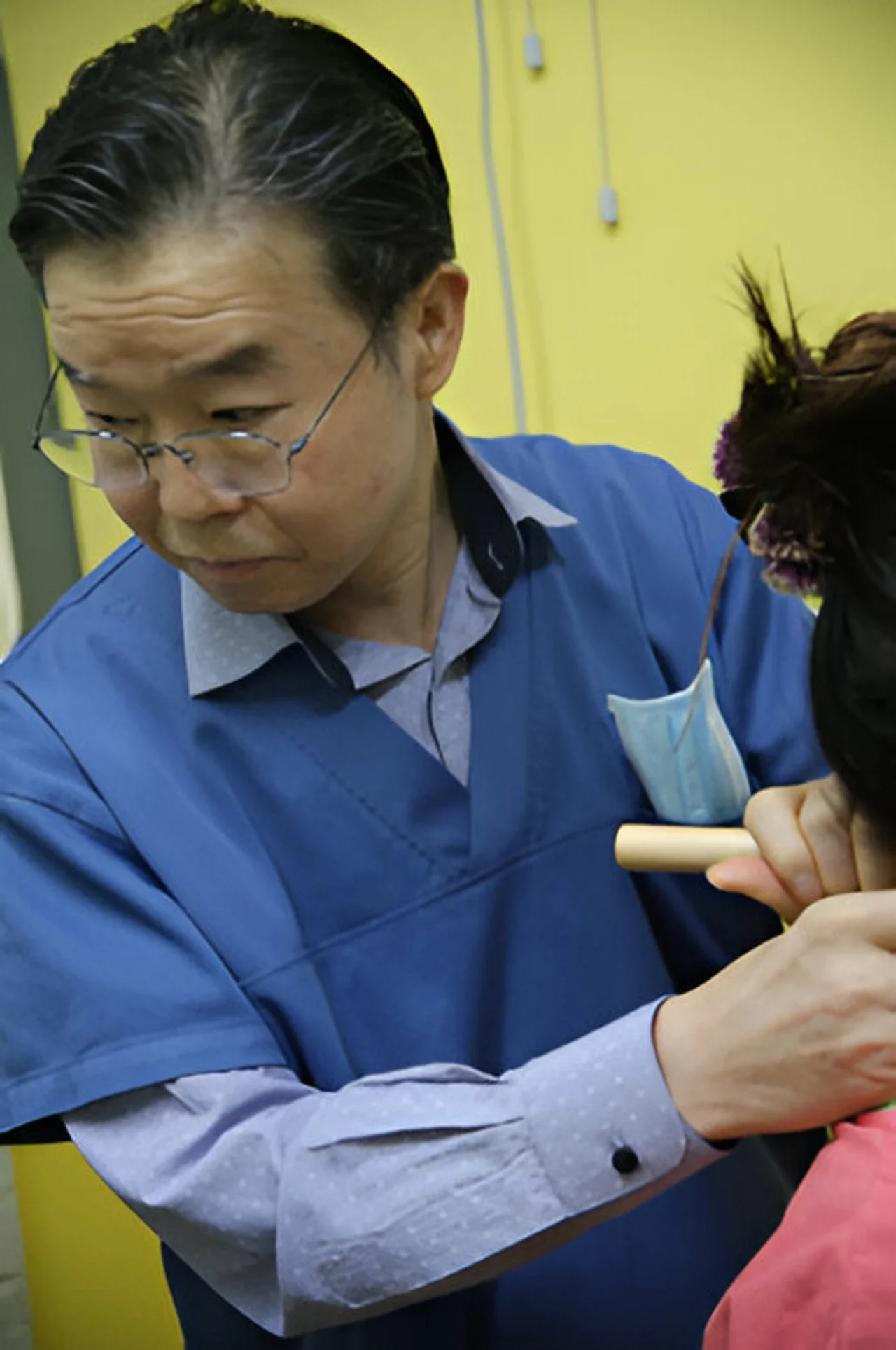
Hospital name: Banpo Newborn Oriental Medical Clinic
Doctor’s name: Dr. Ungjin Im
Location: Banpo, Seoul, South Korea
For more than 30 years, our clinic has specialized in non-surgical spinal and TMJ care. Our philosophy is simple: precise spinal alignment restores natural ease in the body. Here’s how we apply that philosophy to neck stiffness and chronic headache.
1) Root-cause evaluation
We begin with a detailed history and movement assessment:
Postural mapping: head–neck alignment, rib cage position, scapular control, pelvic orientation.
Cervical joint testing: which segments are stiff or irritated; how the atlanto-occipital region behaves.
TMJ screening: bite patterns, clenching, jaw deviation on opening.
Neurological checks: reflexes, sensation, nerve tension tests when needed.
Imaging review: if you have X-rays or MRI—especially for Spinal Stenosis, Lumbar Spinal Stenosis, or Disc Herniation—we interpret them in context.
2) Spinal Alignment Restoration Therapy (SART)
Refined in our clinic under Dr. Ungjin Im, Spinal Alignment Restoration Therapy (SART) is a gentle, highly targeted method to reduce segmental compression and restore neutral alignment. For neck-related headaches, SART focuses on:
Decongesting the upper cervical joints that trigger headache referral
Calming deep neck flexor/extensor imbalance
Re-centering the head over the rib cage so the neck no longer “holds” your posture alone
Patients describe the work as light yet deeply relieving—more like guided release than forceful manipulation.
3) Spatial spinal correction with Chuna therapy
We combine SART with spatial spinal correction, addressing front–back tilt, side shift, and rotation together. Layered on this is Chuna manual therapy, a Korean medicine technique for joint play and fascial continuity. By restoring the way the neck, upper back, and jaw share load, pain diminishes and movement becomes effortless. When appropriate, we integrate acupuncture, herbal medicine, moxibustion, and cupping to reduce local inflammation and muscle guarding.
4) TMJ harmonization
Because TMJ Disorder often fuels Chronic Headache, we normalize jaw mechanics:
Soft-tissue release for pterygoids and masseters
Joint decompression techniques
Bite and breathing education to reduce clenching patterns
Even subtle improvements in TMJ function can significantly reduce headache frequency.
5) Neuromuscular re-training you can actually do
Home care must be simple or it won’t happen. We prescribe 2–3 drills that take minutes:
Suboccipital decompression breathing while lengthening the back of the neck
Scapular setting to share the workload with the mid-back, easing upper cervical strain
Gentle jaw–neck coordination to ingrain TMJ and cervical synergy
We also coach lifestyle “micro-wins”: screen height, break timing, pillow selection, and desk ergonomics.
How this relates to our specialty in non-surgical spinal care
Many headache patients also carry lower spine or pelvic burdens. Our specialty—How Banpo Newborn Korean Medicine Clinic Treats Spinal Stenosis Without Surgery—matters here because persistent Lumbar Spinal Stenosis or Herniated Disc often changes posture from the ground up. People lean, brace, or shorten their stride; the neck tightens to compensate, and headaches follow.
By addressing the whole axis—pelvis → lumbar → thoracic → cervical → TMJ—we relieve the upstream neck load. If your headaches flare after standing or walking due to Spinal Stenosis, for example, decompression strategies and gait re-education can reduce both Lower back pain and head pain in one plan.
Service name examples at our clinic:
Spinal Alignment Restoration Therapy (SART)
Spatial spinal correction
Chuna manual therapy
Acupuncture and moxibustion
Targeted herbal support
TMJ-focused care
Personalized neuromuscular re-training
Conditions commonly linked with neck-driven headaches
At Banpo Newborn Korean Medicine Clinic, we routinely evaluate and co-manage:
Neck pain, Neck stiffness, Neck ache
TMJ Syndrome/TMJ Disorder with clenching or jaw deviation
Shoulder pain, Shoulder stiffness, Frozen shoulder from protective patterns
Scoliosis influencing head tilt or rib rotation
Torticollis/Wry Neck, and Dystonia/Muscle Dystonia-like holding patterns
Backache, Lower back pain, Lumbar pain, Pelvic pain, Pelvic discomfort, hip pain
Disc Herniation, Herniated Disc, Slipped Disc
Spinal Stenosis and Lumbar Spinal Stenosis
Tinnitus, Headache, Chronic Headache
Not every case is caused by the neck alone—but the neck is involved more often than most people realize.
What a first session looks like
Booking your first session is straightforward and focused on clarity:
Conversation: We listen—how your headaches behave, what worsens them, when they ease.
Assessment: Posture, movement, cervical/TMJ joint mechanics, breathing patterns.
Plan: We explain the most likely drivers (e.g., upper cervical facet irritation with TMJ overload) and map a stepwise plan.
First treatment: Usually SART + spatial correction + Chuna therapy, with 1–2 home drills to start.
Progress markers: Frequency and intensity of headaches, neck range of motion, morning stiffness, desk tolerance.
Most patients notice early changes in “head heaviness,” neck ease, and jaw tension within a few visits. Everyone heals at a different pace; our goal is steady, sustainable change.
Home strategies that help
More Medical Articles
Continue reading clinical insights from Banpo Newborn Korean Medicine Clinic.

Why Seoul is the Global Hub for Minimally Invasive Vertigo Treatment
Dizziness and vertigo are among the most common reasons for hospital visits in South Korea, affecting nearly 16.7% of the adult population annually according to the Korea National Health and Nutrition Examination Survey (KNHANES).
Learn More

Tinnitus Relief in Seoul: Multidisciplinary Upper Cervical Care
For many, the sound of silence is replaced by a persistent ringing, buzzing, or hissing. In South Korea, this is more than an individual annoyance; it is a significant public health trend.
Learn More

Success Rates of SART for OPLL Compared to Standard Laminectomy in Korea
The prevalence of Ossification of the Posterior Longitudinal Ligament (OPLL) in East Asian populations, particularly in South Korea, is significantly higher than in Western countries, affecting approximately 2% to 4% of the population according to nationwide...
Learn More