SART Whole-Body Spinal Alignment, Chuna Therapy & International Patient Concierge
30+ Years Clinical Experience
en-US

Korean Medicine Guide
The Rise of TMJ Disorder Among Office Workers – What You Can Do
Jaw pain and TMJ disorder are growing issues for office workers. Explore causes, warning signs, and practical solutions for lasting relief.
Schedule a ConsultationThe Rise of TMJ Disorder Among Office Workers – What You Can Do
By Banpo Newborn Korean Medicine Clinic, Banpo, Seoul
Have you ever caught yourself clenching your teeth during a stressful workday—only to notice a dull ache around your jaw by evening? If so, you’re not alone. TMJ disorder, once considered a niche condition, has rapidly become one of the most common complaints among office workers in Korea and worldwide. At our clinic in Banpo, we’ve witnessed a noticeable rise in patients who walk in not because of back or neck pain—our traditional core areas of care—but because their jaw simply “doesn’t feel right anymore.”
To be honest, many people don’t realize how much of their daily discomfort is tied to TMJ dysfunction. It isn’t just a jaw problem. It affects the entire body—from posture to breathing to sleep quality. And for office workers who spend long hours in static, stress-heavy environments, the perfect storm for TMJ issues is already in place.
In this article, I’d like to explain why TMJ disorders are increasing among office professionals, what symptoms you shouldn’t ignore, and how holistic corrections—including Korean medical treatments like Chuna therapy and precision spinal alignment—can provide long-term relief. Whether you’re currently experiencing symptoms or hoping to prevent them, understanding your TMJ health is an important step toward whole-body wellness.
What Exactly Is TMJ Disorder?
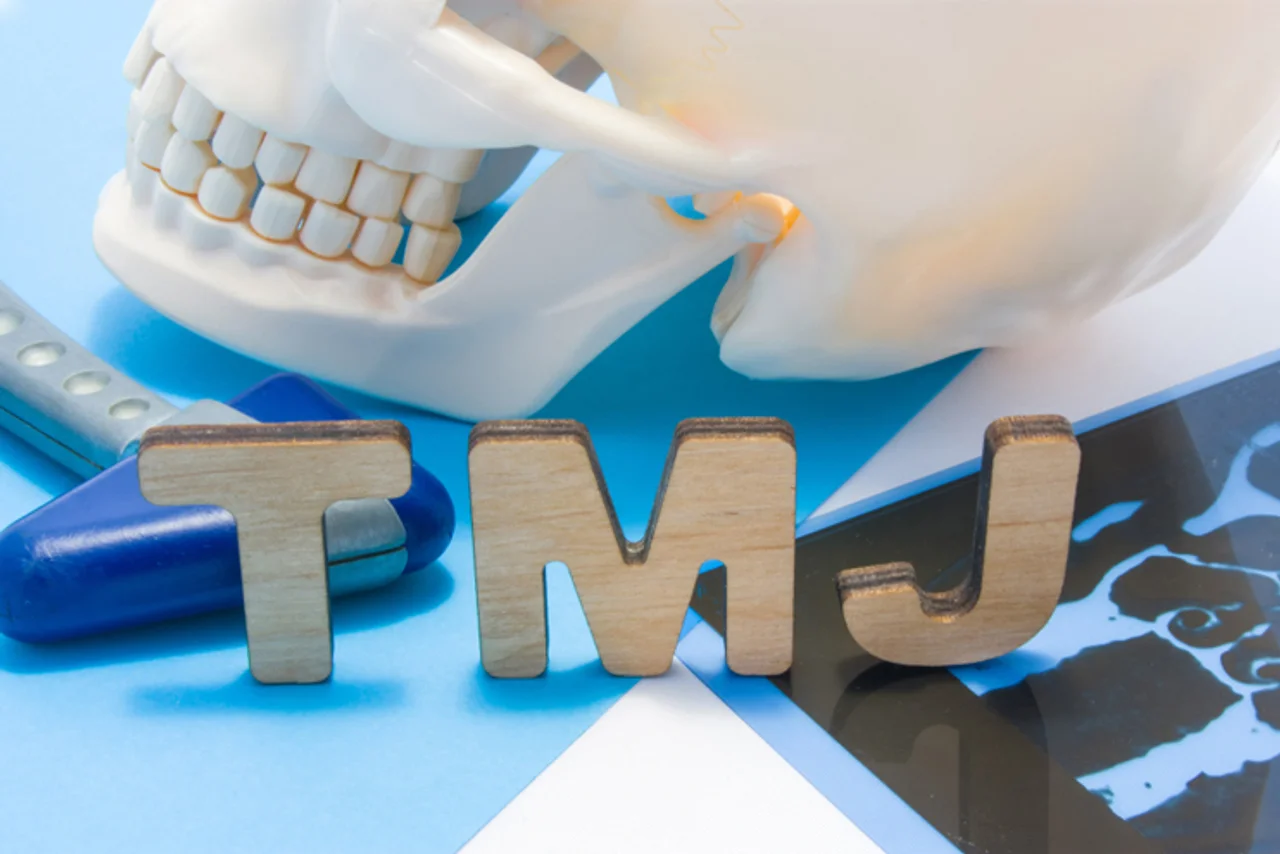
The TMJ (temporomandibular joint) is one of the most complex joints in the body. It acts like a sliding hinge connecting your jawbone to your skull, enabling essential activities such as chewing, speaking, yawning, and even expressing emotion. Because of its structural intricacy, the TMJ depends on perfect harmony among muscles, ligaments, discs, and bones.
When something disrupts this balance—such as chronic stress, misaligned posture, teeth grinding, or even subtle spinal imbalances—the joint becomes strained. This condition is known as TMJ disorder (TMD).
Typical symptoms include:
Jaw clicking or popping
Pain around the jaw, temples, or cheeks
Difficulty opening or closing the mouth
Headaches (especially tension-type headaches)
Neck and shoulder stiffness
Ear congestion, ringing, or dizziness
Facial fatigue
What surprises many patients is that TMJ symptoms often aren’t localized to the jaw at all. A patient might visit us for chronic neck stiffness, migraines, or even misaligned posture—yet the underlying cause ends up being TMJ dysfunction.
Why TMJ Disorders Are Increasing Among Office Workers
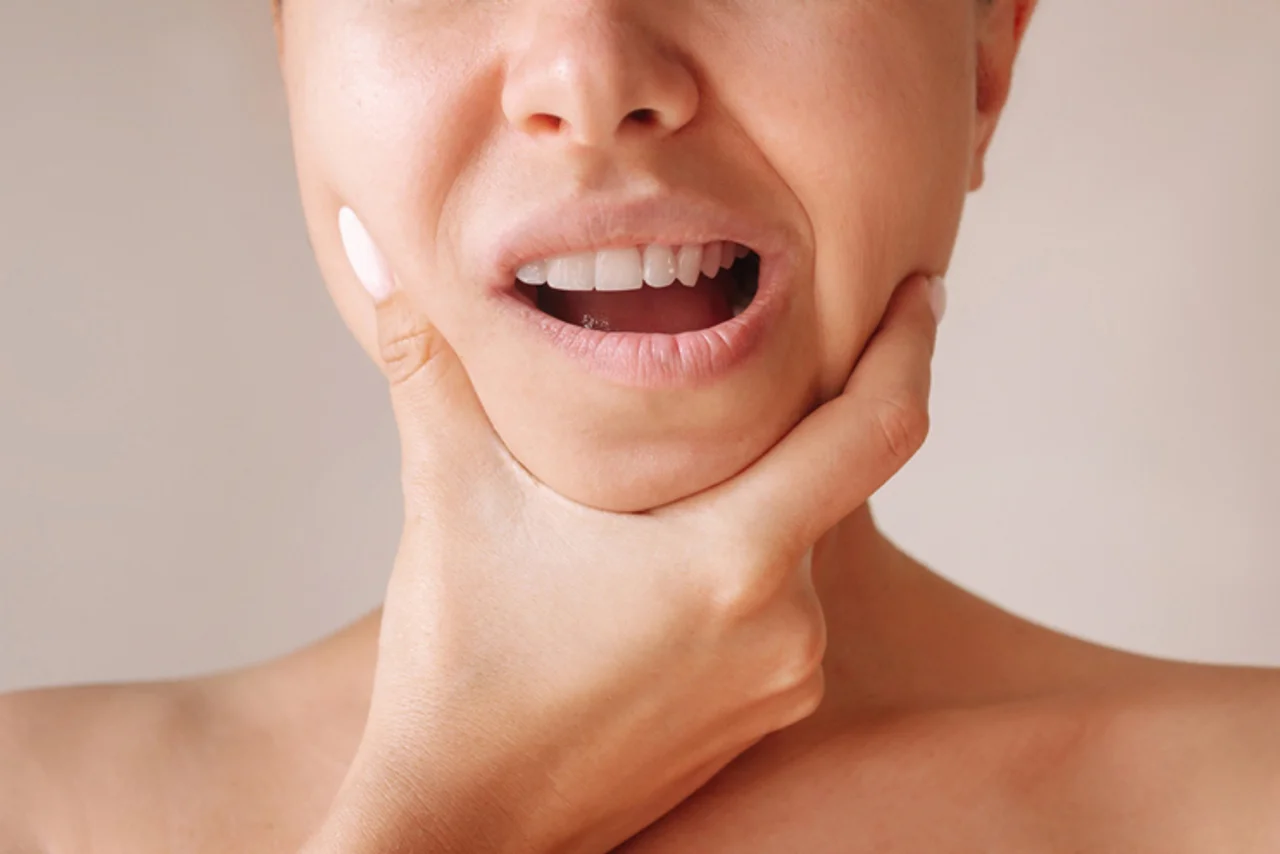
Over the last decade, we’ve seen a clear pattern: more office workers in their 20s, 30s, and early 40s are experiencing TMJ-related discomfort than ever before. A few years ago, most TMD patients were in their late 40s to 60s. Now, even young professionals in their first or second year of employment report jaw pain.
Why the sudden rise? After treating thousands of patients, we’ve identified several patterns that are particularly relevant to the modern office lifestyle.
1. Prolonged Computer Use and Forward Head Posture
Most office workers spend 7–10 hours a day looking at screens. This often results in forward head posture—a condition where the head shifts slightly in front of the shoulders. Even a forward shift of 2–3 centimeters dramatically increases the load on the jaw joint.
Think of the spine as the foundation of a house. If the foundation tilts even slightly, every level above it becomes strained. Similarly, when the neck loses its natural alignment, the jaw muscles must overcompensate to stabilize the head, leading to:
Jaw muscle overuse
Tightness in the temporalis and masseter muscles
Disc displacement inside the TMJ
Many of our patients are surprised when their TMJ pain improves significantly after neck and upper-spine correction. But anatomically, it makes perfect sense.
2. Stress, Deadlines, and Habitual Clenching
Office workers often experience high stress, whether from deadlines, interpersonal pressures, or heavy workloads. One of the body's automatic responses to stress is jaw clenching—a behavior most people aren't even aware of.
At Banpo Newborn, we often hear statements like:
“I don’t grind my teeth.”
“I’m not stressed—I’m just busy.”
“My jaw doesn’t hurt until the evening.”
But when we examine the jaw muscles, the tension is unmistakable. In many cases, the masseter muscles are so tight that they feel like stones beneath the skin.
Stress doesn’t just cause muscular tension. It also disrupts the coordination between the jaw and neck, making TMJ alignment more vulnerable.
3. Poor Posture From Mobile Devices
Beyond office hours, many people continue using tablets and phones in bed or while commuting. This creates a posture known as tech neck, where the head tilts downward for extended periods. This posture compresses the jaw joints and strains the surrounding muscles.
In Korea, where public transportation is widely used and smartphone usage is among the highest globally, we see this phenomenon even more frequently.
4. Increased Remote Work Since COVID-19
Remote work environments often lack ergonomic furniture. Many people sit on beds, sofas, or dining chairs for long hours, creating unbalanced spinal positions.
During the pandemic and the years following it, our clinic saw a noticeable spike in TMJ and neck-related complaints. Even after returning to office life, many people retained the poor posture habits developed during remote work.
Symptoms Office Workers Often Overlook
TMJ disorder rarely begins with dramatic symptoms. It usually starts subtly:
A faint clicking when chewing
A slight tightness in the jaw when waking up
Occasional headaches after long meetings
Ear pressure after long work sessions
Shoulder heaviness by the end of the day
Because the symptoms seem “small,” many people ignore them. But these mild signs often signal early dysfunction in the jaw, neck, and upper spine.
If left untreated, TMJ disorders may evolve into:
Chronic facial pain
Locked jaw (inability to fully open the mouth)
Chronic migraines
Postural asymmetry
Sleep disturbances
Worsening scoliosis or cervical straightening
At Banpo Newborn Korean Medicine Clinic, we always emphasize early evaluation. When patients come early, the treatment process is faster, gentler, and far more effective.
How TMJ Disorder Affects the Entire Body
To truly understand TMJ health, we must view it not as an isolated joint, but as part of a larger chain.
The TMJ is directly connected to:
The cervical spine
Cranial nerves
Facial muscles
Breathing patterns
Postural stabilizers
A misalignment in the jaw can pull the muscles around the neck out of balance. Likewise, instability in the cervical spine can pull the jaw joint into improper motion.
One of the most meaningful insights Dr. Ungjin Im often shares is:
“The jaw and neck move together like dancers.
If one loses rhythm, the other stumbles.”
This is why holistic treatment—not isolated jaw therapy—is essential for lasting TMJ improvement.
How We Treat TMJ Disorder at Banpo Newborn Korean Medicine Clinic
For over 30 years, our clinic has specialized in treating musculoskeletal disorders through non-surgical, precise spinal realignment. With TMJ patients, we use a multifaceted approach that addresses the root cause rather than just offering temporary relief.
Here are the key treatment methods we commonly use.
1. Spatial Spinal Correction for Jaw–Neck Harmony
The cervical spine plays a direct role in jaw alignment. If the upper cervical vertebrae are rotated or tilted, the TMJ often compensates, leading to uneven wear and muscular imbalance.
Spatial spinal correction—developed and refined at our clinic—allows us to gently realign the neck and upper spine, restoring natural balance. Many patients experience immediate relief in jaw tension after correcting the cervical spine.
This method is particularly effective for office workers whose posture has collapsed from long hours at a desk.
2. Spinal Alignment Restoration Therapy (SART)
SART is one of Dr. Im’s signature therapeutic frameworks. It addresses:
Postural asymmetry
Pelvic imbalance
Deep muscular tension
Chronic structural misalignment
You may wonder, “What does the pelvis have to do with the jaw?”
Surprisingly, the entire body operates on kinetic chains. If the pelvis is misaligned—even slightly—the spine compensates, affecting shoulder alignment, neck curvature, and finally the TMJ.
Many chronic TMJ cases only improve when we restore proper alignment from the pelvis upward.
3. Chuna Manual Therapy for Muscle and Disc Balance
Chuna therapy is particularly effective for TMJ patients because it:
Releases tight facial and neck muscles
Improves joint mobility
Realigns subtle imbalances
Enhances blood and nerve flow
Patients often say they feel their jaw “unlocking” or “loosening” during treatment. This gentle manual therapy helps restore natural motion and reduces inflammation around the joint.
4. Acupuncture for Pain Relief and Muscle Relaxation

Acupuncture is an evidence-supported treatment for TMJ-related pain and headaches. By targeting specific meridian points, we reduce:
Jaw muscle tension
Stress-induced clenching
Nerve irritation
Facial swelling
For office workers experiencing high stress, acupuncture also helps calm the nervous system, reducing unconscious nighttime teeth grinding.
5. Personalized Home Care Plans
To prevent recurrence, we guide our patients with simple daily habits:
More Medical Articles
Continue reading clinical insights from Banpo Newborn Korean Medicine Clinic.

Why Seoul is the Global Hub for Minimally Invasive Vertigo Treatment
Dizziness and vertigo are among the most common reasons for hospital visits in South Korea, affecting nearly 16.7% of the adult population annually according to the Korea National Health and Nutrition Examination Survey (KNHANES).
Learn More

Tinnitus Relief in Seoul: Multidisciplinary Upper Cervical Care
For many, the sound of silence is replaced by a persistent ringing, buzzing, or hissing. In South Korea, this is more than an individual annoyance; it is a significant public health trend.
Learn More

Success Rates of SART for OPLL Compared to Standard Laminectomy in Korea
The prevalence of Ossification of the Posterior Longitudinal Ligament (OPLL) in East Asian populations, particularly in South Korea, is significantly higher than in Western countries, affecting approximately 2% to 4% of the population according to nationwide...
Learn More