SART Whole-Body Spinal Alignment, Chuna Therapy & International Patient Concierge
30+ Years Clinical Experience
en-US

Korean Medicine Guide
Think You Might Have Torticollis? Here’s What to Do Next
Suspect torticollis? Understand symptoms, causes, and what to do next to get proper diagnosis and fast, effective treatment.
Schedule a ConsultationThink You Might Have Torticollis? Here’s What to Do Next
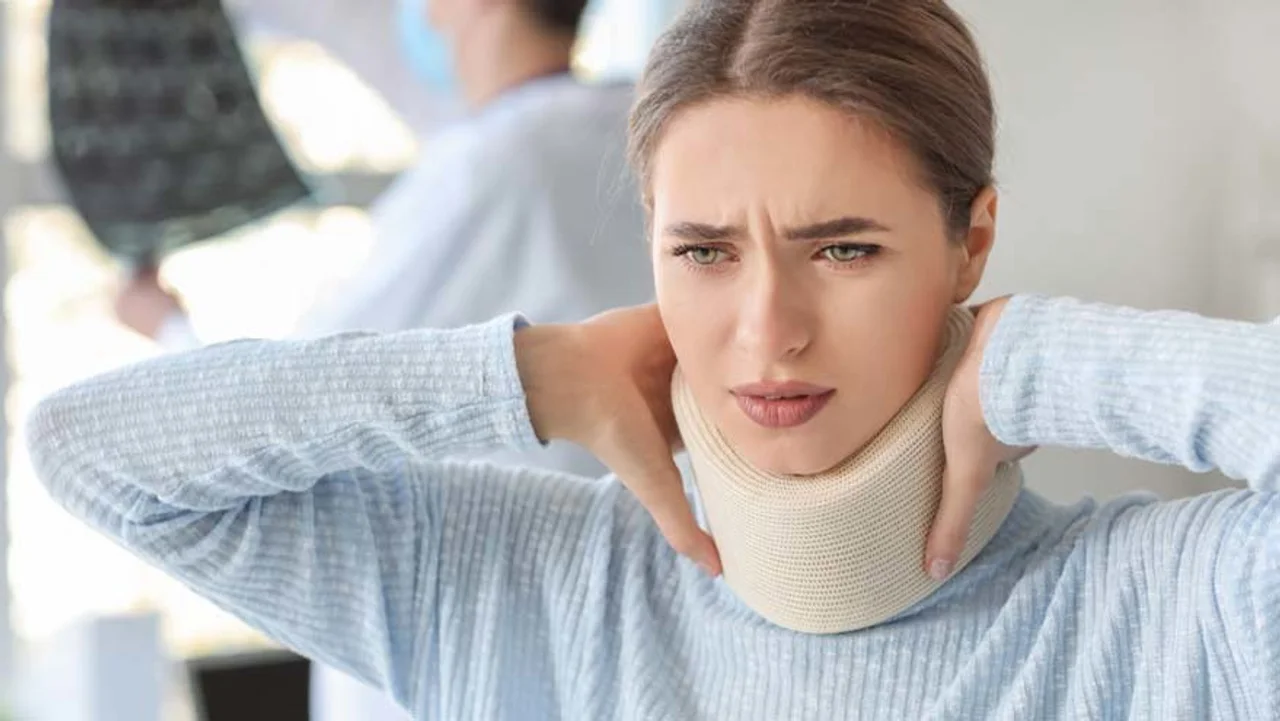
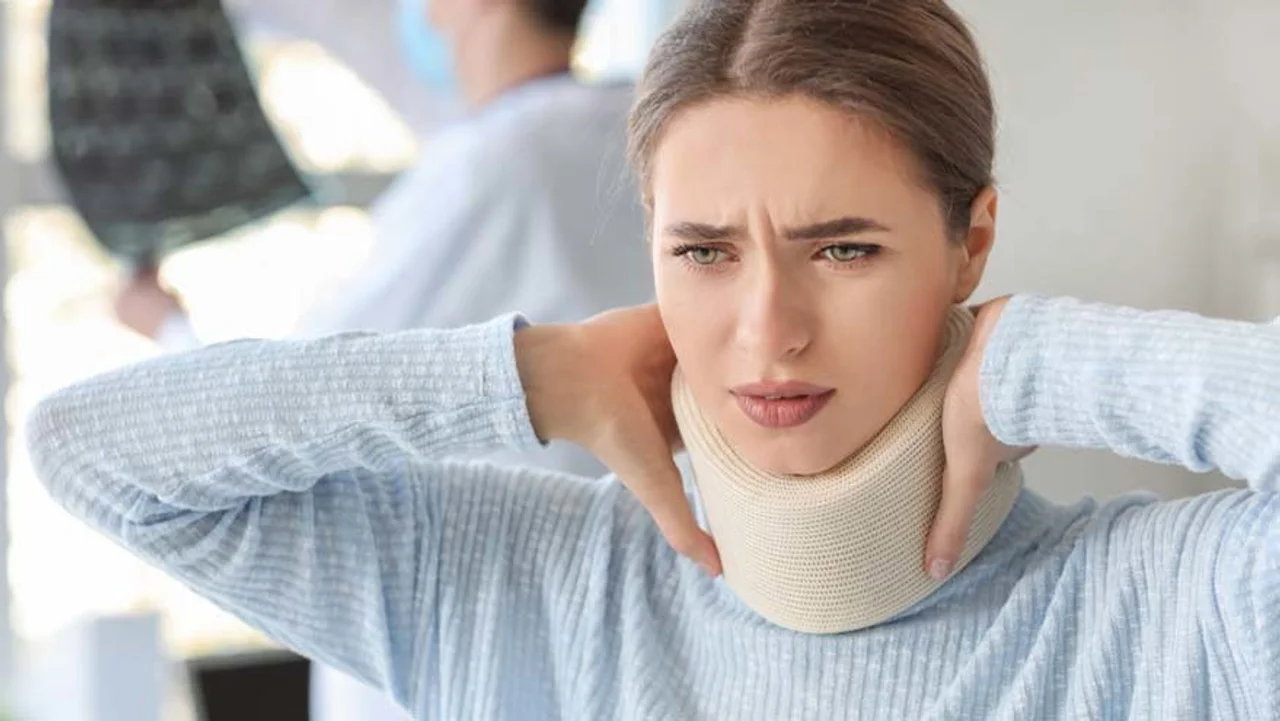
Have you ever woken up, tried to turn your head, and felt a sharp, stiff pain shooting down your neck—so intense that even looking over your shoulder felt impossible? If so, you’re not alone. Many people in Korea experience sudden or chronic neck stiffness, commonly known as torticollis (사경증). Yet despite how common it is, most people don’t know why it happens or what to do when it strikes.
At Banpo Newborn Korean Medicine Clinic, we’ve seen countless patients walk through our doors with their necks locked in one direction, shoulders raised in compensation, and anxiety written across their faces. And to be honest, most were surprised to learn that the problem wasn’t just “sleeping wrong.” Torticollis is often a sign of deeper muscular, neurological, or spinal imbalance.
The good news? It’s treatable, and with early, precise care, full recovery is not only possible—it’s expected.
In this guide, we’ll explain what torticollis really is, why it happens, and the practical, medically sound steps to take next.
What Exactly Is Torticollis?
Torticollis literally means “twisted neck.” In Korean medicine and modern musculoskeletal practice, it refers to a state where the neck muscles on one side contract involuntarily, pulling the head to one side and making rotation painful or limited.
There are two major forms:
Acute (Sudden) Torticollis
Common among office workers, students, and people under prolonged stress. It can happen overnight or after a sudden movement.Chronic or Recurrent Torticollis
Often linked to deeper issues such as cervical misalignment, poor posture habits, TMJ imbalance, or long-standing muscular compensation.
People often think torticollis is simply about muscle stiffness, but clinically, we see that:
The C1–C2 vertebrae (the upper cervical spine) often shift slightly from alignment.
Neck muscles tighten to protect this misalignment.
The entire shoulder girdle changes position to compensate.
Think of it like the foundation of a house slightly tilting. Even a small shift affects everything above it.
Dr. Ungjin Im often tells patients, “Torticollis is your body’s way of signaling imbalance. The pain is the alarm, not the cause.”
What Causes Torticollis? (More Than Just ‘Sleeping Wrong’)
Although many Koreans casually refer to torticollis as “잘못 자서 생긴 통증,” the truth is more multifaceted. Based on over 30 years of clinical experience, we’ve identified several common triggers:
1. Poor Posture and Digital Lifestyle
Extended smartphone use, forward-head posture, rounded shoulders, and long hours sitting at work are major contributors. In this posture:
The sternocleidomastoid (SCM) muscle becomes overactive.
Cervical vertebrae rotate or tilt asymmetrically.
Neck stabilizers weaken.
Over time, even a minor movement or sleeping position can trigger acute torticollis.
2. Upper Cervical Misalignment
A subtle shift in the atlas (C1) or axis (C2) can cause the surrounding muscles to seize up. Even a misalignment of 1–2 millimeters can significantly affect neck rotation.
3. TMJ Imbalance
Many people don’t realize that jaw disorders and torticollis are closely linked. If your jaw joint is misaligned, your neck will automatically compensate. We see this pattern often:
Tight jaw → altered head position
Altered head position → neck muscle imbalance
Neck muscle imbalance → torticollis
4. Stress and Emotional Tension
Korean patients frequently hold stress in their shoulders and neck. Emotional tension creates muscle guarding, which can set the stage for acute locking.
5. Cold Exposure
Sleeping with air conditioning blowing directly on the neck or stepping outside after sweating can cause the muscle fibers to contract abruptly.
6. Disc or Nerve Involvement
In some cases—especially those involving radiating pain—torticollis may be secondary to cervical disc bulging or nerve compression.
Understanding the root cause is essential. That’s why at Banpo Newborn, we begin every torticollis case with precise diagnostic palpation, range-of-motion tests, and upper-cervical assessment before considering treatment.
How Do I Know If I Actually Have Torticollis?

Here are the signs our patients most commonly report:
“I woke up and can’t turn my head to one side.”
“It hurts to look up or down.”
“My shoulder on one side feels raised and tense.”
“My head tilts without me realizing.”
“I feel a pulling sensation from my neck to my shoulder blade.”
“I can’t back my car because I can’t look behind me.”
If your neck is locked in a specific direction—or if moving it causes sudden sharp pain—you are likely experiencing torticollis.
Red Flags: When You Should Seek Immediate Evaluation
If you experience any of the following, don’t wait:
Pain radiating to the arms or fingers
Severe headaches or dizziness
Tingling or numbness
Recent trauma or accident
Fever or systemic symptoms
These may indicate a deeper neurological or structural issue.
What To Do First: Immediate Self-Care Tips
When torticollis strikes, most people panic or try to force the neck back into place. But forcing movement usually worsens the muscle spasm.
Here’s what you can safely do at home before visiting a clinic:
1. Apply Gentle Heat
Warmth relaxes tightened muscles and improves blood flow. A hot pack on the affected side for 10–15 minutes is a good start.
2. Avoid Sudden Stretching
This is where many people go wrong. Stretching a locked muscle can worsen the protective spasm. Instead, use small, gentle movements within your pain-free range.
3. Support Your Neck When Resting
A rolled towel under your neck or a soft cervical pillow helps reduce pressure.
4. Keep Shoulders Relaxed
Most people unconsciously lift one shoulder, worsening the imbalance. Take slow breaths and release shoulder tension.
5. Gentle SCM Massage (If Tolerable)
Using light pressure along the front and side of the neck can reduce discomfort—but only if it feels comfortable.
These steps often reduce pain temporarily, but they do not address the underlying cause. In many cases, the locked neck will return unless deeper alignment issues are corrected.
How Korean Medicine and Spinal Correction Address Torticollis
At Banpo Newborn Korean Medicine Clinic, our approach emphasizes non-invasive, precise alignment and restoration of healthy movement patterns. Our treatments don’t just relax muscles—they correct the source of imbalance.
Here’s how we typically approach torticollis depending on the severity and underlying cause.
1. Spatial Spinal Correction
This is a technique developed by Dr. Ungjin Im that analyzes the spine in three dimensions:
rotation
tilt
translation
With torticollis patients, we often discover a rotational shift at C1–C2. Through soft, gentle adjustments—not forceful manipulations—we guide the vertebrae back into alignment. Patients often express deep relief, saying things like:
“I felt my neck unlock the moment the upper cervical area was corrected.”
2. SART (Spinal Alignment Restoration Therapy)
SART is one of our clinic’s signature treatment systems. It uses precise hand techniques to realign the spine while rebalancing the nervous system.
For torticollis, SART helps:
Restore range of motion
Relax deep stabilizing muscles
Reduce nerve irritation
Reestablish correct head–neck posture
The process is gentle enough that even patients in acute pain tolerate it well.
3. Chuna Manual Therapy
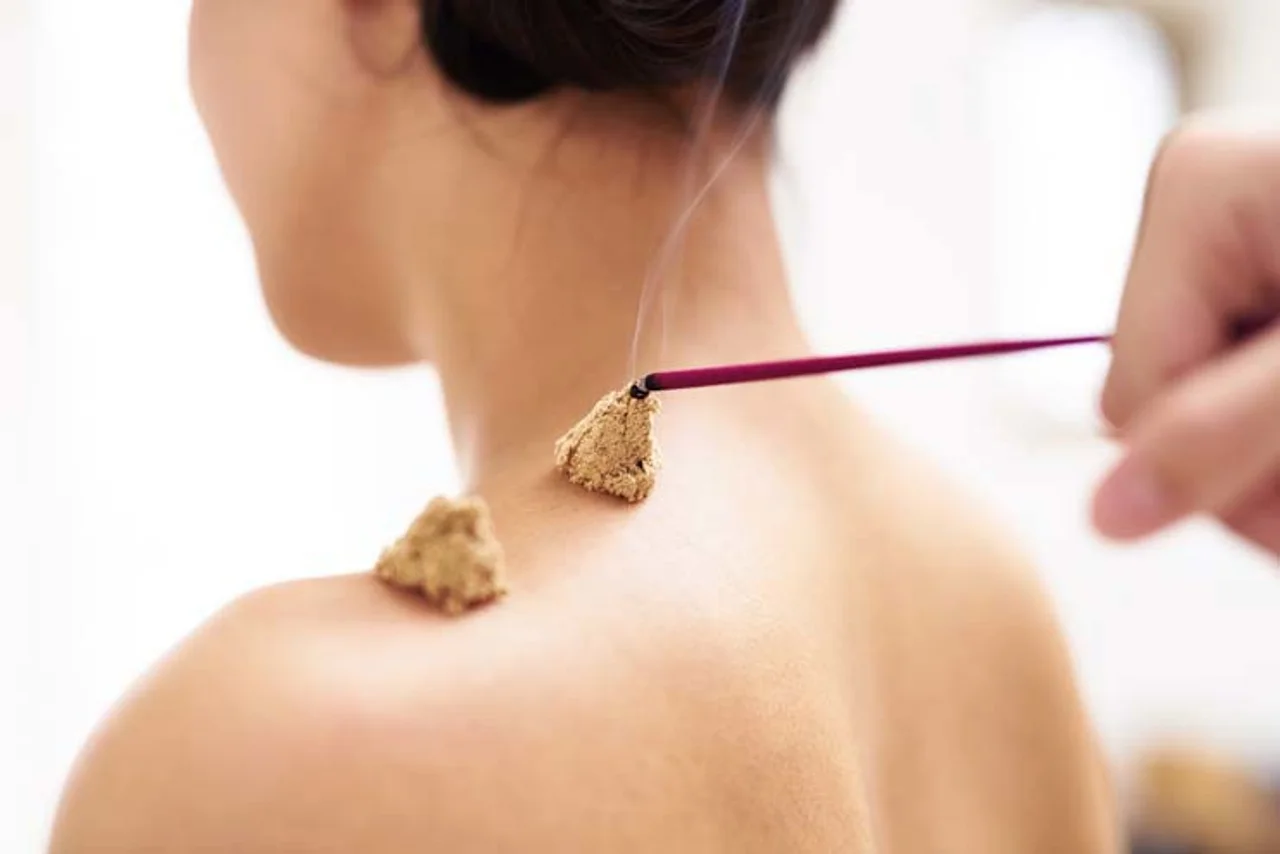
Chuna therapy is widely used in Korea for musculoskeletal conditions, but our clinic applies a more specialized version focused on micro-alignment rather than broad manipulation.
With torticollis patients, we:
Release the SCM and levator scapulae
Correct cervical rotation
Decompress the upper thoracic area
Adjust jaw alignment if needed
Each correction builds on the next to recover natural mobility.
4. TMJ Balancing (If Jaw Involvement Exists)
In many cases, especially chronic or recurrent torticollis, the jaw joint plays a major role. We use:
Jaw balancing techniques
Intraoral muscle release
Postural correction related to bite alignment
Patients are often surprised to learn that improving TMJ alignment frees the entire neck.
5. Personalized Rehabilitation
Once acute pain improves, we guide patients through individualized exercises to maintain stability:
Deep neck flexor activation
Scapular stabilization
Breathing techniques to reduce sympathetic tension
Postural retraining for desk workers
We never use generic exercise sheets. Each program is tailored to the patient’s condition, body type, and lifestyle.
Real Stories From Our Clinic
One of our patients, a 42-year-old office worker, came in with her head severely tilted to the right. She had suffered from recurrent torticollis for years and assumed it was “just stress.” After evaluating her, we found a combination of upper cervical rotation and jaw imbalance.
With spatial spinal correction, jaw balancing, and several sessions of SART, her head returned to neutral alignment. At her follow-up, she told us:
“I didn’t realize how much my jaw was affecting my neck. I feel like my whole posture is different now.”
Another patient—a university student—developed torticollis during exam season. Stress, poor posture, and long nights at his desk triggered severe muscle spasms. After targeted Chuna therapy and posture retraining, he regained full mobility in a week.
More Medical Articles
Continue reading clinical insights from Banpo Newborn Korean Medicine Clinic.

Why Seoul is the Global Hub for Minimally Invasive Vertigo Treatment
Dizziness and vertigo are among the most common reasons for hospital visits in South Korea, affecting nearly 16.7% of the adult population annually according to the Korea National Health and Nutrition Examination Survey (KNHANES).
Learn More

Tinnitus Relief in Seoul: Multidisciplinary Upper Cervical Care
For many, the sound of silence is replaced by a persistent ringing, buzzing, or hissing. In South Korea, this is more than an individual annoyance; it is a significant public health trend.
Learn More

Success Rates of SART for OPLL Compared to Standard Laminectomy in Korea
The prevalence of Ossification of the Posterior Longitudinal Ligament (OPLL) in East Asian populations, particularly in South Korea, is significantly higher than in Western countries, affecting approximately 2% to 4% of the population according to nationwide...
Learn More