SART Whole-Body Spinal Alignment, Chuna Therapy & International Patient Concierge
30+ Years Clinical Experience
en-US

Korean Medicine Guide
Tinnitus Means Hearing Loss? Not Always — Here's the Truth
Tinnitus doesn’t always mean hearing loss. Learn the real causes, symptoms, and treatments for ringing in the ears—and when to see a specialist.
Schedule a ConsultationTinnitus Means Hearing Loss? Not Always — Here's the Truth
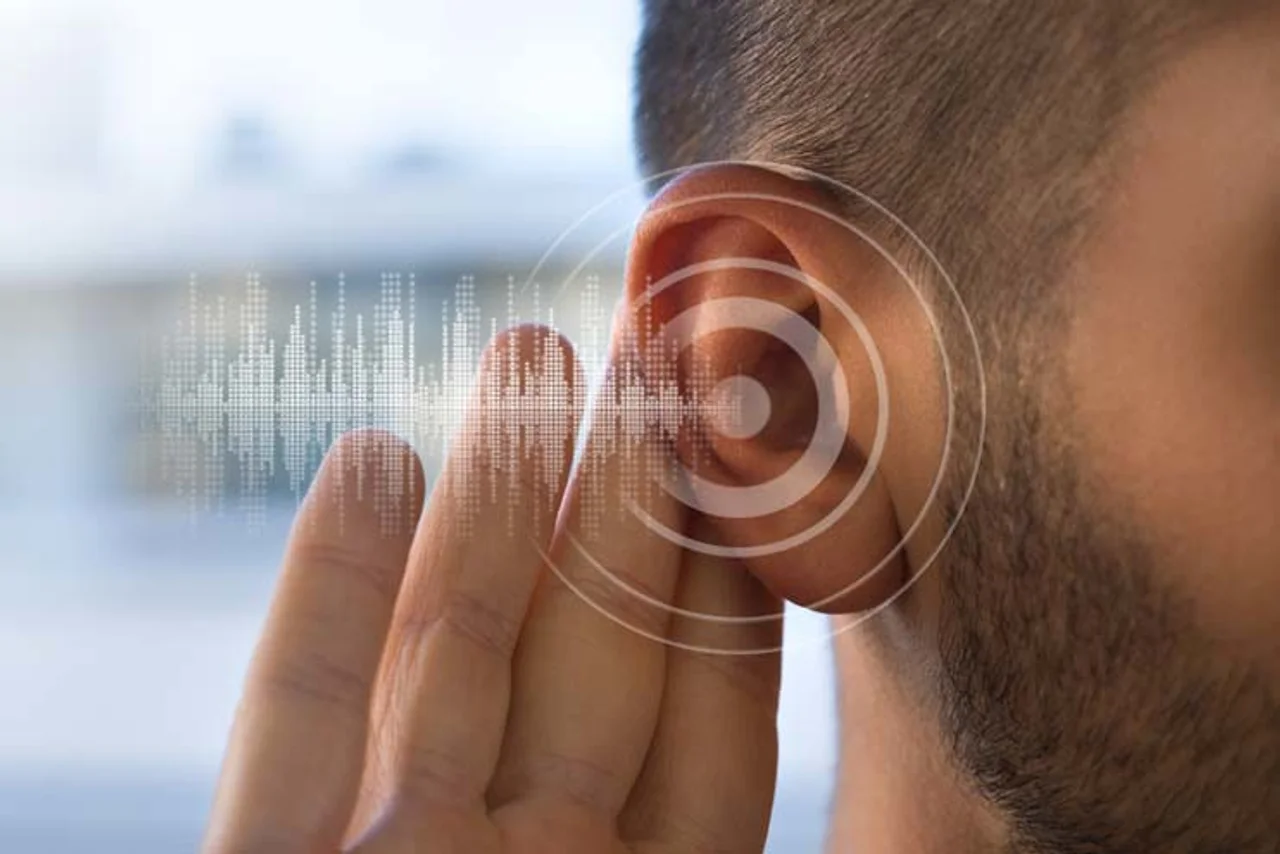
Have you ever experienced a persistent ringing, buzzing, or humming in your ears—especially in a quiet room at night—and immediately worried, “Is my hearing going bad?”
You’re not alone. At Banpo Newborn Korean Medicine Clinic, this is one of the most common concerns we hear from patients visiting us for tinnitus-related symptoms. And to be honest, many people come in already convinced that tinnitus automatically equals permanent hearing loss.
But here’s the truth: tinnitus does not always mean hearing loss.
In fact, tinnitus is far more complex—and far more treatable—than most people realize. Understanding the difference can make the difference between years of unnecessary anxiety and a clear, realistic path toward recovery.
Let’s talk about what tinnitus really is, why it happens, and when hearing loss is not the main issue.
What Exactly Is Tinnitus?
Tinnitus is not a disease itself. It’s a symptom—a signal from the body that something is out of balance.
People describe tinnitus in many ways:
Ringing
Buzzing
Whistling
Hissing
Pulsing or rhythmic sounds
These sounds are perceived without any external source, and they can occur in one ear, both ears, or even feel like they’re coming from the center of the head.
Importantly, tinnitus can be:
Temporary or chronic
Mild or severely disruptive
Constant or intermittent
And crucially, tinnitus can occur even when hearing tests show normal results.
Why Tinnitus Is Often Mistaken for Hearing Loss
The confusion is understandable.
Tinnitus and hearing loss frequently appear together, especially in:
Older adults
People exposed to loud noise
Individuals with long-term ear damage
Because of this overlap, tinnitus has gained a reputation as an early warning sign of hearing decline. While that can be true in some cases, it is far from the whole story.
At our clinic, we regularly meet patients who:
Have clear hearing tests
Can follow conversations easily
Yet experience persistent tinnitus
So what’s going on?
The Key Difference: Hearing Ability vs. Signal Processing
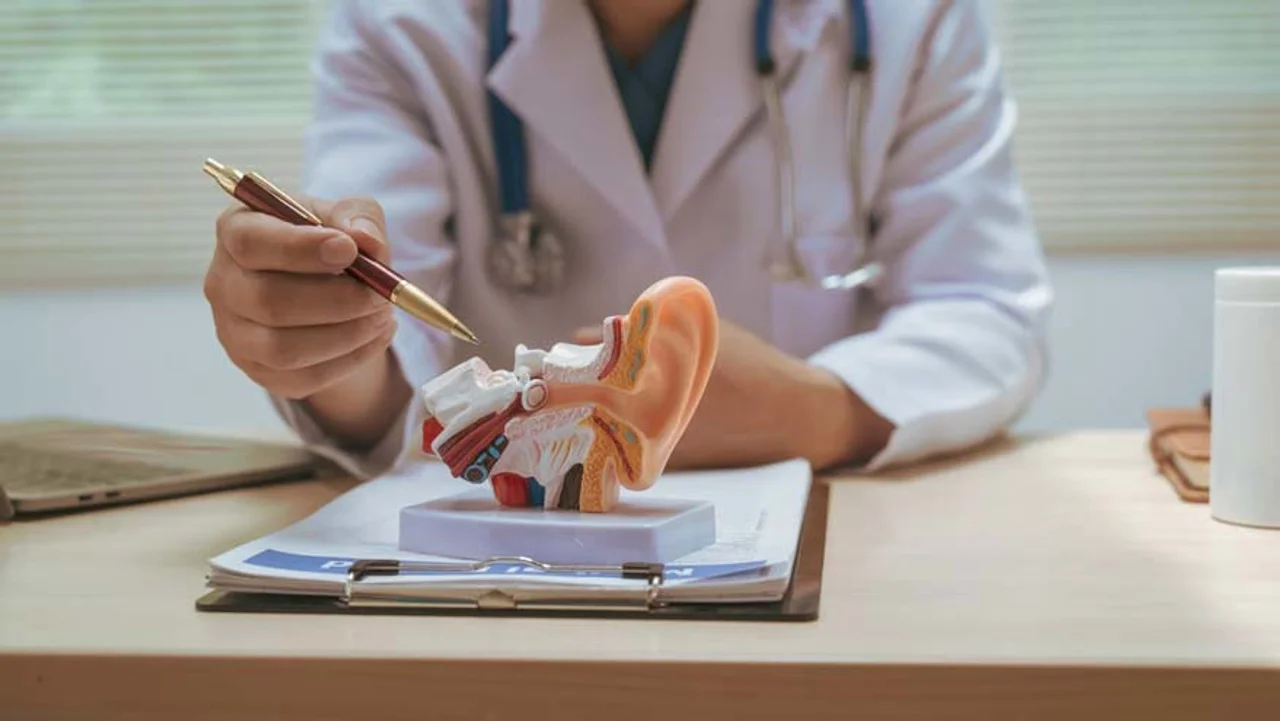
Hearing loss typically involves damage to the ear’s sensory structures, particularly the hair cells in the inner ear that convert sound waves into nerve signals.
Tinnitus, however, often arises from how the brain processes signals, not from the inability to hear sounds.
Think of it this way:
Hearing loss is like broken piano keys
Tinnitus is like static in the sound system
The piano may still play perfectly—but the signal traveling through the system is distorted.
Common Causes of Tinnitus Without Hearing Loss
This is where things become especially important—and hopeful.
1. Cervical Spine Misalignment (Neck Issues)
One of the most overlooked causes of tinnitus is misalignment in the cervical spine, especially the upper neck.
The neck contains:
Major blood vessels supplying the brain and inner ear
Nerves that connect directly to auditory pathways
Muscles that influence head and jaw position
When these structures are out of balance, tinnitus can develop—even if the ears themselves are healthy.
At Banpo Newborn Korean Medicine Clinic, we frequently see tinnitus improve after precise spinal and cervical correction, particularly in patients who also experience:
Neck stiffness
Shoulder tension
Poor posture
Desk-related strain
To be honest, many people don’t realize how much their ears depend on the spine for proper neurological input.
2. TMJ Disorders (Jaw Imbalance)
The temporomandibular joint (TMJ) sits extremely close to the auditory system.
Jaw misalignment or dysfunction can:
Irritate nearby nerves
Alter muscle tension around the ear
Create pressure changes perceived as sound
Patients with TMJ-related tinnitus often report:
Jaw clicking or locking
Facial tension
Headaches
Ear fullness without infection
In these cases, tinnitus has nothing to do with hearing loss—and everything to do with structural imbalance.
3. Autonomic Nervous System Dysregulation
Stress doesn’t just affect the mind—it affects the nervous system.
Chronic stress can overstimulate the autonomic nervous system, leading to:
Heightened auditory sensitivity
Increased internal noise perception
Difficulty “filtering out” background signals
This is why tinnitus often worsens:
At night
During anxiety
When exhausted
Importantly, stress-induced tinnitus does not indicate ear damage. It reflects a nervous system that’s stuck in overdrive.
4. Blood Flow and Circulation Issues
Some tinnitus is vascular in nature, especially pulsatile tinnitus, which follows the rhythm of the heartbeat.
Poor circulation to the inner ear or brainstem—often related to posture, neck tension, or spinal compression—can alter how sound is perceived.
When circulation improves, tinnitus often softens or disappears.
When Tinnitus Is Related to Hearing Loss
Of course, we should be medically responsible and clear: sometimes tinnitus does accompany hearing loss.
This is more likely when tinnitus is associated with:
Long-term noise exposure
Sudden sensorineural hearing loss
Age-related degeneration
Ototoxic medications
However, even in these cases, tinnitus severity does not always match the degree of hearing loss. Some people with significant hearing decline have no tinnitus at all—while others with excellent hearing struggle daily.
This alone tells us that tinnitus cannot be reduced to a single cause.
Why Standard Tests Often Miss the Root Cause
Many patients come to us after being told:
“Your hearing test is normal.”
“There’s nothing wrong with your ears.”
“You’ll have to learn to live with it.”
This can feel incredibly discouraging.
The problem is not that the tests are wrong—but that they are incomplete.
Standard audiology exams focus on:
Sound detection
Frequency thresholds
They do not assess:
Cervical spine alignment
Jaw mechanics
Postural balance
Nervous system regulation
That’s where a holistic, structural evaluation becomes essential.
A Korean Medicine Perspective on Tinnitus
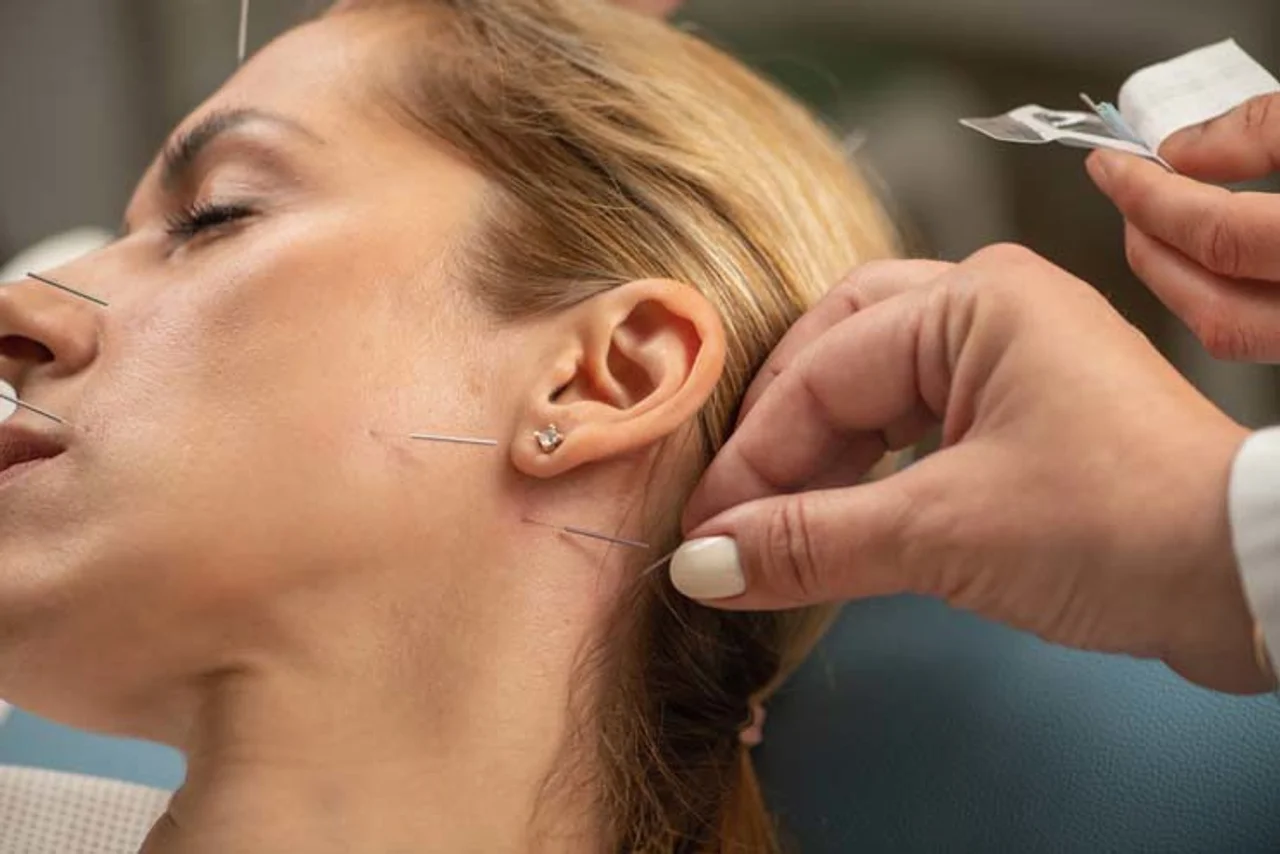
In Korean medicine, tinnitus is understood as a sign of systemic imbalance, not an isolated ear problem.
We look at:
Spine and posture
Circulatory flow
Nervous system harmony
Musculoskeletal tension
At Banpo Newborn Korean Medicine Clinic, Dr. Ungjin Im has spent decades refining non-invasive methods that address tinnitus at its structural and neurological roots.
His approach emphasizes one core principle:
If the body’s alignment and communication pathways are restored, symptoms often resolve naturally.
How Spinal Alignment Affects the Ears
The upper cervical spine plays a critical role in:
Brainstem function
Auditory signal transmission
Autonomic nervous system balance
Even subtle misalignments can distort neural input, creating phantom sounds.
Through Spinal Alignment Restoration Therapy (SART) and spatial spinal correction, we aim to:
Reduce nerve compression
Improve blood flow
Restore neurological clarity
Many patients notice changes in tinnitus intensity after only a few sessions—not because we “treat the ears,” but because we restore the body’s internal balance.
Realistic Expectations: What Improvement Looks Like
Tinnitus recovery is rarely instant—but it is possible.
Patients often report progress in stages:
Reduced intensity
Less frequent episodes
Improved sleep
Lower emotional distress
Eventual resolution or minimal awareness
Even when tinnitus doesn’t disappear completely, regaining control over it can dramatically improve quality of life.
When Should You Seek a Deeper Evaluation?
Consider a comprehensive evaluation if:
Your hearing test is normal but tinnitus persists
Symptoms worsen with neck movement or posture
You have jaw pain or clicking
Stress significantly amplifies symptoms
You’ve been told “nothing can be done”
These are signs that tinnitus may be structural and functional, not degenerative.
You Are Not Imagining It—and You Are Not Stuck
Living with tinnitus can feel isolating. Quiet moments become stressful. Sleep feels elusive. And reassurance often feels vague or dismissive.
But tinnitus is not a life sentence—and it is not always a sign of hearing loss.
If you’ve been living with chronic tinnitus, it might be time to ask a different question:
What in my body is out of alignment, overstimulated, or struggling to communicate clearly?
At Banpo Newborn Korean Medicine Clinic, we believe that answers lie in precision, patience, and personalized care—not resignation.
A Final Thought from Our Clinic
If you take one thing away from this article, let it be this:
Tinnitus does not automatically mean your hearing is failing.
Often, it means your body is asking for attention—especially your spine, jaw, and nervous system.
And when those systems are gently and precisely restored, the noise can finally quiet down.
If you’re considering a deeper evaluation or simply want clarity about your symptoms, a comprehensive spinal and neurological assessment may be the first step toward relief.
You’re not alone. And healing is possible.
More Medical Articles
Continue reading clinical insights from Banpo Newborn Korean Medicine Clinic.

Why Seoul is the Global Hub for Minimally Invasive Vertigo Treatment
Dizziness and vertigo are among the most common reasons for hospital visits in South Korea, affecting nearly 16.7% of the adult population annually according to the Korea National Health and Nutrition Examination Survey (KNHANES).
Learn More

Tinnitus Relief in Seoul: Multidisciplinary Upper Cervical Care
For many, the sound of silence is replaced by a persistent ringing, buzzing, or hissing. In South Korea, this is more than an individual annoyance; it is a significant public health trend.
Learn More

Success Rates of SART for OPLL Compared to Standard Laminectomy in Korea
The prevalence of Ossification of the Posterior Longitudinal Ligament (OPLL) in East Asian populations, particularly in South Korea, is significantly higher than in Western countries, affecting approximately 2% to 4% of the population according to nationwide...
Learn More