SART Whole-Body Spinal Alignment, Chuna Therapy & International Patient Concierge
30+ Years Clinical Experience
en-US

Korean Medicine Guide
Tinnitus + Neck Pain = One Treatable Problem in Korean Medicine
Discover how Korean medicine treats tinnitus and neck pain together, offering natural, holistic relief for lasting health and balance.
Schedule a Consultation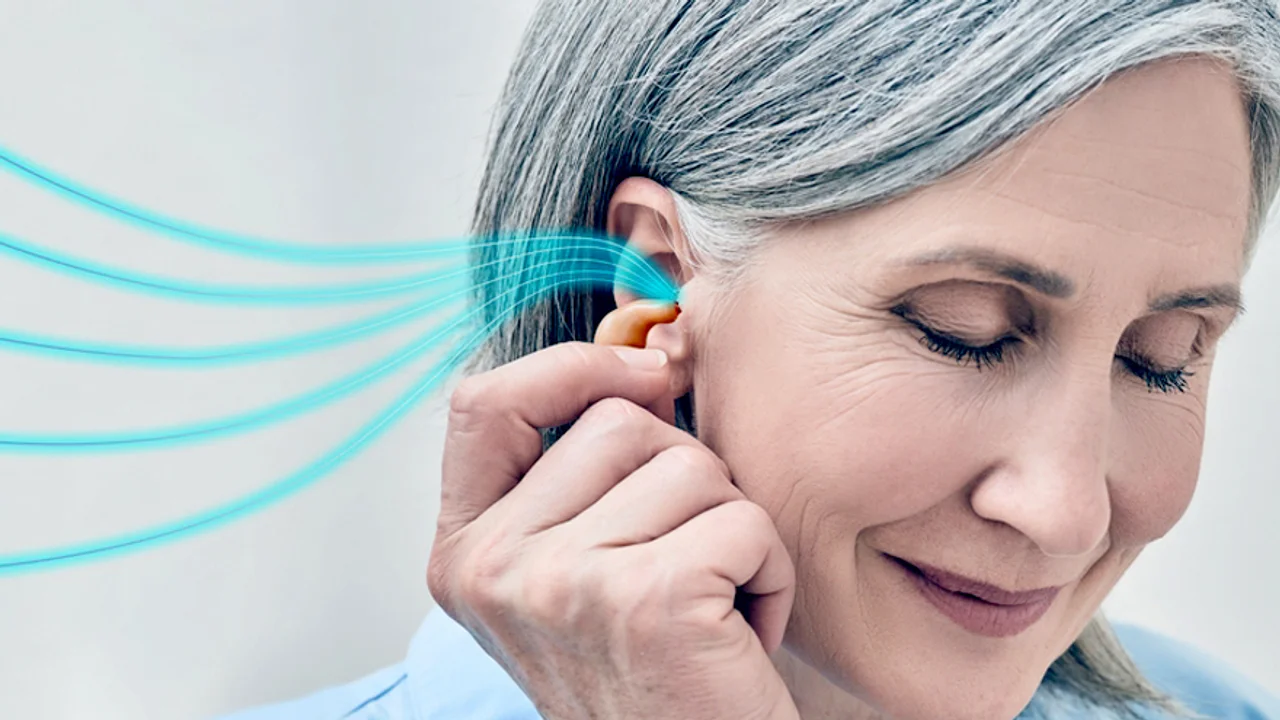
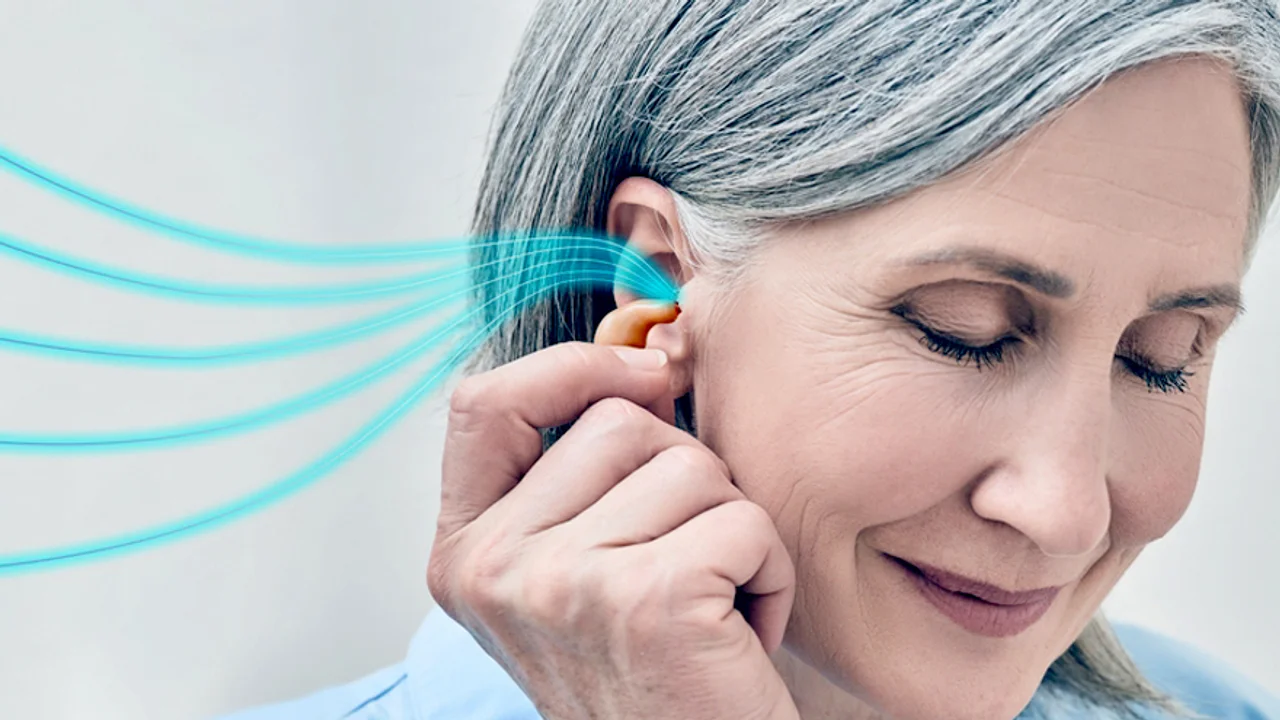
If you live with Tinnitus (ringing, buzzing, whooshing) and Neck pain at the same time, you’ve probably noticed they flare together—one bad day at the desk and suddenly your neck tightens, your jaw clenches, and the ear noise gets louder. To be honest, many people are told to “just live with it.” At Banpo Newborn Oriental Medical Clinic in Banpo, Seoul, we take a different view: in a large subset of patients, neck-driven and jaw-driven tinnitus is a treatable musculoskeletal pattern—especially when care is gentle, precise, and whole-body.
Below, we’ll explain why neck and jaw mechanics amplify tinnitus, how our integrated non-surgical approach (including Spinal Alignment Restoration Therapy—SART, spatial spinal correction, Chuna manual therapy, acupuncture, and simple home drills) can help, and when to seek urgent medical evaluation. If you’ve been stuck for months—or years—relief is still possible.
Why tinnitus and neck pain so often travel together
Your neck, rib cage, and jaw are a team. When the cervical spine stiffens—after a long workday, a minor strain, or years of compensation—the deep muscles at the base of the skull tighten. This can irritate local joints and compress small nerves that share processing pathways with the auditory system. Add jaw tension in the Temporomandibular Joint (TMJ), and the brain’s “volume knob” on head/neck sensation can turn up—making tinnitus more noticeable.
Common contributors we see in clinic:
Forward head posture and a rounded upper back (think laptop + phone).
Jaw clenching from stress—classic TMJ Disorder/TMJ Syndrome.
Protective patterns after a back or shoulder flare—Back pain, Lower back pain, Shoulder stiffness, even Frozen shoulder can push workload up into the neck.
Asymmetry from Scoliosis, mild Torticollis/Wry Neck, or Dystonia/Muscle Dystonia tendencies—one shoulder hikes, the head tilts, and the neck never fully rests.
Not every tinnitus case is musculoskeletal. But when your ear noise changes with neck motion, jaw position, or posture, biomechanical treatment is often a smart first step.
When to see a professional promptly (safety first)
While neck-related tinnitus is common, certain red flags require urgent medical evaluation:
Sudden hearing loss in one ear (within 72 hours is an emergency).
New neurological symptoms (facial weakness, severe imbalance, double vision).
Severe ear pain, discharge, fever, or recent significant trauma.
Tinnitus with pulsation exactly matching your heartbeat.
If any of these apply, seek immediate medical care. We coordinate with ENT and neurology colleagues whenever needed. Your safety comes first.
Our integrated Korean medicine approach
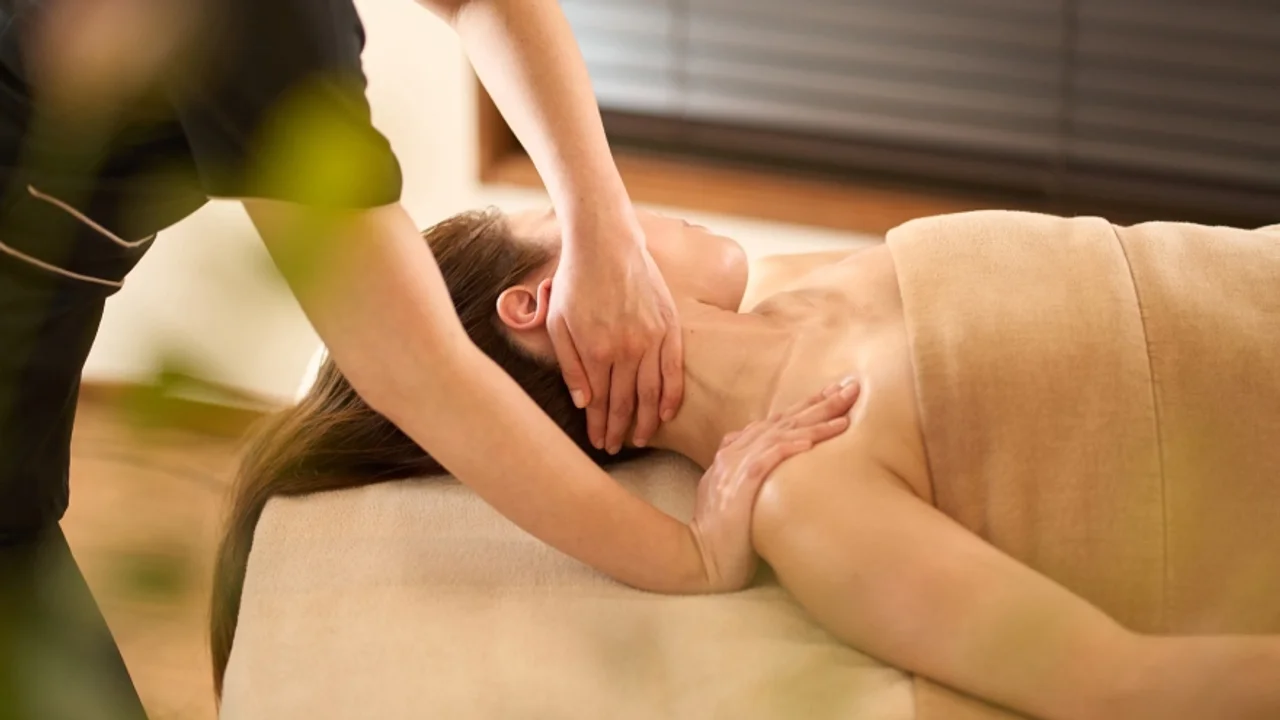
For more than 30 years, our clinic has helped patients resolve complex spine, TMJ, and posture problems without surgery when conservative care is appropriate. Our method blends traditional Korean medicine with modern biomechanics and one-to-one, detail-focused care.
1) Root-cause evaluation (your first session)
We won’t just ask about your ears. We map your whole pattern:
Cervical spine: segmental motion, suboccipital tone, movement that modulates tinnitus (turn, nod, clench).
TMJ & jaw: bite alignment, deviation on opening, clenching/grinding patterns.
Rib cage & breathing: whether the thorax is rigid (shallow breathing often keeps the neck “on”).
Pelvis & lumbar spine: tilt/rotation, gait, and load-sharing—vital if Lumbar pain, Disc Herniation/Herniated Disc/Slipped Disc, or Spinal Stenosis/Lumbar Spinal Stenosis appear in your history.
Shoulder & scapula: elevation vs. rotation (helps explain Shoulder pain and Shoulder stiffness).
Asymmetries: Scoliosis, Torticollis/Wry Neck, Dystonia/Muscle Dystonia tendencies.
Symptom mapping: laterality of tinnitus, triggers (stress, chewing, head turn), night vs. day, sleep posture.
If you have imaging (cervical X-ray/MRI; dental panoramics; lumbar imaging), bring it. We interpret scans in the context of how you move, not just a report line.
2) Spinal Alignment Restoration Therapy (SART)
Refined by Dr. Ungjin Im, SART uses gentle, precise corrections to restore space at irritated segments and re-stack the body so the neck can relax. For tinnitus + neck pain, SART typically aims to:
Decongest the upper cervical spine (C0–C3) where neck-driven headache and ear referral often begin.
Center the rib cage over the pelvis so the neck isn’t doing your posture’s heavy lifting.
Quiet protective muscle guarding, lowering the “background noise” the brain keeps amplifying.
Patients describe SART as “light but powerful”—no forceful cracking, just accurate, calming adjustments.
3) Spatial spinal correction + Chuna manual therapy
Alignment is three-dimensional. Our spatial spinal correction addresses tilt, shift, and rotation together so gains hold in real life. We pair this with Chuna manual therapy to:
Restore joint play through the upper thoracic spine and ribs (vital for neck ease).
Free the scapula to rotate instead of shrug—reduces suboccipital strain.
Normalize soft-tissue glide in the jaw, neck, and upper back.
4) TMJ harmonization
Because jaw mechanics often modulate tinnitus, we integrate targeted TMJ work:
Soft-tissue release for masseter, temporalis, and pterygoids.
Gentle joint decompression and a neutral Temporomandibular Joint (TMJ) resting posture (tongue to palate, teeth apart).
Bite and breathing cues to reduce clenching during work and sleep.
5) Acupuncture, moxibustion & cupping
These methods reduce local inflammation, improve micro-circulation, and downshift the nervous system. Many patients notice a softer, less intrusive tinnitus tone as neck guarding eases.
6) Simple, sustainable home training
Lasting change comes from better mechanics, not long routines. We prescribe 2–3 micro-drills (minutes total):
Suboccipital decompression breathing (60–90 seconds): lengthen the back of the neck while expanding the low ribs.
Scapular setting: train upward rotation/posterior tilt without shrugging.
Log-roll sleep setup: side-lying with a shoulder-height pillow; knees and ankles supported to keep the pelvis level.
Optional: jaw relaxer—tongue to palate, teeth apart, slow exhale (calms TMJ and upper-cervical tone).
How the lower body affects your ears
It surprises many patients, but chronic Back pain, Lower back pain, Lumbar pain, Pelvic pain/Pelvic discomfort, or hip pain can push posture upstream. When the pelvis tilts or the lumbar spine guards (after Herniated Disc, Slipped Disc, or Lumbar Spinal Stenosis), the rib cage stiffens and the head migrates forward. Your neck tightens to “hold you up,” and tinnitus becomes more noticeable. Our clinic’s specialty in non-surgical stenosis care helps by improving decompression and gait—so the neck finally gets to rest.
What improvement looks like
We set clear markers so you can see change:
Neck ROM without tinnitus spike (turning, nodding).
Daily tinnitus diary: intensity, duration, triggers; number of quiet windows.
Jaw tension and morning Headache/Chronic Headache frequency.
Sleep quality and wake-with-ease score (0–10).
Posture metrics: ability to sit/stand 30–60 minutes without neck ache.
Most patients notice early wins—less “head heaviness,” fewer spikes with head turn, easier mornings—within the first few sessions. Everyone heals at a different pace; our job is to keep progress steady and safe.
Two short patient stories
Case 1: Designer with reactive tinnitus
Hana, 33, had right-sided tinnitus that spiked when she turned her head or clenched her jaw. She also reported Neck stiffness, Shoulder pain, and evening Headache. Exam showed forward head posture, tight suboccipitals, and jaw deviation on opening (TMJ Disorder). We applied SART (C0–C3), Chuna for upper thoracic/rib mobility, targeted TMJ release, and two drills. By week three, her daily spikes halved; by week eight, she reported several quiet windows each day and far less neck ache.
Case 2: Stenosis overlap with ear fullness
Mr. Park, 62, had Lumbar Spinal Stenosis, shortened stride, and constant neck guarding with intermittent left-sided tinnitus. Decompression-biased SART, spatial spinal correction, and walk intervals reduced bracing. We added gentle jaw work and side-lying sleep supports. One month later he doubled his comfortable walking time and described the tinnitus as “fainter and less reactive.”
Results vary; matching treatment to the true driver is what moves the needle.
Home strategies that help (without flaring symptoms)
Screen at eye level. Keep your gaze straight ahead; bring the phone up to your face, not your face down to the phone.
Micro-breaks every 30–45 minutes. Stand, exhale softly, lengthen the back of your neck, and roll the shoulders down and around (not up and back).
Sleep neutral. Side-lying with a shoulder-height pillow; pillow between both knees and ankles to level the pelvis. Avoid stomach sleeping.
Jaw calm. Tongue on the palate, teeth apart. If you grind at night, mention it—we’ll tailor TMJ support.
Walk smart. Short, frequent walks (8–12 minutes) free the rib cage and calm the nervous system—often softening tinnitus reactivity.
If any self-care increases pain, ear pressure, or dizziness, pause and let us tailor a gentler progression.
Frequently asked questions
More Medical Articles
Continue reading clinical insights from Banpo Newborn Korean Medicine Clinic.

Why Seoul is the Global Hub for Minimally Invasive Vertigo Treatment
Dizziness and vertigo are among the most common reasons for hospital visits in South Korea, affecting nearly 16.7% of the adult population annually according to the Korea National Health and Nutrition Examination Survey (KNHANES).
Learn More

Tinnitus Relief in Seoul: Multidisciplinary Upper Cervical Care
For many, the sound of silence is replaced by a persistent ringing, buzzing, or hissing. In South Korea, this is more than an individual annoyance; it is a significant public health trend.
Learn More

Success Rates of SART for OPLL Compared to Standard Laminectomy in Korea
The prevalence of Ossification of the Posterior Longitudinal Ligament (OPLL) in East Asian populations, particularly in South Korea, is significantly higher than in Western countries, affecting approximately 2% to 4% of the population according to nationwide...
Learn More