SART Whole-Body Spinal Alignment, Chuna Therapy & International Patient Concierge
30+ Years Clinical Experience
en-US


Korean Medicine Guide
TMJ & Facial Alignment Before and After Results
See life-changing TMJ & Facial Alignment before and after results. Learn about costs in South Korea and how 3D technology ensures symmetric, pain-free outcomes. Inquire here.
Schedule a ConsultationIntroduction
When patients begin researching TMJ & Facial Alignment, they often start with a focus on their appearance. They see a "crooked" smile or a chin that deviates to one side in photos. However, the true power of a successful alignment transformation goes much deeper than aesthetics. For those living with temporomandibular joint (TMJ) disorders, the "before and after" journey is a transition from chronic pain and functional limitation to a life of comfort and facial balance.
The health of your jaw joint directly dictates the symmetry of your face. If the joint is displaced or the bone structure is uneven, the soft tissues, muscles, and skin will follow that skewed foundation. South Korea has become the global benchmark for these procedures, achieving some of the most dramatic and stable alignment results in the world. If you are ready to see how your own profile can be restored, we invite you to inquire here to speak with a specialized coordinator.

The "Before" Profile: Common Symptoms and Structural Issues
The "before" state of a patient seeking TMJ & Facial Alignment is often characterized by a mix of physical discomfort and visual asymmetry. These issues are rarely isolated; a problem with the joint almost always leads to a problem with the facial appearance.
Functional Struggles
Patients often report a high degree of daily interference. Common symptoms include:
Chronic Jaw Clicking or Popping: A sharp sound whenever the mouth opens or closes.
"Lockjaw" Episodes: Moments where the jaw becomes stuck in an open or closed position.
Migraines and Tension Headaches: Pain that radiates from the jaw into the temples and neck.
Difficulty Chewing: An inability to bite down fully or pain when eating harder foods.
Aesthetic Asymmetry
Visually, the "before" profile may show:
Deviated Chin: The center of the chin does not align with the tip of the nose or the midline of the teeth.
Uneven Jawline: One side of the face may appear "heavier" or more developed than the other due to muscle overcompensation.
Crooked Smile: The lips appear slanted when talking or smiling because the underlying bone support is tilted.
The Bite Factor
Skeletal issues like underbites (protruding lower jaw), overbites (recessed lower jaw), and crossbites create a "recessed" or "protruding" profile. These aren't just dental issues; they are bone-level misalignments that put immense pressure on the TMJ, leading to further wear and tear.
The "After" Results: What to Expect from Treatment
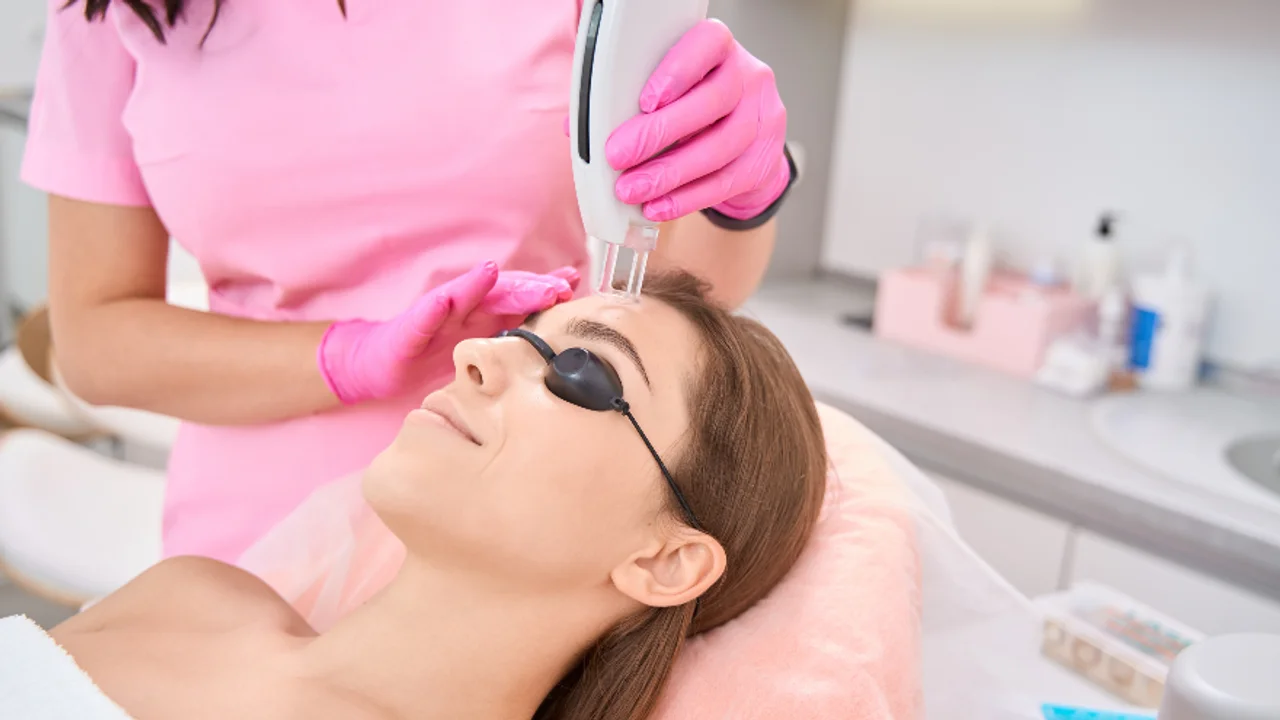
The goal of treatment is to move the patient into a stable, centered, and pain-free "after" state. This transformation is measured through both functional and aesthetic milestones.
Functional Milestones
Silent Joint Movement: The clicking and popping sounds disappear as the joint is moved back into its proper anatomical track.
Elimination of Pain: Chronic tension in the masseter muscles and the resulting headaches are significantly reduced or eliminated.
Restored Bite Force: The upper and lower teeth meet perfectly, allowing for comfortable chewing and clearer speech.
Aesthetic Milestones
Centered Midline: The chin, teeth, and nose all align on a single vertical axis.
Balanced "V-Line" Shape: For many, the "after" result includes a more refined, symmetrical jawline that looks natural from every angle.
Improved Profile Proportions: From the side view, a recessed chin is brought forward, or a protruding jaw is set back, creating a harmonious balance between the forehead, nose, and chin.
Psychological Impact
Perhaps the most significant "after" result is the boost in self-confidence. Patients often find themselves smiling more freely and participating in social activities they previously avoided due to self-consciousness about their asymmetry or the fear of jaw pain during meals.
Measuring Success: The Role of 3D Technology

One of the biggest concerns for patients is: "How do I know I will like the results?" In South Korea, the "Digital After" has become a standard part of the process.
Virtual Simulations
Before a single incision is made, specialized clinics use 3D-CT scans to create a digital twin of the patient’s skull. Surgeons use this software to perform a "virtual surgery." Patients can see a 3D simulation of their expected TMJ & Facial Alignment results on a screen. This ensures that both the doctor and the patient are in total agreement on the aesthetic goals.
Bone vs. Soft Tissue
Success isn't just about moving the bone. Expert surgeons must account for how the muscles, fat, and skin will settle over the new bone structure. By using advanced mapping, Korean specialists ensure the final result looks natural and harmonious, avoiding the "over-operated" look that can occur when soft tissue changes are ignored.
Pathways to Alignment: Comparing Procedures
There are several ways to reach a successful "after" result, ranging from non-surgical interventions to major bone reconstruction.
Procedure | Best For... | "After" Result Type |
|---|---|---|
Masseter Botox | Muscle-based heaviness | Slimmer jawline & reduced tension |
Dental Splints | Minor joint displacement | Reduced clicking & tooth protection |
Genioplasty | Minor chin deviation | A centered, more defined chin |
Double Jaw Surgery | Skeletal asymmetry/Bite issues | Total facial centering & joint relief |
Surgical Results (The Gold Standard)
For severe bone-level asymmetry, Orthognathic (Double Jaw) Surgery is the only permanent solution. In South Korea, surgeons utilize specific techniques to preserve the "After" health of the patient:
IVRO vs. SSRO: These are specialized ways of cutting the jawbone. IVRO is often preferred for TMJ relief because it doesn't require rigid fixation, allowing the joint to find its own comfortable position. SSRO is used for faster healing and precise movements.
Ultrasonic Bone Cutting: Using sound waves instead of traditional saws reduces bleeding and protects the sensitive nerves that provide feeling to the face.
Global Cost & Expertise: The South Korea Advantage
For a procedure as complex as TMJ & Facial Alignment, precision is non-negotiable. South Korea is internationally recognized as the cheapest and best destination for these treatments. The high volume of surgeries performed in Seoul means that costs are kept accessible while the technology remains at the global forefront.
Cost Comparison for TMJ & Facial Alignment (Estimated USD)
More Medical Articles
Continue reading clinical insights from Banpo Newborn Korean Medicine Clinic.

Why Seoul is the Global Hub for Minimally Invasive Vertigo Treatment
Dizziness and vertigo are among the most common reasons for hospital visits in South Korea, affecting nearly 16.7% of the adult population annually according to the Korea National Health and Nutrition Examination Survey (KNHANES).
Learn More

Tinnitus Relief in Seoul: Multidisciplinary Upper Cervical Care
For many, the sound of silence is replaced by a persistent ringing, buzzing, or hissing. In South Korea, this is more than an individual annoyance; it is a significant public health trend.
Learn More

Success Rates of SART for OPLL Compared to Standard Laminectomy in Korea
The prevalence of Ossification of the Posterior Longitudinal Ligament (OPLL) in East Asian populations, particularly in South Korea, is significantly higher than in Western countries, affecting approximately 2% to 4% of the population according to nationwide...
Learn More