SART Whole-Body Spinal Alignment, Chuna Therapy & International Patient Concierge
30+ Years Clinical Experience
en-US


Korean Medicine Guide
TMJ & Facial Alignment Korea Price vs China Clinics
Compare TMJ & Facial Alignment costs and expertise in South Korea vs China. Discover why Korea is the global leader in jaw surgery. Inquire here for a consultation.
Schedule a ConsultationIntroduction
Living with a jaw disorder is often much more than a physical struggle; it affects how you speak, eat, and how you see yourself in the mirror. For many, Temporomandibular Joint (TMJ) disorders are not just about a "clicking" sound in the jaw or occasional pain. Over time, these structural issues can lead to visible facial shifting, chin deviation, and uneven jawlines that impact your overall facial symmetry. When the foundation of the face—the jawbone—is misaligned, it requires specialized intervention to restore both function and aesthetics.
If you have been searching for a permanent solution to jaw pain or asymmetry, you have likely looked at international options. South Korea and China have emerged as two of the most popular destinations for these complex procedures. However, choosing between them requires an understanding of surgical precision, safety protocols, and value. At our specialized partner centers, we prioritize a "function-first" approach that results in a naturally balanced face. We invite you to inquire here to speak with a coordinator about your specific concerns and explore a customized treatment plan.

The Link Between TMJ and Facial Asymmetry
The Temporomandibular Joint acts like a sliding hinge, connecting your jawbone to your skull. When this joint is displaced or the surrounding muscles are chronically tight, the jaw can begin to "lean" to one side. This is why many patients with TMJ issues also notice that their chin appears off-center or their smile seems crooked.
While non-surgical treatments like splints can manage pain, they often cannot reverse the structural changes to the bone. This is where specialized TMJ & Facial Alignment surgery becomes necessary. By correcting the bone structure through orthognathic surgery, surgeons can align the bite and center the face, providing a permanent fix that addresses the root cause of the asymmetry rather than just masking the symptoms.
Understanding the Procedures: Functional + Aesthetic
Treatment for jaw alignment is rarely a "one-size-fits-all" process. Depending on the severity of your condition, a specialist may recommend a combination of the following procedures:
Non-Surgical and Minimally Invasive Options
Masseter Botox: Ideal for patients whose asymmetry is caused by overactive jaw muscles. Botox slims the face and reduces the force on the TMJ.
Arthrocentesis: A minimally invasive procedure where the joint is flushed with sterile fluid to remove inflammatory byproducts and reposition the joint disc.
Surgical Realignment
Orthognathic (Double Jaw) Surgery: This is the gold standard for structural correction. The surgeon cuts and repositions the upper and lower jaws to align the teeth and the facial midline.
Facial Contouring (V-Line Surgery): Often performed alongside jaw alignment to refine the jawline and chin, ensuring that once the bones are aligned, the outer contours are smooth and symmetrical.
Procedure Overview Table

Procedure Type | Best For... | Duration of Results | Recovery Time |
|---|---|---|---|
Botox | Muscle-based asymmetry | 4–6 Months | None |
Arthrocentesis | Internal joint relief | Long-term (if habits change) | 1–2 Days |
Double Jaw Surgery | Structural bone misalignment | Permanent | 4–6 Weeks |
V-Line Contouring | Aesthetic refinement | Permanent | 2–3 Weeks |
Why South Korea is the Global Leader in Jaw Surgery
When it comes to TMJ & Facial Alignment, South Korea is widely considered the world's premier destination. This reputation is built on more than just "plastic surgery" trends; it is rooted in a massive volume of complex oral and maxillofacial cases performed annually.
1. The "Double Jaw" Expertise
South Korea performs more orthognathic surgeries per capita than any other nation. This high volume means that Korean surgeons are exceptionally experienced in handling the most difficult cases of asymmetry and joint dysfunction.
2. 3D Precision Technology
Leading Korean clinics use 3D-CT scanning combined with "Wafer" technology. This allows surgeons to simulate the entire bone movement on a computer before the first incision is made. They can predict nerve paths and bone placement with sub-millimeter accuracy, ensuring that the new alignment is both functional and beautiful.
3. Integrated Care Teams
In Korea, a jaw surgery patient isn't just seeing one doctor. They are treated by an integrated team that typically includes an Oral & Maxillofacial surgeon (for the bone), an Orthodontist (for the bite), and a Plastic Surgeon (for the soft tissue and skin). This 360-degree approach is the secret to their world-renowned results.
Korea vs. China: A Clinical Comparison
While China has seen a boom in private medical clinics, there are distinct differences in the clinical approach between the two regions, especially regarding TMJ & Facial Alignment.
Safety Standards: South Korea has a decades-long history of perfecting "Two-Jaw" surgery. Their safety protocols, including specialized anesthesia teams and post-operative ICU monitoring, are highly standardized. In China, while top-tier hospitals are excellent, private clinics can vary significantly in their emergency protocols and transparency.
Technological Gap: Korean clinics are early adopters of Piezosurgery (ultrasound bone-cutting). Unlike traditional saws, ultrasound tools only cut mineralized tissue (bone) and stop when they touch soft tissue (nerves and blood vessels). This significantly minimizes bleeding and the risk of permanent nerve damage.
International Patient Support: Korea has invested heavily in international patient departments. You aren't just getting a translator; you are getting a medical coordinator who understands the nuances of jaw surgery. Language barriers remain a significant challenge in many regional Chinese clinics.
Cost Analysis: Why South Korea is the Best Value
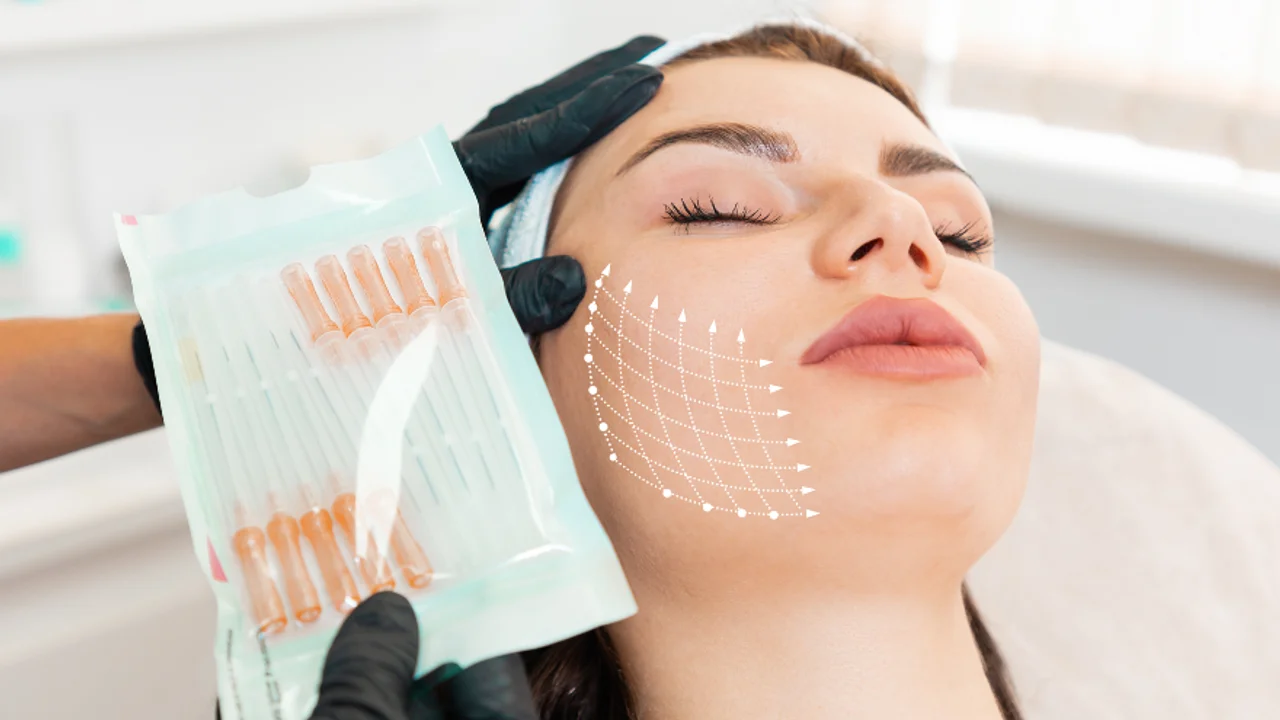
In the world of facial surgery, the "cheapest" option can often be the most expensive if it requires corrective surgery later. However, due to its highly efficient medical ecosystem, South Korea manages to be both the cheapest and the best for TMJ & Facial Alignment.
Estimated Cost Comparison (USD)
More Medical Articles
Continue reading clinical insights from Banpo Newborn Korean Medicine Clinic.

Why Seoul is the Global Hub for Minimally Invasive Vertigo Treatment
Dizziness and vertigo are among the most common reasons for hospital visits in South Korea, affecting nearly 16.7% of the adult population annually according to the Korea National Health and Nutrition Examination Survey (KNHANES).
Learn More

Tinnitus Relief in Seoul: Multidisciplinary Upper Cervical Care
For many, the sound of silence is replaced by a persistent ringing, buzzing, or hissing. In South Korea, this is more than an individual annoyance; it is a significant public health trend.
Learn More

Success Rates of SART for OPLL Compared to Standard Laminectomy in Korea
The prevalence of Ossification of the Posterior Longitudinal Ligament (OPLL) in East Asian populations, particularly in South Korea, is significantly higher than in Western countries, affecting approximately 2% to 4% of the population according to nationwide...
Learn More