SART Whole-Body Spinal Alignment, Chuna Therapy & International Patient Concierge
30+ Years Clinical Experience
en-US

Korean Medicine Guide
Torticollis and Scoliosis: Are They Connected in Growing Children?
Learn how torticollis may contribute to scoliosis in growing children. Explore causes, symptoms, and early treatments to prevent long-term spine issues.
Schedule a ConsultationTorticollis and Scoliosis: Are They Connected in Growing Children?
Understanding Early Postural Imbalances Through the Lens of Korean Medicine and Spinal Alignment Care
Have you ever noticed your child tilting their head to one side—sometimes subtly, sometimes quite noticeably—and wondered if it meant anything more than “just a habit”? Many parents first come to Banpo Newborn Korean Medicine Clinic with this exact concern. They arrive thinking their child’s stiff neck or head tilt is temporary. But after a thorough evaluation, they are often surprised to learn that torticollis (a persistent head tilt or neck rotation) is not only a musculoskeletal issue—it may also influence how the spine grows, potentially contributing to scoliosis over time.
To be honest, most parents don’t immediately connect these two conditions. Torticollis seems localized to the neck, while scoliosis affects the whole spine. But children’s bodies are brilliantly interconnected. When one segment of the musculoskeletal system is imbalanced, the rest adapts, often quietly and gradually. That’s why early detection—and early correction—can make such a meaningful difference.
At Banpo Newborn Korean Medicine Clinic, where we’ve spent more than 30 years helping children and adolescents grow with healthy alignment, we see this relationship every week. In this article, we’ll break down what torticollis and scoliosis each are, explore how they influence one another, and share how gentle, non-invasive treatments such as spatial spinal correction, Chuna therapy, and Spinal Alignment Restoration Therapy (SART) can help reset a child’s growth pattern before more serious issues develop.
What Is Torticollis? A Small Tilt with a Big Impact
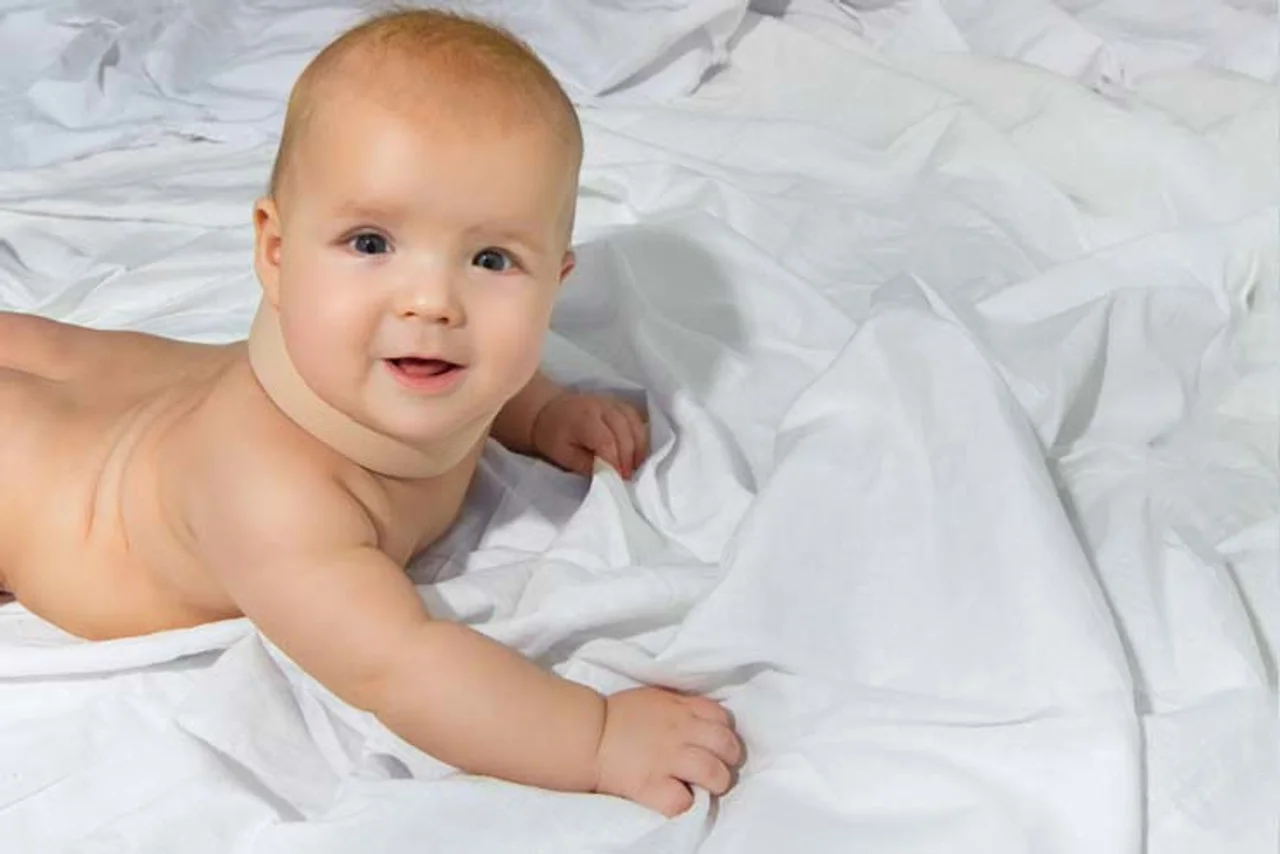
Torticollis is a condition in which the neck muscles pull the head into a persistent tilt or rotation. In children, we commonly see two types:
1. Congenital Muscular Torticollis (CMT)
Often present from birth or early infancy, this type is usually caused by tightness or shortening in the sternocleidomastoid (SCM) muscle. Babies may prefer turning their head in one direction, leading to asymmetrical development of facial bones and neck muscles.
2. Acquired Torticollis
This appears later in childhood due to factors such as:
Poor posture while studying or using digital devices
Trauma or sudden neck strain
Chronic muscle imbalance
TMJ tension
Visual or vestibular imbalances
In Korea, we frequently see acquired torticollis in students who spend long hours at desks or with smartphones—an everyday reality that subtly shapes the musculoskeletal system.
Regardless of the cause, torticollis introduces asymmetry into the child’s developing body. And asymmetry, when persistent, can influence the spine’s natural alignment.
Scoliosis: More Than a Curved Spine
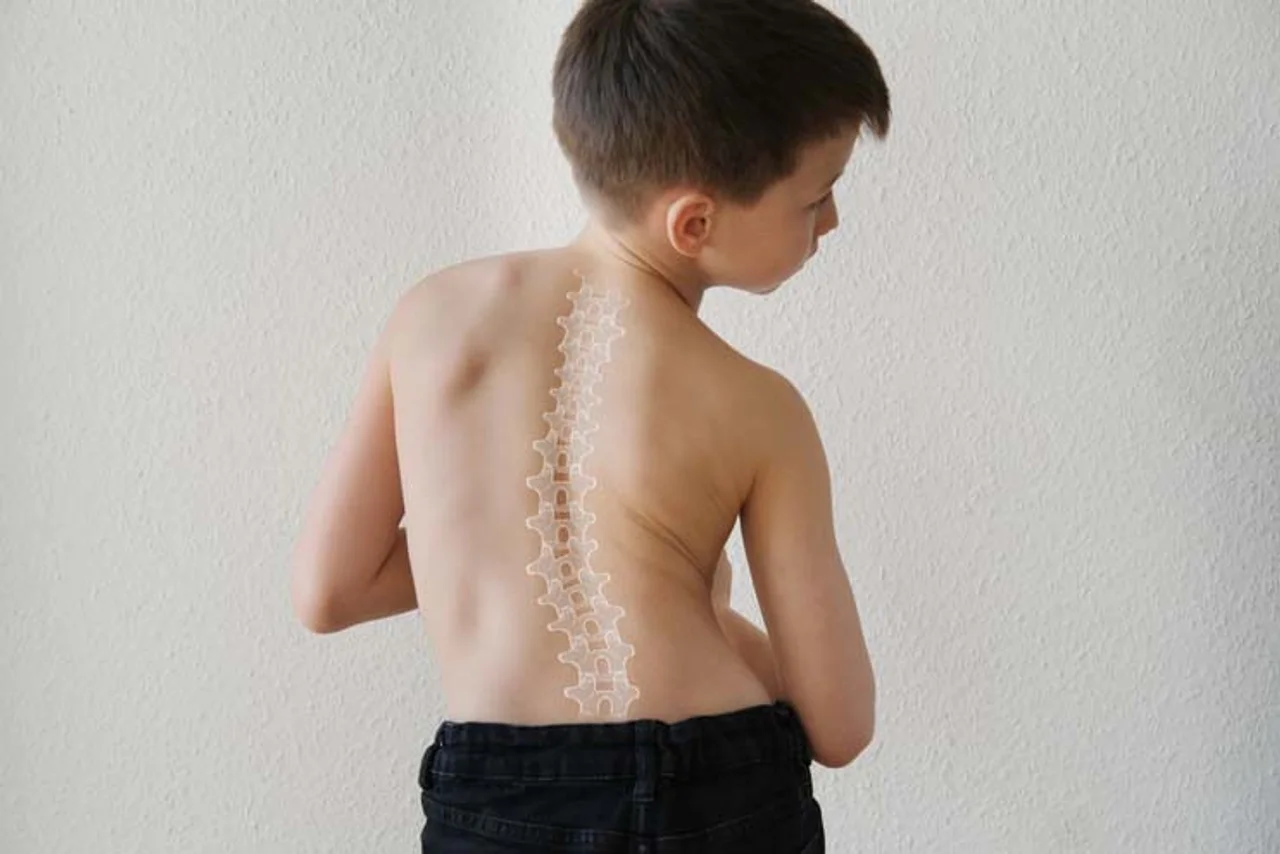
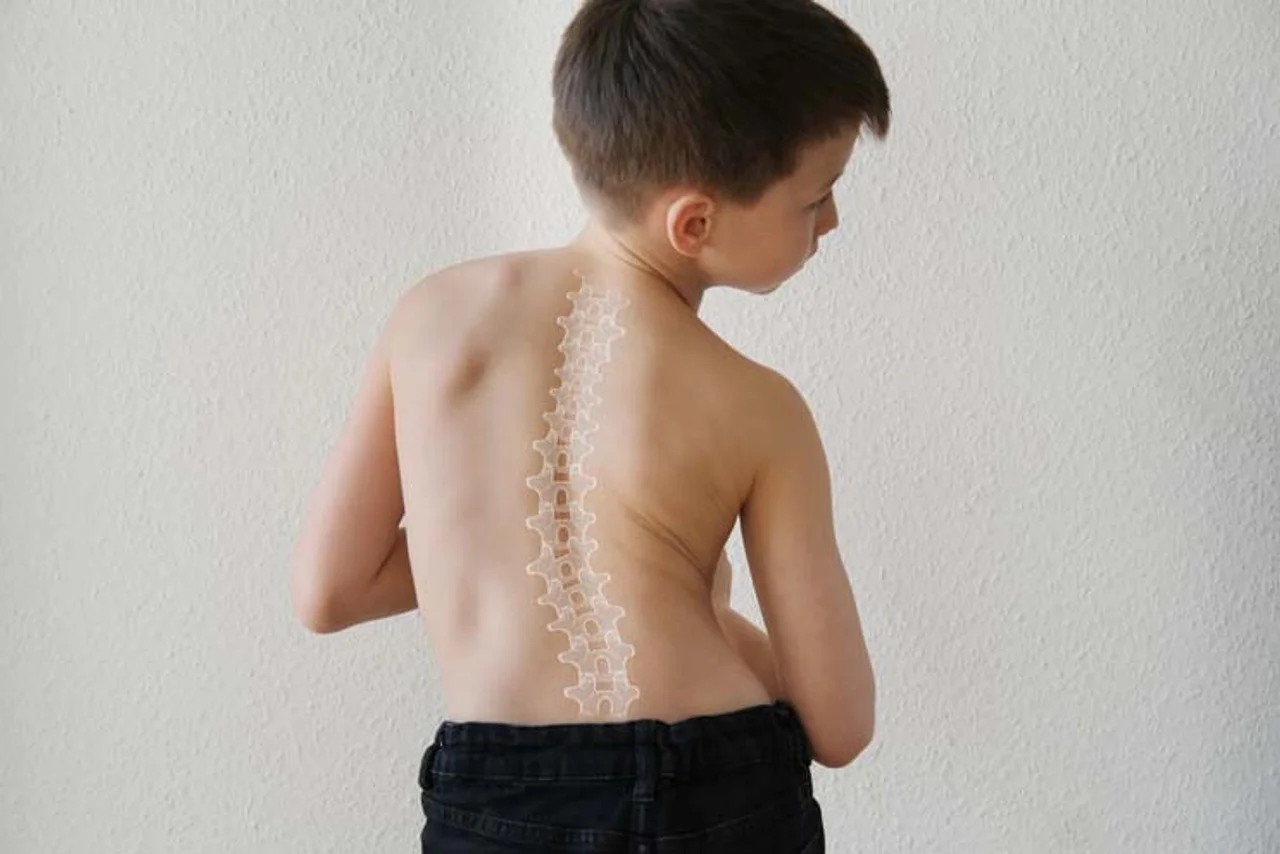
Scoliosis refers to a three-dimensional curvature of the spine, not just a simple sideways bend. It often reveals itself during rapid growth periods—most commonly between ages 10 and 15.
Parents usually discover it by noticing:
One shoulder higher than the other
A protruding shoulder blade
Uneven waist or hips
Clothing hanging unevenly
While some cases of scoliosis are structural (stemming from spinal vertebrae development), many are functional, meaning the spine curves due to muscular imbalance or habitual posture. And here is where the torticollis connection becomes clearer.
Are Torticollis and Scoliosis Connected? Yes—More Than Most People Realize
Many parents ask us:
"Can a neck problem really cause a spine problem?"
Our clinical experience—and growing research—suggests yes. While not every child with torticollis develops scoliosis, the two conditions interact in meaningful ways.
Let’s explore how.
1. Torticollis Creates an Asymmetrical Foundation for the Spine
Imagine building a house where the foundation is slightly tilted. Even if the tilt is small, the structure above must compensate. The same happens in the human body.
When a child’s head persistently tilts:
One side of the neck shortens
The opposite side lengthens
The shoulders adapt by raising or dropping
The thoracic spine rotates
The pelvis compensates by rotating or tilting
Over time, these cascading adjustments create a functional scoliosis pattern, driven not by spinal deformity but by muscular imbalance.
2. Head Position Influences Whole-Body Balance
A child’s body naturally works to keep the eyes level with the horizon. This neurological instinct is powerful. If the head tilts from torticollis, the rest of the spine twists and bends to restore visual balance.
This compensatory pattern can eventually become fixed, especially during growth spurts.
Dr. Ungjin Im often explains this phenomenon to parents using a simple metaphor:
“The head is like a compass for the body.
If the needle is off-center, everything else shifts to follow.”
3. Torticollis Affects Muscle Development on Both Sides of the Spine
When one side of the body is constantly working harder to keep the head upright, the muscles along that side of the spine grow more tense and thick. The opposite side becomes relatively weaker.
This uneven loading encourages a spine to bend or rotate, especially in flexible, growing bodies.
Children with long-standing torticollis often show:
A convex curve away from the tight side
Rib prominence or rotation
A functional curve that may develop into a structural one if unaddressed
4. Early Torticollis Can Change Growth Patterns of the Cervical and Facial Bones
In congenital torticollis, untreated muscle tightness can subtly alter:
Facial symmetry
Skull shape
Cervical vertebra alignment
These early imbalances become the “starting point” for the rest of the spine’s growth. When the upper spine begins unevenly, the lower spine often follows.
Think of it like stacking blocks: if the top block leans, the others lean to maintain balance.
5. Clinical Observations from Banpo Newborn Korean Medicine Clinic
Across thousands of pediatric cases over 30 years, we’ve seen a consistent pattern:
● Children with chronic torticollis show higher rates of early scoliosis indicators, such as shoulder elevation, rib rotation, or mild spinal deviation.
● Scoliosis progression often slows significantly when torticollis is treated early.
● Functional scoliotic curves frequently improve after restoring neutral neck alignment.
These findings align with international research showing that cervical misalignment contributes to thoracic and lumbar compensatory curves.
Why Early Treatment Matters
The spine grows rapidly during childhood, and even more rapidly during puberty. If torticollis persists during these periods, the asymmetrical forces can “shape” the spine as it grows.
The good news?
Children respond exceptionally well to gentle, non-invasive correction—especially before adolescence.
At our clinic, we frequently see functional curves of 5–15 degrees resolve naturally once the underlying torticollis and pelvic imbalance are corrected.
But timing matters.
Correct early, and the spine often returns to a healthy path.
Correct late, and the curve may have become structural, requiring more intensive long-term management.
How We Approach Torticollis and Scoliosis Together at Banpo Newborn Korean Medicine Clinic
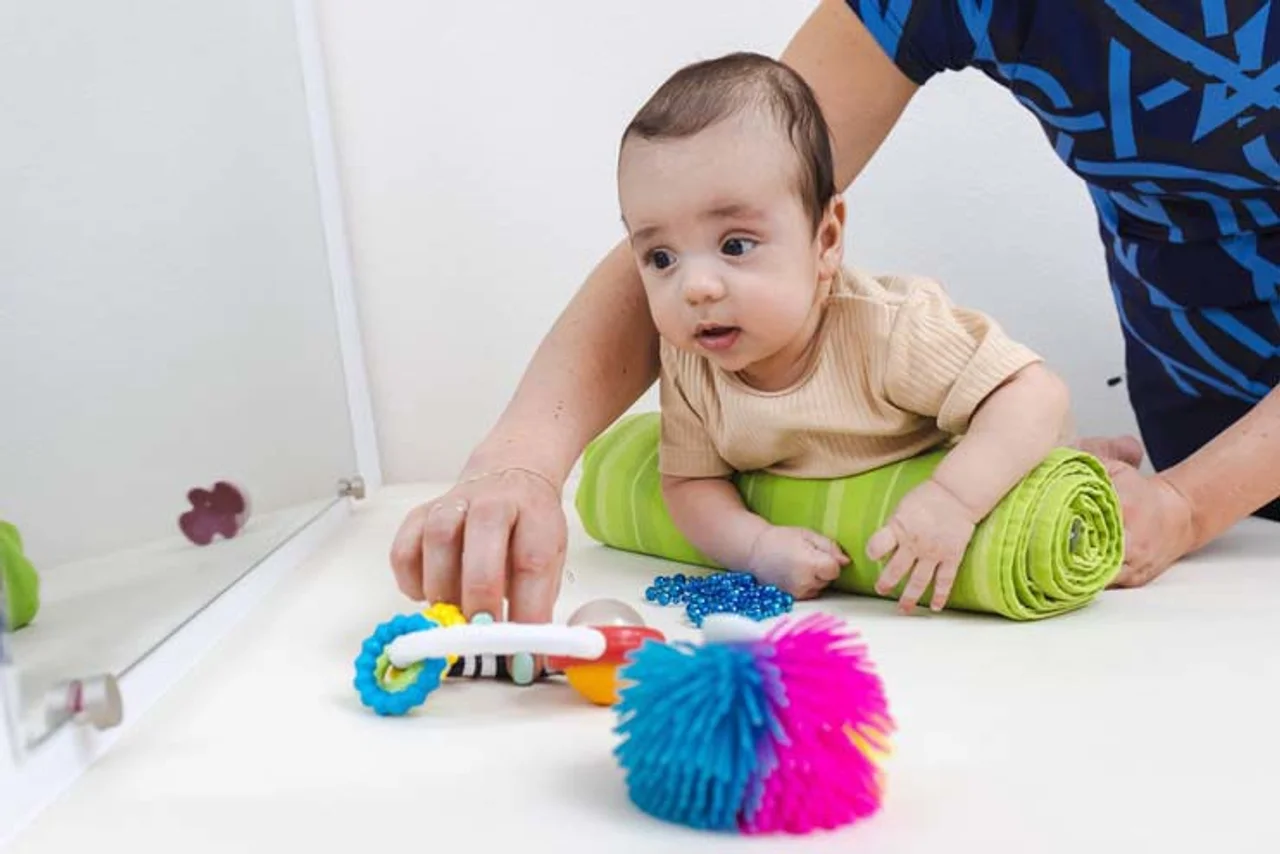
One of the strengths of Korean medicine is its holistic, interconnected view of the body. We view the spine, muscles, nerves, and posture not as isolated parts but as a coordinated network.
Below is an overview of how we approach these conditions.
1. Comprehensive Diagnostic Evaluation
We never diagnose based on symptoms alone. Every child receives:
Cervical range-of-motion assessment
Shoulder and pelvic alignment check
Postural photos and 3D alignment analysis
TMJ and cranial tension evaluation
Palpation for muscular imbalance
Growth history and lifestyle pattern review
Our goal is to identify why the torticollis developed and how it is influencing the rest of the body.
2. Spatial Spinal Correction (원위 공간척추교정)
A unique technique refined by Dr. Im, spatial spinal correction focuses on how different regions of the body influence each other through tension lines and gravitational balance.
Instead of simply stretching the neck, we correct:
Cervical tilt
Thoracic rotation
Pelvic shift
Lower-limb compensation
Parents are often surprised at how gently this works. Children feel immediate relief because the technique follows the body's natural biomechanical pathways.
3. Spinal Alignment Restoration Therapy (SART)
SART is designed to reset the body’s postural “memory.” It helps children break habitual patterns of head tilt and spinal compensation using precise, hands-on guidance.
It is especially effective for:
Early scoliosis
Habitual torticollis
Post-study posture issues
Children with TMJ-related neck imbalance
Many parents describe SART sessions as “relaxing yet transformative,” and children often walk out standing taller and straighter.
4. Pediatric Chuna Therapy
Chuna therapy gently mobilizes:
Tight cervical and thoracic joints
Strained spinal muscles
Pelvic misalignments
For children with torticollis, Chuna releases the deep-seated tension that keeps the neck locked in one direction. For scoliosis, it helps restore flexibility and correct vertebral rotation.
5. Customized Home Exercises for Growing Children
We also teach children and parents personalized home-care routines, including:
More Medical Articles
Continue reading clinical insights from Banpo Newborn Korean Medicine Clinic.

Why Seoul is the Global Hub for Minimally Invasive Vertigo Treatment
Dizziness and vertigo are among the most common reasons for hospital visits in South Korea, affecting nearly 16.7% of the adult population annually according to the Korea National Health and Nutrition Examination Survey (KNHANES).
Learn More

Tinnitus Relief in Seoul: Multidisciplinary Upper Cervical Care
For many, the sound of silence is replaced by a persistent ringing, buzzing, or hissing. In South Korea, this is more than an individual annoyance; it is a significant public health trend.
Learn More

Success Rates of SART for OPLL Compared to Standard Laminectomy in Korea
The prevalence of Ossification of the Posterior Longitudinal Ligament (OPLL) in East Asian populations, particularly in South Korea, is significantly higher than in Western countries, affecting approximately 2% to 4% of the population according to nationwide...
Learn More