SART Whole-Body Spinal Alignment, Chuna Therapy & International Patient Concierge
30+ Years Clinical Experience
en-US


Korean Medicine Guide
Waking Up with Hip Pain Daily? This Could Be Why
Wake up with hip pain every day? Discover common causes, underlying conditions, and effective treatments for morning hip pain relief and better mobility.
Schedule a ConsultationWaking Up with Hip Pain Daily? This Could Be Why

Have you ever opened your eyes in the morning, tried to roll out of bed, and felt a sharp or dull pain deep in your hip? For many people, the day doesn’t start with energy or clarity—it starts with stiffness, discomfort, and the quiet worry of “Why does this keep happening?”
If you’re waking up with hip pain day after day, you’re not alone. At Banpo Newborn Korean Medicine Clinic, we see this pattern frequently—office workers in their 30s and 40s, active seniors, young parents, and even students. To be honest, many people assume hip pain is just part of aging or sleeping “the wrong way.” But in reality, morning hip pain is often a signal from your body that something deeper is out of balance.
Let’s talk about why this happens, what your hip pain may be trying to tell you, and—most importantly—what you can do about it.
Why Is Hip Pain Often Worse in the Morning?
Pain that’s strongest right after waking up is rarely random. While you sleep, your body is relatively still for hours. Blood circulation slows, joints don’t move, and muscles remain in one position for a long time. If your body alignment is healthy, you wake up feeling refreshed. But if there’s an underlying imbalance, the morning is when it shows itself most clearly.
From a Korean medicine and structural perspective, morning hip pain usually points to joint restriction, spinal misalignment, or chronic muscle tension rather than an acute injury.
Think of it like this:
If a door hinge is slightly bent, you may not notice it when the door is already open. But after it stays closed all night, the stiffness becomes obvious the moment you try to move it again.
The Hip Is Not Just a “Hip Problem”
One of the most misunderstood aspects of hip pain is this: the hip rarely works alone.
The hip joint connects your spine, pelvis, and legs. It absorbs shock, supports your body weight, and plays a central role in walking, sitting, and sleeping posture. When something goes wrong elsewhere—especially in the spine—the hip often pays the price.
At Banpo Newborn Korean Medicine Clinic, Dr. Ungjin Im often explains it this way:
“The hip is like the foundation pillar of a house. If the structure above it is tilted, the pillar will crack—not because it’s weak, but because it’s compensating.”
Common Reasons You Wake Up with Hip Pain

1. Pelvic Misalignment During Sleep
Your pelvis is the bridge between your upper and lower body. Even a small tilt or rotation can place uneven pressure on one hip joint overnight.
Many patients tell us:
“I always sleep on my side.”
“I cross my legs without realizing.”
“I wake up in the same curled position every morning.”
These habits may feel comfortable, but over time they can twist the pelvis slightly. When the pelvis is misaligned, one hip joint is compressed more than the other, leading to morning stiffness, deep aching, or pinching pain.
2. Spinal Imbalance Affecting the Hip Joint
This is one of the most overlooked causes.
The lumbar spine (lower back) directly influences hip movement. If the spine is rotated, compressed, or curved unnaturally—due to poor posture, long hours of sitting, or old injuries—the hip compensates.
During the day, movement masks the issue. At night, reduced circulation and prolonged stillness allow inflammation and nerve sensitivity to build up. The result? Pain when you wake up.
This is why treating only the hip often fails. Without correcting the spine, relief is temporary.
3. Muscle and Fascia Tightness from Daily Habits
Modern lifestyles are tough on the hips:
Long hours at a desk
Sitting cross-legged on the floor
Excessive smartphone use
Minimal stretching
Over time, muscles like the hip flexors, gluteal muscles, and deep pelvic stabilizers become tight and shortened. Fascia—connective tissue that wraps around muscles—loses elasticity.
When you lie still all night, these tightened tissues stiffen further. The first few steps in the morning pull on restricted muscles, causing pain.
Many patients say:
“It gets better after I walk for a bit.”
That’s a classic sign of muscular and fascial restriction rather than structural damage alone.
4. Degenerative Changes Are a Factor—but Not the Whole Story
Some people are told:
“It’s just arthritis.”
“You’re getting older.”
“There’s nothing you can do.”
While joint degeneration can contribute to hip pain, especially in older adults, it’s rarely the sole cause of morning pain. We often see patients with minimal imaging findings but severe pain—and others with visible degeneration but very little discomfort.
What matters more is how well the joint is aligned and how evenly force is distributed.
5. Poor Mattress and Sleep Posture (But Only Partly)
Yes, your mattress and pillow matter—but they’re usually not the root cause.
A mattress that’s too soft can allow the pelvis to sink unevenly. One that’s too hard can increase pressure on the hip joint. However, changing your mattress without addressing spinal or pelvic imbalance is like repainting a cracked wall without fixing the foundation.
Why Ignoring Morning Hip Pain Is Risky
Many people push through the discomfort, hoping it will disappear. Unfortunately, chronic compensation leads to:
Lower back pain
Knee pain
Sciatic nerve irritation
Postural imbalance
Reduced mobility over time
To be honest, by the time pain becomes constant throughout the day, the body has already adapted to a faulty pattern.
Early morning pain is actually a valuable warning sign.
A Korean Medicine Perspective: The Body as One System
In Korean medicine, pain is not viewed as an isolated symptom. It’s a sign that qi (vital energy), blood flow, and structural balance are disrupted.
When hip pain appears in the morning, it often indicates:
Poor circulation during rest
Structural blockage along the spinal-pelvic axis
Chronic tension stored in deep tissues
This is why treatments that only target inflammation or pain signals often fall short. True healing requires restoring alignment, movement, and balance.
How Banpo Newborn Approaches Chronic Morning Hip Pain
At Banpo Newborn Korean Medicine Clinic, we don’t start with the question, “Where does it hurt?”
We start with, “Why is your body compensating this way?”
1. Comprehensive Structural Assessment
Dr. Ungjin Im performs a detailed evaluation of:
Spinal alignment
Pelvic balance
Leg length symmetry
Joint mobility
Muscle tension patterns
Many patients are surprised to learn that their hip pain is linked to a subtle spinal deviation they never noticed.
2. Spinal Alignment Restoration Therapy (SART)
SART is one of the clinic’s signature approaches. It focuses on:
Gentle, precise correction of spinal misalignment
Restoring natural curves and joint spacing
Reducing pressure on the hip joint and surrounding nerves
This is non-surgical, non-invasive, and tailored to each patient’s body structure.
Patients often report:
Easier movement in the morning
Reduced stiffness within weeks
A sense that their body feels “balanced again”
3. Chuna Therapy for Pelvic and Hip Balance
Chuna therapy uses manual techniques to:
Reposition the pelvis
Release deep muscle tension
Improve joint mechanics
Unlike forceful adjustments, Banpo Newborn’s approach emphasizes precision and safety, especially for patients with long-standing pain.
4. Supporting Therapies for Circulation and Recovery
Depending on the individual, treatment may also include:
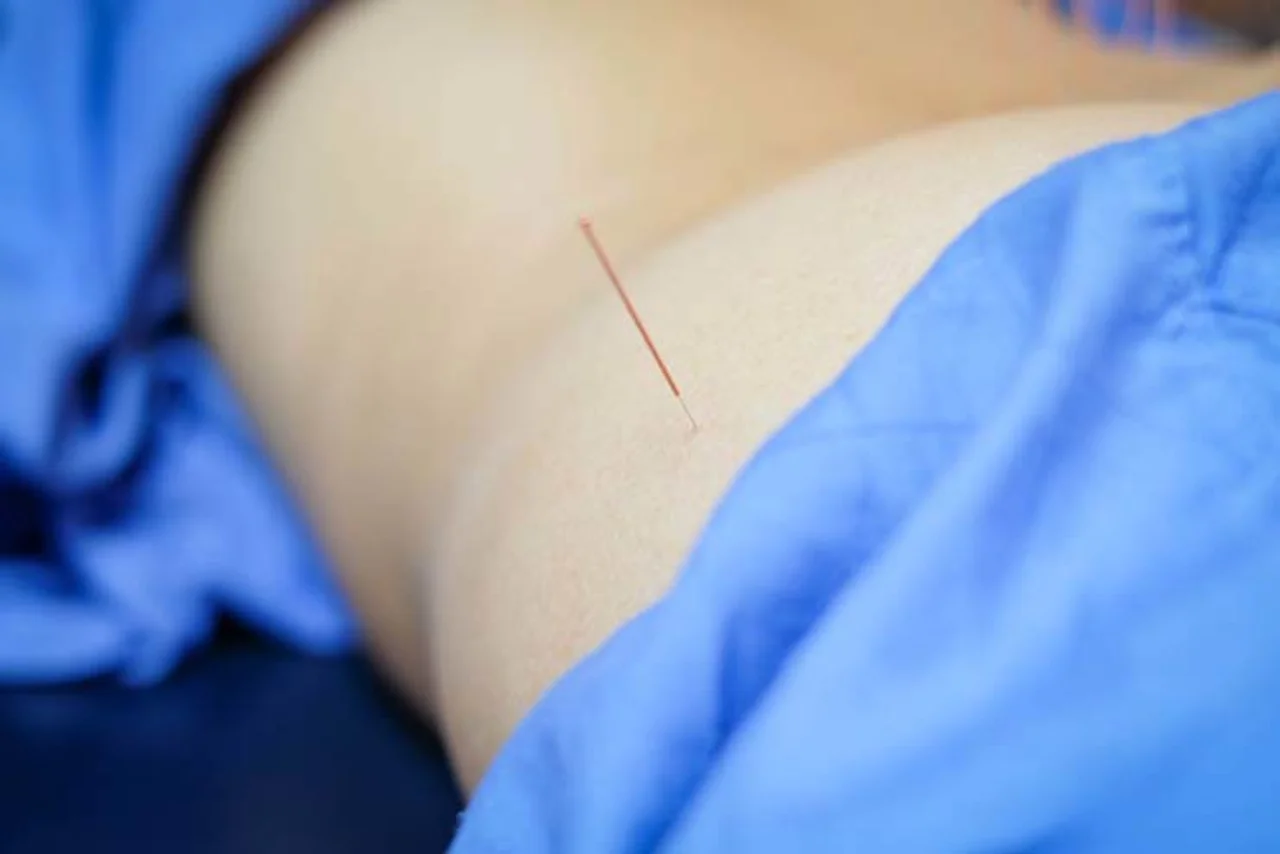
Acupuncture to improve blood flow and nerve regulation
Herbal medicine to support tissue recovery and reduce chronic inflammation
Guided movement advice for daily life
Small Daily Habits That Can Make a Difference
While professional care is essential for lasting change, these habits can help reduce morning hip pain:
Avoid sleeping with one knee pulled tightly to the chest
Use a pillow between the knees if you sleep on your side
Avoid sitting cross-legged for long periods
Stand up and move every 30–60 minutes during the day
Stretch gently before bed—not aggressively in the morning
If pain persists despite these changes, it’s a sign that deeper correction is needed.
You Don’t Have to Wake Up in Pain Forever
If you’ve been living with daily morning hip pain, it’s easy to feel discouraged. But pain is not a life sentence—it’s a message.
At Banpo Newborn Korean Medicine Clinic, we’ve seen countless patients who thought their condition was “untreatable” regain comfortable mornings and confident movement again. Healing doesn’t always require surgery or medication. Sometimes, it starts with understanding how your body has been compensating—and guiding it back to balance.
If waking up hurts, your body is asking for attention.
And with the right care, it can learn to rest—and wake—without pain again.
More Medical Articles
Continue reading clinical insights from Banpo Newborn Korean Medicine Clinic.

Why Seoul is the Global Hub for Minimally Invasive Vertigo Treatment
Dizziness and vertigo are among the most common reasons for hospital visits in South Korea, affecting nearly 16.7% of the adult population annually according to the Korea National Health and Nutrition Examination Survey (KNHANES).
Learn More

Tinnitus Relief in Seoul: Multidisciplinary Upper Cervical Care
For many, the sound of silence is replaced by a persistent ringing, buzzing, or hissing. In South Korea, this is more than an individual annoyance; it is a significant public health trend.
Learn More

Success Rates of SART for OPLL Compared to Standard Laminectomy in Korea
The prevalence of Ossification of the Posterior Longitudinal Ligament (OPLL) in East Asian populations, particularly in South Korea, is significantly higher than in Western countries, affecting approximately 2% to 4% of the population according to nationwide...
Learn More