SART Whole-Body Spinal Alignment, Chuna Therapy & International Patient Concierge
30+ Years Clinical Experience
en-US

Korean Medicine Guide
Waking Up with Hip Pain? Korean Medicine May Offer the Relief You Need
Early signs of baby torticollis? Learn symptoms, causes, and why early treatment is key to proper neck development and faster recovery.
Schedule a ConsultationWaking Up with Hip Pain? Korean Medicine May Offer the Relief You Need
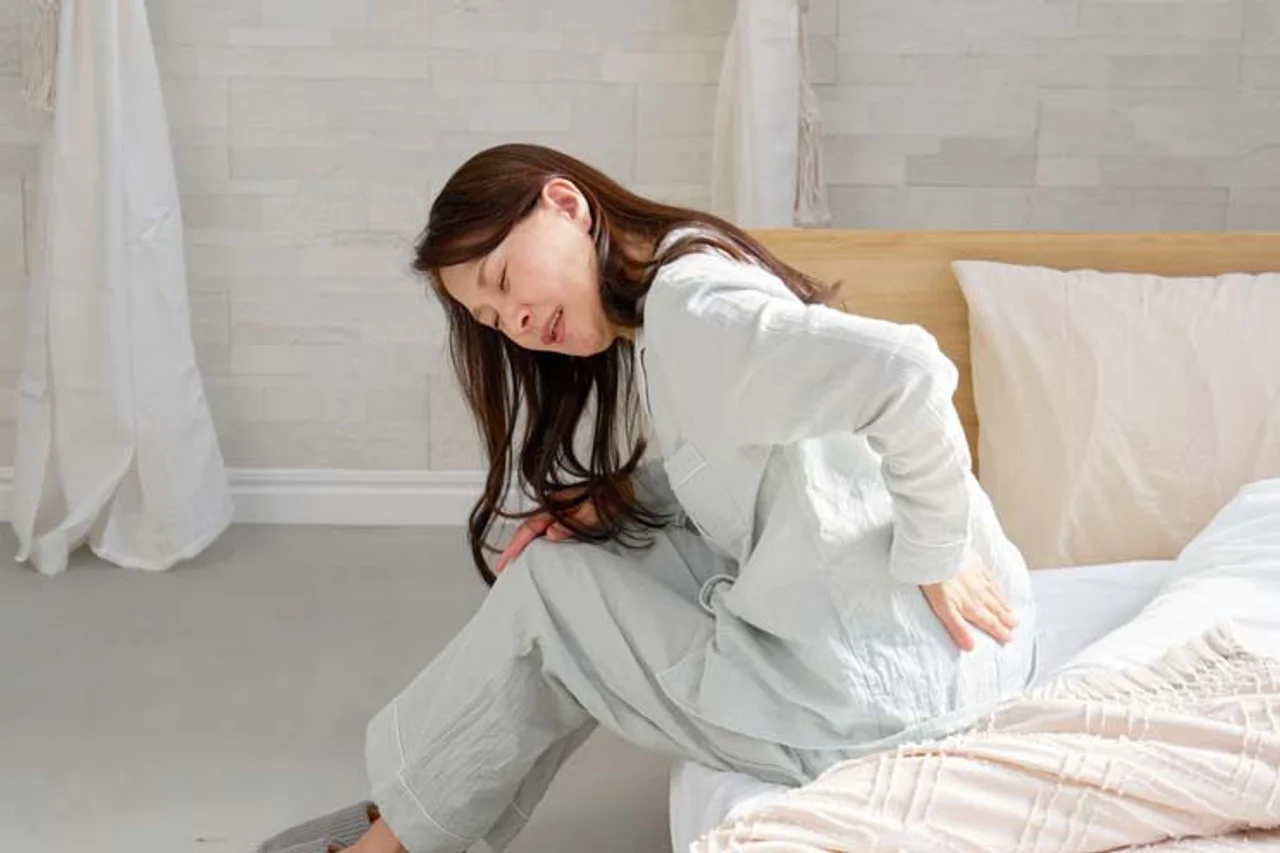
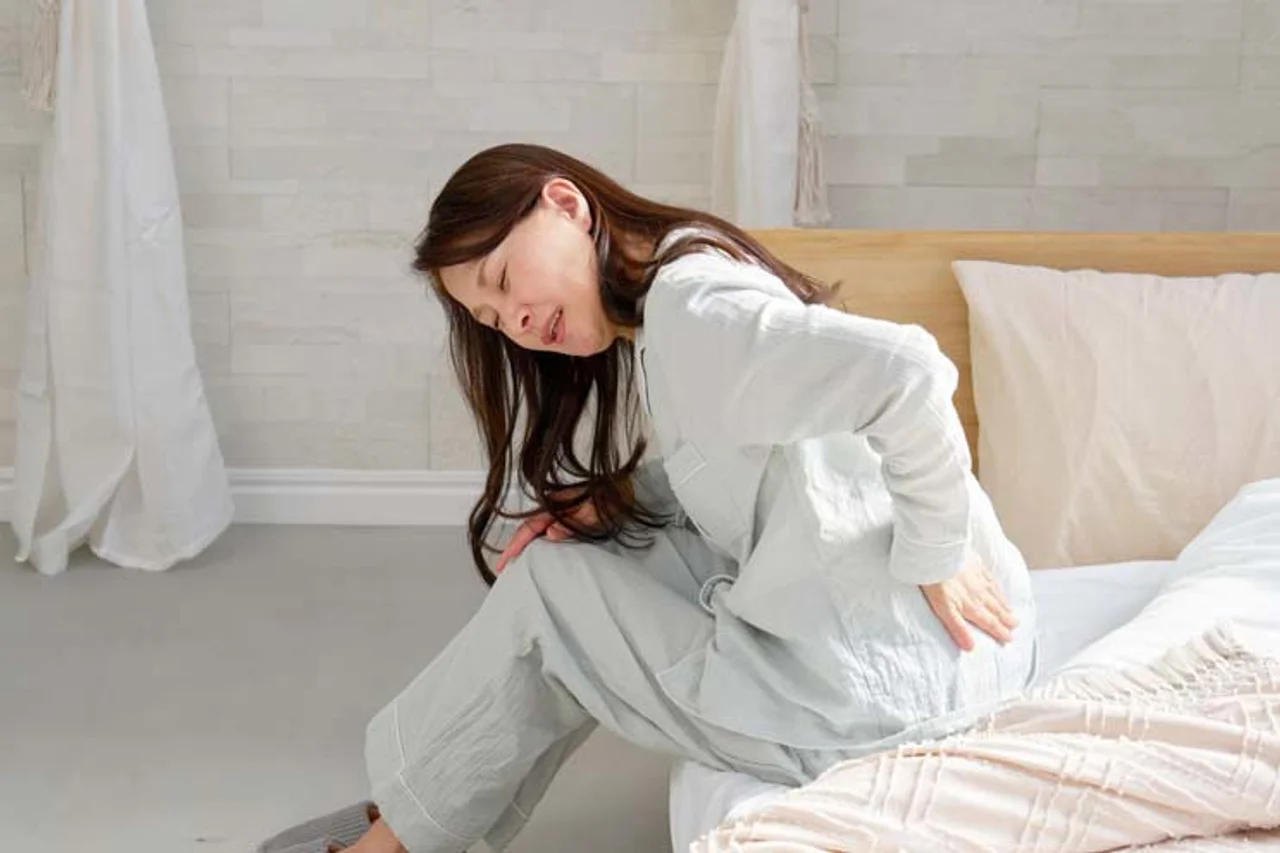
If you’re waking up each morning with a dull ache in your hip—or worse, a sharp, stabbing pain that makes you hesitate before getting out of bed—you’re not alone. Many Koreans, especially office workers, parents caring for young children, and middle-aged adults, quietly endure morning hip pain without understanding where it comes from. Some assume it’s just “aging,” while others blame a hard mattress or poor sleeping posture.
But to be honest, what we see at Banpo Newborn Korean Medicine Clinic tells a different story.
Morning hip pain is rarely just about the hip. More often, it's a sign of deeper misalignments in the spine, pelvis, and surrounding musculature—issues that accumulate silently over months or even years. And because Korean medicine approaches the body as an interconnected system rather than isolated parts, it allows us to uncover the root causes that conventional tests sometimes overlook.
For over 30 years in Banpo, Dr. Ungjin Im and our team have been helping patients understand why their body hurts in the morning—and more importantly, guiding them back to pain-free movement through non-surgical, precise spinal and pelvic correction.
In this article, I’ll explain what causes morning hip pain, why Korean medicine offers uniquely effective solutions, and how treatments like Chuna therapy, Spinal Alignment Restoration Therapy (SART), and spatial spinal correction can help you recover naturally and sustainably.
Why Does Hip Pain Show Up in the Morning?
Many patients are surprised that their hip pain is worst after a full night of rest. Shouldn’t sleep solve the problem?
In reality, the opposite often happens. During the day, you’re constantly moving—walking, sitting, twisting, bending. This movement acts as a kind of temporary “massage,” keeping joints warm and muscles active. But at night, the body settles into stillness. If the spine or pelvis is even slightly misaligned, that stillness can intensify inflammation, stiffness, and pressure around the hip joint.
Common underlying causes we see at the clinic include:
1. Pelvic Misalignment
This is by far one of the most common reasons for morning hip pain.
When the pelvis tilts forward, backward, or rotates to one side—even subtly—it changes how your weight loads into your hip joints. Think of a house built on a slanted foundation; eventually the doors don’t open properly, and cracks form in the walls. Your hips respond the same way.
Patients with pelvic misalignment often describe sensations like:
Pain when first standing up
A "locking" or catching feeling
Alternating hip and low-back pain
2. Tight Iliopsoas and Gluteal Muscles
Sitting for long hours, which is extremely common in Korean work culture, shortens key muscles that stabilize the hip. During sleep, these muscles cool down and stiffen, leading to pain when you first begin moving.
3. Spinal Imbalances Affecting the Hip
Few people realize how strongly the lumbar spine influences hip mechanics. A rotated or compressed lumbar segment—often caused by poor posture or past injuries—can overload one hip more than the other.
As Dr. Im often says:
“The hip is never just a hip. It is the mirror of the spine.”
4. Unresolved Old Injuries
An ankle sprain from years ago, childbirth-related pelvic widening, or past sports injuries can leave residual asymmetries that gradually strain the hip joint.
5. Inflammation of the Hip Joint
Conditions such as bursitis, tendonitis, or early osteoarthritis commonly flare during rest. Korean medicine offers powerful natural approaches to reduce this inflammation without depending solely on medication.
Whatever the cause, waking-up hip pain is not something to ignore. It is your body’s way of saying, “My alignment isn’t working.”
Why Korean Medicine Is Especially Effective for Morning Hip Pain

Korean medicine views the musculoskeletal system through the lens of balance, structure, and energy flow (qi). Rather than simply treating the painful area, we analyze the entire chain of movement: the spine, pelvis, hip joint, surrounding muscles, and even the diaphragm.
There are three core principles that guide our approach at Banpo Newborn:
1. Treat the Foundation, Not Just the Symptom
Applying ointment to the hip or stretching the muscles may offer temporary relief, but if the pelvis is tilted or the lumbar spine is compressed, the pain will keep returning.
Korean medicine, especially through Chuna manual therapy and SART, focuses on correcting these underlying structural issues.
2. Restore Natural Movement Patterns
Many patients have no idea how much their gait, posture, or sleeping habits have been altered due to hidden compensations in the body. We help the body relearn efficient, pain-free movement.
3. Encourage Holistic Healing
Acupuncture, herbal medicine, and manual therapy work together to reduce inflammation, improve circulation, and relax overworked muscles—creating an environment where the body can heal deeply and sustainably.
How Banpo Newborn Korean Medicine Clinic Treats Hip Pain
Our clinic uses a combination of specialized diagnostic techniques and personalized treatments that reflect more than three decades of clinical experience.
Here’s how we typically evaluate and treat patients waking up with hip pain:
Step 1: Comprehensive Structural Assessment
Before we begin any treatment, we examine:
Pelvic alignment
Leg length discrepancies
Lumbar spine rotation
Hip mobility and joint spacing
Muscle tension patterns
Gait and standing posture
Many patients tell us it’s the first time someone has explained why their hip hurts, not just what hurts.
One of Dr. Im’s original insights is that hip pain often comes from spatial distortion of the pelvis, where the pelvis shifts forward on one side and backward on the other—something that cannot be seen on standard X-rays but becomes clear through hands-on evaluation.
Step 2: Spinal Alignment Restoration Therapy (SART)
Unique to our clinic, SART focuses on precise, gentle adjustments that realign the spine and pelvis in three-dimensional space. Unlike forceful manipulations, SART relies on subtle guided movements that encourage the body to reset itself.
Patients often describe feeling lighter, taller, or more balanced immediately after a session.
In cases of hip pain:
It reduces pressure on the hip joint
Restores even weight distribution
Alleviates nerve compression in the lower back
Step 3: Chuna Therapy for Pelvis and Hip
Chuna therapy is one of the most effective Korean medical treatments for hip pain. It involves hands-on mobilization techniques that release tight muscles, reposition the pelvis, and create more space in the hip joint.
We may use:
Pelvic balancing techniques
Soft tissue release around the gluteus medius and iliopsoas
Joint mobilization to restore smooth hip motion
Patients often say, “I didn’t realize how stiff my hips were until they moved correctly again.”
Step 4: Acupuncture and Moxibustion
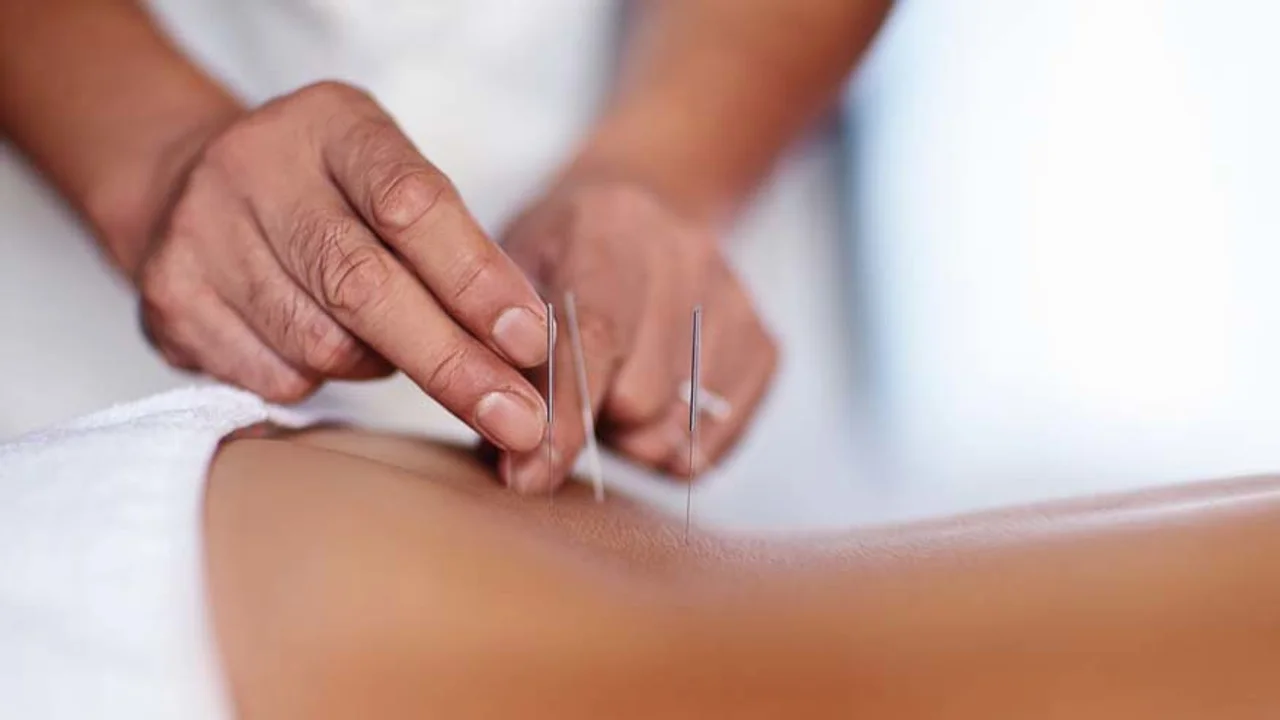
To reduce morning stiffness and inflammation, acupuncture is a powerful tool. It improves circulation, relaxes deep muscles, and calms irritated nerves.
We often target points such as:
GB29, GB30 for hip joint release
BL23, BL25 for lumbar support
ST31, ST36 for improving lower-limb alignment
Moxibustion may also be used to warm the hip joint and support healing, especially for chronic conditions or cold-type pain.
Step 5: Herbal Medicine for Inflammation and Circulation
When needed, we prescribe herbal formulas that promote:
Reduced swelling
Faster tissue repair
Stronger tendons and ligaments
These formulas are adjusted based on each patient’s constitution and symptoms, ensuring safety and long-term effectiveness.
Step 6: Personalized Guidance for Sleep and Daily Habits
Morning hip pain doesn’t exist in isolation. Small changes in lifestyle can dramatically improve recovery.
Patients may receive advice on:
Ideal sleeping positions
Hip-friendly stretching routines
How to adjust sitting posture at work
Proper walking mechanics
Core stabilization exercises
Many patients tell us these simple adjustments feel life-changing when combined with treatment.
A Real Patient Story: “I Thought My Mattress Was the Problem”
One of our patients, a 42-year-old office worker, arrived frustrated and exhausted. She had replaced her mattress twice, tried new pillows, and even bought expensive ergonomic supports—but still woke up each morning limping from hip pain.
Her diagnosis? Pelvic rotation combined with a lumbar misalignment, likely from years of sitting cross-legged and sleeping curled to one side.
After four weeks of Chuna therapy, SART, and acupuncture, her morning hip pain reduced by more than 70%. By the eighth week, she told us:
“Now I wake up feeling rested—not broken.”
Her story is far from unique; in fact, it reflects the majority of hip-pain patients we see.
Why Ignoring Morning Hip Pain Can Lead to Bigger Problems
Hip pain rarely stays the same over time. Without treatment, it often evolves into:
Chronic lower back pain
Sciatica or nerve compression
Knee or ankle pain due to compensation
Early joint wear and arthritis
Difficulty walking long distances
The hip is one of the central pillars of your musculoskeletal system. When it isn’t functioning well, your entire body pays the price.
When to Seek Professional Korean Medicine Care
If you experience any of the following, it’s time for a professional evaluation:
More Medical Articles
Continue reading clinical insights from Banpo Newborn Korean Medicine Clinic.

Why Seoul is the Global Hub for Minimally Invasive Vertigo Treatment
Dizziness and vertigo are among the most common reasons for hospital visits in South Korea, affecting nearly 16.7% of the adult population annually according to the Korea National Health and Nutrition Examination Survey (KNHANES).
Learn More

Tinnitus Relief in Seoul: Multidisciplinary Upper Cervical Care
For many, the sound of silence is replaced by a persistent ringing, buzzing, or hissing. In South Korea, this is more than an individual annoyance; it is a significant public health trend.
Learn More

Success Rates of SART for OPLL Compared to Standard Laminectomy in Korea
The prevalence of Ossification of the Posterior Longitudinal Ligament (OPLL) in East Asian populations, particularly in South Korea, is significantly higher than in Western countries, affecting approximately 2% to 4% of the population according to nationwide...
Learn More