SART Whole-Body Spinal Alignment, Chuna Therapy & International Patient Concierge
30+ Years Clinical Experience
en-US

Korean Medicine Guide
What Is Mental & Neurological Disorders Treatment Guide
Learn about advanced treatments for Mental & Neurological Disorders. Compare costs, technologies, and why South Korea is the leader in brain health.
Schedule a ConsultationIntroduction
Navigating the complexities of the human brain can be overwhelming. When a patient or a loved one is diagnosed with Mental & Neurological Disorders, the road to recovery often feels uncertain. Historically, the medical world treated the "physical" brain and the "emotional" mind as two separate entities. However, modern science has revealed that the two are deeply interconnected. Today, "Integrated Brain Health" is the gold standard, focusing on treating the whole person rather than just a set of symptoms.
This guide is designed to serve as a roadmap for patients seeking advanced care. Whether you are dealing with a movement disorder like Parkinson’s or a persistent mental health challenge like treatment-resistant depression, understanding your options is the first step toward healing. In this guide, we will explore the latest technologies, the difference between various disorders, and why South Korea has become the world’s premier destination for specialized brain care.

Understanding the Brain-Mind Connection
To understand treatment, we must first define what we are treating. The brain is the body's most complex organ, acting as both the hardware and the software of our existence.
Neurological Disorders (The Hardware): These involve physical, structural, or electrical issues within the nervous system. If the "wiring" of the brain is damaged due to injury or disease, it results in a neurological condition.
Mental Disorders (The Software): These involve changes in thinking, mood, or behavior. While these often have a biological basis in brain chemistry, they manifest as emotional or psychological challenges.
Modern medicine is moving away from this strict binary. We now know that chronic neurological issues can lead to mental health struggles, and long-term mental health disorders can actually change the physical structure of the brain. Integrated treatment addresses both sides of this coin simultaneously.
Categorizing the Disorders: What Are We Treating?
Before choosing a treatment path, it is essential to categorize the condition correctly. South Korean "Smart Hospitals" use ultra-high-resolution diagnostics to ensure patients receive an accurate diagnosis, which is the foundation of any successful "before and after" story.
Neurological Disorders
These conditions typically require the expertise of a neurologist or a neurosurgeon:
Movement Disorders: Parkinson’s disease, essential tremors, and dystonia.
Electrical Issues: Epilepsy and various seizure disorders.
Structural Damage: Stroke, Traumatic Brain Injury (TBI), and spinal cord injuries.
Degenerative Conditions: Dementia, Alzheimer’s, and ALS.
Mental Disorders
These conditions are usually managed by psychiatrists and clinical psychologists:
Mood Disorders: Major Depressive Disorder (MDD) and Bipolar Disorder.
Anxiety Disorders: Generalized Anxiety, Panic Disorder, PTSD, and OCD.
Neurodevelopmental Issues: Adult ADHD and high-functioning autism support.
Modern Treatment Modalities: A Comprehensive Overview
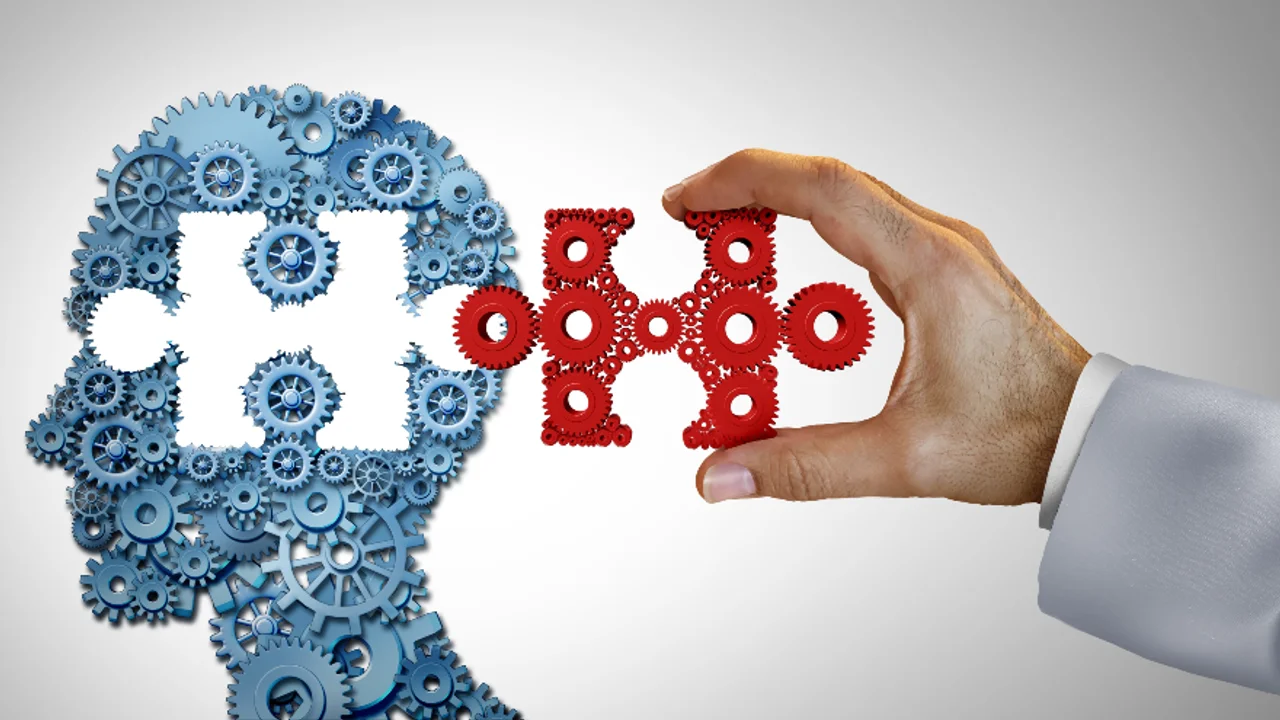
The "Next-Gen" of treatment for Mental & Neurological Disorders goes far beyond traditional daily pills. Here are the primary modalities used in leading medical centers today.
1. Advanced Pharmacotherapy
While medication is common, the new generation of neuro-psychotropic drugs is more targeted. In South Korea, specialists use genetic testing (pharmacogenomics) to see how your specific DNA reacts to certain drugs, reducing the "trial and error" phase of finding the right prescription.
2. Non-Invasive Neuromodulation
This is one of the most exciting fields in brain health. Technologies like rTMS (Repetitive Transcranial Magnetic Stimulation) use magnetic pulses to stimulate specific nerve cells in the brain. It is painless, requires no anesthesia, and is highly effective for depression and chronic pain.
3. Neurosurgical Intervention
For severe cases, minimally invasive surgery can offer permanent relief. Deep Brain Stimulation (DBS) involves placing thin electrodes in specific brain areas, acting like a "pacemaker for the brain" to stop tremors or seizures.
4. Digital Therapeutics and AI
South Korea is a leader in using Virtual Reality (VR) for cognitive training. Patients with PTSD or stroke-related cognitive decline use VR environments to "retrain" their brains in a safe, controlled setting.
Comparison of Common Treatment Modalities
Treatment Type | Invasive? | Best For... | Typical Duration |
|---|---|---|---|
rTMS | No | Depression, OCD, Pain | 20–30 min sessions |
DBS Surgery | Yes (Minimally) | Parkinson's, Epilepsy | Permanent Implant |
HIFU | No | Essential Tremors | Single Procedure |
VR Therapy | No | Stroke Rehab, PTSD | Ongoing |
Why Patients Choose South Korea for Treatment
South Korea has earned its reputation as the "Gold Standard" for brain health. Patients from the US, Europe, and the Middle East travel to Seoul because the medical infrastructure is built for speed, precision, and patient comfort.
Technology Leadership
South Korean hospitals possess the world's most advanced diagnostic suites. While a 1.5T MRI is standard in many countries, Korean centers frequently use 3T or 7T MRI machines. This allows doctors to see brain structures in vivid detail, identifying issues that a standard scan might miss.
Integrative Care Model
In the West, you might see a neurologist in one building and a psychiatrist in another. In South Korea, these specialists work in the same "Center for Brain Health." This ensures that your treatment plan is 360-degree, addressing both the physical and emotional aspects of your recovery.
Efficiency and Speed
In many healthcare systems, waiting for an MRI and a follow-up consultation can take weeks or even months. In South Korea, the process is streamlined. Diagnostic results are often delivered within 24 to 48 hours, allowing treatment to begin almost immediately.
Global Price Comparison: The South Korea Advantage
Precision care for Mental & Neurological Disorders does not have to be financially devastating. South Korea is globally recognized as the cheapest and best destination for these treatments.
Estimated Treatment Cost Comparison (USD)
More Medical Articles
Continue reading clinical insights from Banpo Newborn Korean Medicine Clinic.

Why Seoul is the Global Hub for Minimally Invasive Vertigo Treatment
Dizziness and vertigo are among the most common reasons for hospital visits in South Korea, affecting nearly 16.7% of the adult population annually according to the Korea National Health and Nutrition Examination Survey (KNHANES).
Learn More

Tinnitus Relief in Seoul: Multidisciplinary Upper Cervical Care
For many, the sound of silence is replaced by a persistent ringing, buzzing, or hissing. In South Korea, this is more than an individual annoyance; it is a significant public health trend.
Learn More

Success Rates of SART for OPLL Compared to Standard Laminectomy in Korea
The prevalence of Ossification of the Posterior Longitudinal Ligament (OPLL) in East Asian populations, particularly in South Korea, is significantly higher than in Western countries, affecting approximately 2% to 4% of the population according to nationwide...
Learn More