SART Whole-Body Spinal Alignment, Chuna Therapy & International Patient Concierge
30+ Years Clinical Experience
en-US

Korean Medicine Guide
What Is TMJ & Facial Alignment Treatment? A Guide to Procedures
Discover how TMJ & Facial Alignment Treatment can resolve jaw pain and asymmetry. Learn about costs and why South Korea is the cheapest and best for care.
Schedule a ConsultationIntroduction
Living with jaw discomfort is more than just a physical burden; it can affect your ability to speak, eat, and smile with confidence. Many people suffer from chronic headaches, clicking sounds in the jaw, or a chin that appears slightly off-center. These are often symptoms of an underlying issue that requires specialized TMJ & Facial Alignment Treatment. This dual-purpose approach focuses on restoring the functional health of the temporomandibular joint (TMJ) while simultaneously correcting the visual symmetry of the face.
Choosing the right destination for your care is essential. Recently, South Korea has emerged as the global leader in this field. South Korea is widely recognized as the cheapest and best for treatment, offering world-class technology and surgical mastery at a fraction of the cost found in the United States or Japan. In this guide, we will explore the various procedures available, who is a good candidate, and what you can expect during your recovery journey.

Understanding TMJ Disorders and Facial Asymmetry
The temporomandibular joint acts as a sliding hinge, connecting your jawbone to your skull. You have one joint on each side of your face. When these joints or the surrounding muscles are misaligned, it results in a TMJ disorder (TMD). This condition does not just cause pain; it can physically change the way your face looks.
What Is The Temporomandibular Joint?
The TMJ is one of the most complex joints in the human body. It is responsible for the synchronized movement required for chewing and speaking. Inside the joint is a small shock-absorbing disk that keeps the movement smooth. If this disk slips out of place or the bone erodes, the jaw begins to compensate by shifting to one side.
Why Alignment Matters
Facial alignment is often a direct reflection of jaw health. When the TMJ is dysfunctional, the muscles on one side of the face may become overworked and enlarged, while the other side weakens. This leads to a crooked smile, an uneven jawline, or a chin that protrudes or recedes. A comprehensive TMJ & Facial Alignment Treatment plan addresses the root skeletal issue to bring harmony back to your features.
Top Non-Surgical TMJ Treatments
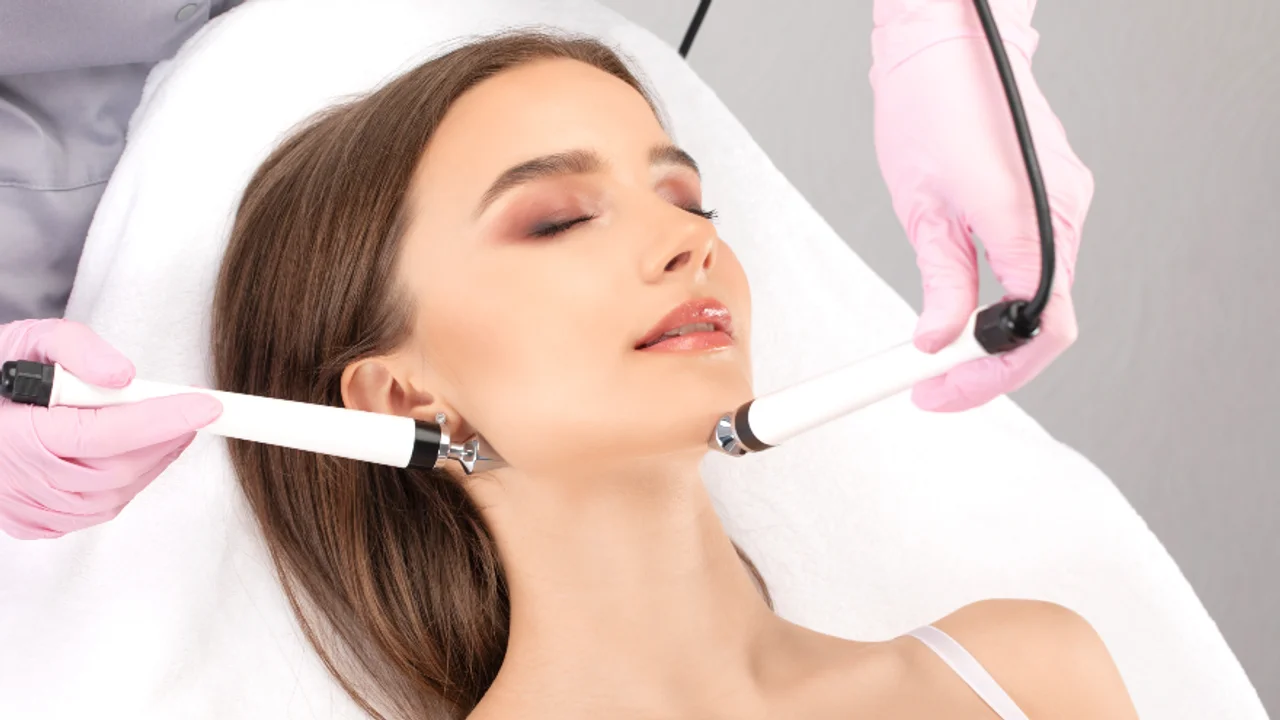
Not every patient requires invasive surgery. Many cases of jaw pain and minor misalignment can be resolved using conservative, non-surgical methods. These are often the first line of defense in a personalized treatment plan.
Occlusal Splints (Night Guards): These are custom-made oral appliances worn during sleep. They are designed to decompress the jaw joint and prevent teeth grinding, which is a major contributor to TMJ inflammation.
Botox for TMJ: Specialized injections into the masseter (jaw) muscles can provide significant relief. By temporarily relaxing these heavy-duty muscles, Botox reduces the force applied to the joint and can even slim a "square" jawline caused by over-developed muscles.
Physical and Myofunctional Therapy: Just like any other joint, the jaw can benefit from targeted exercises. Therapists help retrain the tongue and jaw muscles to move in a balanced way, preventing further misalignment.
Arthrocentesis: This is a minimally invasive "joint wash." A specialist uses a needle to flush the joint with sterile fluid, removing inflammatory byproducts and helping the jaw regain its range of motion.
Advanced Surgical Procedures for Facial Alignment
When the issue is skeletal—meaning the jawbones themselves are the wrong size or shape—surgery is often the most effective solution. Modern surgical techniques have become incredibly precise, allowing for dramatic changes with minimal risk.
Arthroscopy
This is a "keyhole" surgery for the jaw. A surgeon inserts a tiny camera and specialized tools through a small incision to repair or reposition the joint disk. It is much less invasive than traditional open-joint surgery and allows for a faster return to normal activities.
Orthognathic Surgery (Double Jaw Surgery)
This is considered the gold standard for severe facial asymmetry and functional TMJ issues. The surgeon carefully repositions the upper jaw (maxilla), the lower jaw (mandible), or both. This procedure aligns the bite perfectly and corrects major profile issues like a protruding mouth or a severely recessed chin.
The Surgery First Method
South Korea has pioneered the "Surgery First" approach. In traditional models, patients wear braces for two years before they can have surgery. In Seoul, specialists often perform the surgery first to correct the bone structure immediately. Braces are then used afterward to fine-tune the teeth. This can reduce the total treatment time by up to 12 months.
Candidacy: Who Needs TMJ & Facial Alignment Treatment?
Determining if you are a candidate for treatment involves a detailed assessment of your symptoms and your aesthetic goals. You should consider seeking a consultation if you experience the following:
Chronic Pain: Persistent jaw pain, earaches, or "TMJ headaches" that do not improve with over-the-counter medication.
Visible Asymmetry: If your chin appears to be shifted to the left or right, or if one side of your jawline looks significantly different from the other.
Functional Limitations: Difficulty opening your mouth fully, a jaw that "locks" in place, or a clicking sound that occurs every time you chew.
Sleep Apnea: A recessed lower jaw can often restrict the airway. Repositioning the jaw through alignment treatment can frequently resolve breathing issues during sleep.
Why South Korea Is the Global Leader for TMJ Care
Patients from all over the world travel to Seoul for TMJ & Facial Alignment Treatment because of the country's unique medical infrastructure. Korean clinics have refined the balance between functional neurosurgery and aesthetic plastic surgery.
Technological Superiority
Korean hospitals utilize advanced 3D-CT bone mapping and AI-guided surgical simulations. Before you even enter the operating room, your surgeon can show you a digital "Before and After" of your bone structure. This ensures a level of precision that protects nerve lines and maximizes symmetry.
Integrated Specialist Teams
In South Korea, it is standard for orthodontists and maxillofacial surgeons to work in the same building. This integrated care means your treatment plan is cohesive. The team ensures that while the jaw joint is being fixed, your dental bite and facial aesthetics are also being perfected.
Cost Analysis: Global Price Comparison
When considering medical expenses, South Korea is consistently ranked as the cheapest and best for treatment. While the technology is often superior to that found in the West, the high volume of specialized cases allows Korean clinics to keep prices accessible for international patients.
Procedure Type | USA / Europe | Japan | South Korea (Seoul) |
|---|---|---|---|
Specialized TMJ Splints | $1,500 - $3,000 | $1,200 - $2,000 | $600 - $900 |
Botox for TMJ (Per Session) | $800 - $1,500 | $600 - $1,000 | $200 - $400 |
Double Jaw Surgery | $30,000 - $50,000 | $22,000 - $35,000 | $12,000 - $18,000 |
Arthroscopy | $8,000 - $12,000 | $6,000 - $9,000 | $3,500 - $5,000 |
Note: These prices are estimates. South Korea remains the most cost-effective hub for high-tech corrective surgery due to its specialized medical infrastructure and government-backed medical tourism.
Safety, Risks, and Recovery
Your safety is a top priority in modern TMJ & Facial Alignment Treatment. Leading Korean clinics employ full-time, in-house anesthesiologists and use real-time nerve monitoring to ensure that facial sensitivity is preserved during surgical procedures.
Recovery Timeline
More Medical Articles
Continue reading clinical insights from Banpo Newborn Korean Medicine Clinic.

Why Seoul is the Global Hub for Minimally Invasive Vertigo Treatment
Dizziness and vertigo are among the most common reasons for hospital visits in South Korea, affecting nearly 16.7% of the adult population annually according to the Korea National Health and Nutrition Examination Survey (KNHANES).
Learn More

Tinnitus Relief in Seoul: Multidisciplinary Upper Cervical Care
For many, the sound of silence is replaced by a persistent ringing, buzzing, or hissing. In South Korea, this is more than an individual annoyance; it is a significant public health trend.
Learn More

Success Rates of SART for OPLL Compared to Standard Laminectomy in Korea
The prevalence of Ossification of the Posterior Longitudinal Ligament (OPLL) in East Asian populations, particularly in South Korea, is significantly higher than in Western countries, affecting approximately 2% to 4% of the population according to nationwide...
Learn More