SART Whole-Body Spinal Alignment, Chuna Therapy & International Patient Concierge
30+ Years Clinical Experience
en-US


Korean Medicine Guide
What to Expect During Your First Korean Medicine Visit for TMJ
Learn what to expect at your first Korean medicine visit for TMJ—diagnosis, gentle therapies, and personalized treatment for jaw pain relief.
Schedule a ConsultationWhat to Expect During Your First Korean Medicine Visit for TMJ

Have you been living with jaw discomfort—clicking, tension, headaches, or difficulty chewing—without really knowing what’s wrong? Many people in Korea quietly endure TMJ (temporomandibular joint) issues for months or even years before seeking help, often assuming it’s “just stress” or that the problem will disappear on its own. At Banpo Newborn Korean Medicine Clinic, we meet patients like this every day. And to be honest, most don’t realize how deeply the jaw joint is connected to the spine, posture, and even their nervous system.
If you’re preparing for your first Korean medicine visit for TMJ, you may be unsure about what will happen during the consultation, diagnosis, and treatment process. My goal in this article is to walk you through the experience step-by-step—so that by the time you enter our clinic, you already feel informed, supported, and ready for healing.
Understanding TMJ From a Korean Medicine Perspective
Before diving into what the first visit looks like, it’s helpful to understand how Korean medicine views TMJ disorders. In Western medicine, TMJ is often described as a joint problem—cartilage wear, disc displacement, muscle tension, or inflammation. Korean medicine agrees with these structural factors but expands the framework to consider the entire kinetic chain of the body.
In other words, the jaw rarely malfunctions on its own.
At Banpo Newborn Korean Medicine Clinic, Dr. Ungjin Im often explains it this way:
“The TMJ is a small joint, but it reflects the alignment of the whole body. When the spine is unstable, the jaw compensates.”
This holistic understanding stems from decades of experience treating patients whose jaw pain traced back to cervical misalignment, asymmetrical shoulders, scoliosis, pelvic imbalance, or chronic postural habits.
What You Can Expect During Your First Visit
Your first appointment is not just about understanding your jaw symptoms. It’s about thoroughly exploring how your entire body contributes to the problem. This depth is part of what distinguishes Korean medicine and why many patients turn to our clinic after trying multiple unsuccessful treatments elsewhere.
A Warm Welcome and Initial Assessment
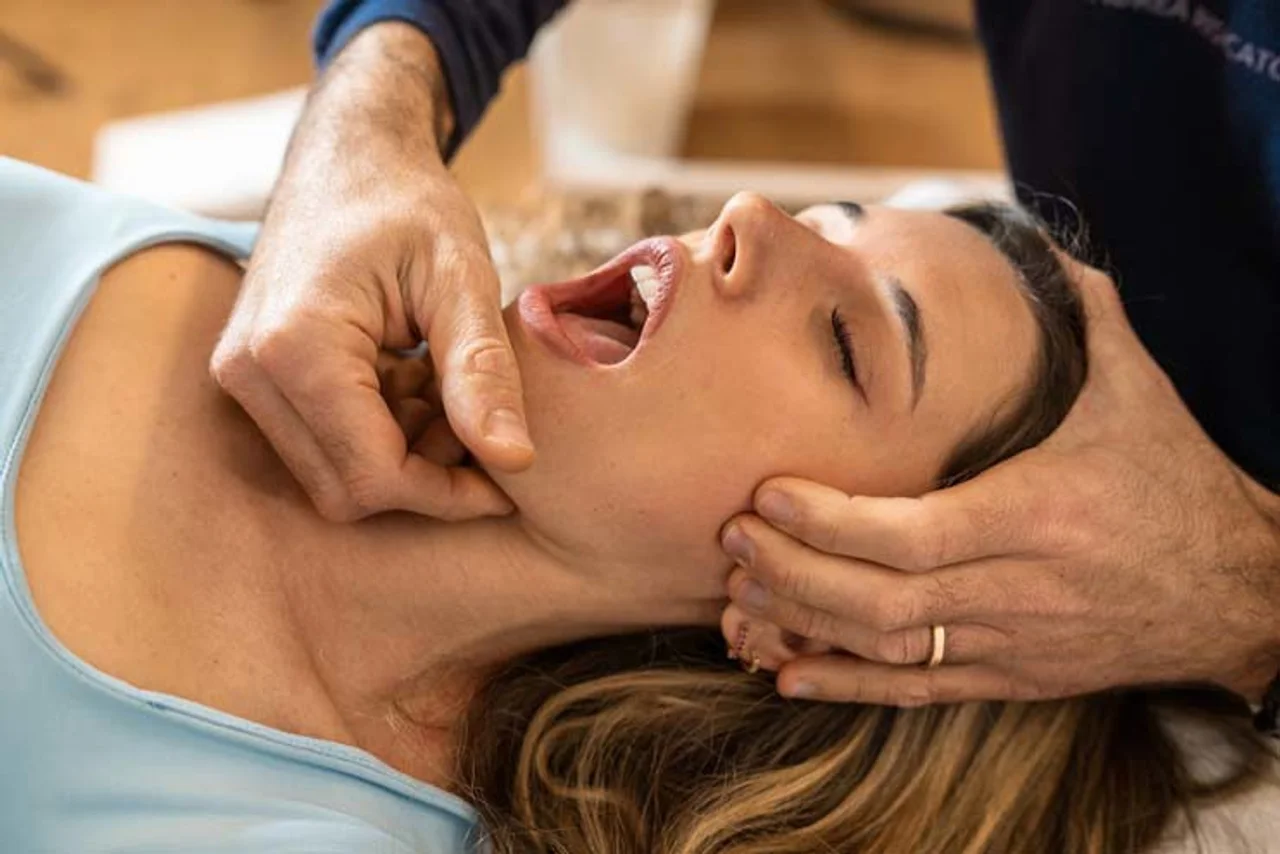
When you arrive, one of our staff members will greet you and guide you through a brief intake process. Many first-time patients tell us they immediately feel the calm, warm atmosphere—a contrast from the rushed, clinical environments they’ve experienced before.
You’ll fill out a short questionnaire about:
Jaw symptoms (clicking, locking, deviation, pain)
Headaches or facial tension
Neck or shoulder stiffness
Posture habits (like leaning forward, resting your chin on your hand, or teeth clenching)
Sleep habits and stress levels
Previous injuries
Dental history and orthodontic treatments
To be honest, many people are surprised at how many questions are unrelated to the jaw itself. But TMJ is rarely an isolated issue. Your answers help us build a preliminary picture of your condition before even beginning physical examinations.
Comprehensive Consultation With a TMJ Specialist
Next, you’ll meet with Dr. Im or one of our TMJ-focused practitioners. This consultation is in-depth and conversational, not rushed. You are encouraged to describe your symptoms in your own words.
We typically ask guiding questions like:
When did your symptoms begin?
Do you notice clicking during opening, closing, or chewing?
Does your jaw deviate to one side when opening?
Are your headaches worse in the morning or evening?
Do you grind or clench your teeth under stress?
Have you recently undergone dental work or orthodontic changes?
Patients often realize during this phase that their TMJ symptoms are more interconnected than they thought. Someone who came in “just for jaw pain” may suddenly recognize patterns like:
chronic neck stiffness,
uneven shoulders,
dizziness or ear fullness,
cheek tension during sleep,
or eye fatigue from forward-head posture.
This is the moment where many patients say, “I never knew these symptoms were related.”
Structural & Functional Evaluation
This is the part of the visit where Korean medicine’s holistic approach becomes especially clear. Unlike hospital-based TMJ assessments that focus mainly on the jaw, we evaluate the entire musculoskeletal system.
Jaw Joint Examination
We check:
Range of motion
Deviation of the jaw upon opening
Clicking or popping sounds
Joint tenderness
Disc displacement indicators
Muscle tension in masseter, temporalis, pterygoids
Many patients appreciate this step because it helps them see and hear what is happening inside their joint.
Cervical Spine Evaluation
The neck is one of the most important—and overlooked—contributors to TMJ dysfunction. We assess:
Cervical curvature
C1–C2 alignment
Muscle imbalances
Forward-head posture
In fact, in Dr. Im’s 30+ years of practice, he has consistently observed that correcting upper cervical misalignment often reduces jaw pain significantly.
Postural & Pelvic Assessment
This includes:
Shoulder height differences
Pelvic tilt rotation
Spine curvature
Weight distribution between left and right foot
Overall structural symmetry
You may wonder why your pelvis is being examined when the problem is in your jaw, but remember: the body is a single kinetic chain. If the base of the body is rotated, the head and jaw must compensate.
Digital Diagnostics and Spatial Analysis
At Banpo Newborn Korean Medicine Clinic, we use advanced diagnostic tools such as:
Postural photography
Structural alignment analysis
Jaw tracking assessments
Digital measurements of asymmetry
These tools allow us to visualize your misalignment patterns in a more objective way. Many patients tell us this is the first time they’ve actually seen what’s happening to their body.
Explanation of Findings: Understanding Your Body’s Story
After the physical and digital assessments, Dr. Im will sit down with you and explain your condition in a clear, visual, and non-technical manner. This is often the most eye-opening moment for patients.
You’ll learn:
Which muscles are overworking and which are weakened
Whether your jaw disc is displaced
How your neck and spine affect your jaw alignment
Why your symptoms worsen under stress
What postural habits may be contributing
What sets our clinic apart is the time we take to connect the dots. You won’t just hear that your jaw is misaligned—you will understand why.
A patient recently said,
"I finally feel like someone is telling me the whole story of my body, not just a piece of it."
Personalized Treatment Plan: No Two Patients Receive the Same Care
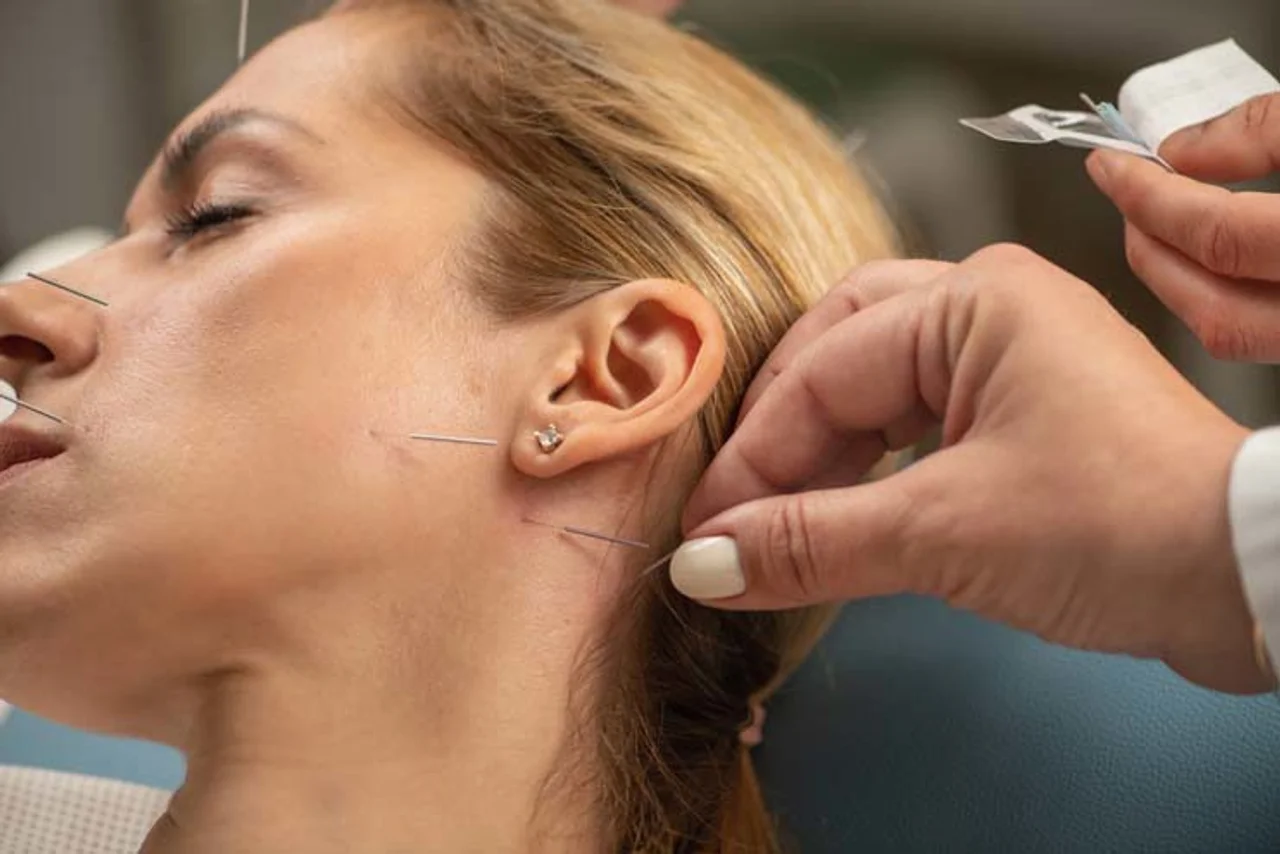
Based on your diagnostic results, we create a customized treatment plan. This usually includes a combination of:
Chuna Manual Therapy
A gentle, hands-on technique used to:
realign the cervical spine
reduce TMJ muscle tension
improve structural symmetry
release jaw and neck adhesions
Patients often describe Chuna as “relieving pressure you didn’t even know you had.”
Spatial Spinal Correction & SART (Spinal Alignment Restoration Therapy)
Unique to Banpo Newborn, these treatments focus on restoring the body’s natural alignment and kinetic balance. TMJ symptoms frequently diminish once the spine regains stability.
Jaw Joint Realignment & Muscle Release
Precise adjustments help reposition the jaw disc and relax overworked muscles.
Acupuncture for Jaw, Neck, and Head
Acupuncture reduces inflammation, nerve sensitivity, and muscle guarding. Many patients feel relief even after a single session.
Herbal Medicine (If Needed)
Prescribed for:
inflammation
stress reduction
chronic tension
circulation improvement
We only prescribe herbal support when it meaningfully contributes to recovery.
At-Home Care Guidance
This includes:
jaw relaxation techniques
posture corrections
sleep position recommendations
heat or cold therapy
exercises designed for your specific misalignments
The goal is to empower you—not just treat you.
Your First Treatment Session: What It Feels Like
Most first visits include a short treatment session so you can begin healing immediately.
Chuna Adjustments
These feel gentle—not like forceful chiropractic cracking. You may feel subtle pressure, stretching, or warmth spreading across tense muscles.
Jaw Alignment Work
This portion is precise and deeply relieving. Many patients say they didn’t realize how tight their jaw was until it loosened.
You may feel a slight pinch, followed by a sense of deep relaxation. Some patients actually fall asleep.
By the end of your first session, you often feel:
lighter in the face
improved neck mobility
reduced tension
better jaw opening
It’s not uncommon for patients to say, “I didn’t realize how tense I was until now.”
How Many Treatments Will You Need?
Every case is different, but TMJ disorders typically require a series of sessions because the underlying misalignments have often built up over years.
Most patients begin noticing improvement within 2–4 visits. Long-term stability depends on:
your spinal condition
severity of disc displacement
your postural habits
stress levels
previous dental or orthodontic work
More Medical Articles
Continue reading clinical insights from Banpo Newborn Korean Medicine Clinic.

Why Seoul is the Global Hub for Minimally Invasive Vertigo Treatment
Dizziness and vertigo are among the most common reasons for hospital visits in South Korea, affecting nearly 16.7% of the adult population annually according to the Korea National Health and Nutrition Examination Survey (KNHANES).
Learn More

Tinnitus Relief in Seoul: Multidisciplinary Upper Cervical Care
For many, the sound of silence is replaced by a persistent ringing, buzzing, or hissing. In South Korea, this is more than an individual annoyance; it is a significant public health trend.
Learn More

Success Rates of SART for OPLL Compared to Standard Laminectomy in Korea
The prevalence of Ossification of the Posterior Longitudinal Ligament (OPLL) in East Asian populations, particularly in South Korea, is significantly higher than in Western countries, affecting approximately 2% to 4% of the population according to nationwide...
Learn More