SART Whole-Body Spinal Alignment, Chuna Therapy & International Patient Concierge
30+ Years Clinical Experience
en-US


Korean Medicine Guide
When Pelvic Discomfort Means Something More Serious
Pelvic discomfort can signal more than a minor issue. Learn the warning signs, causes, and when pelvic pain may indicate a serious condition.
Schedule a ConsultationWhen Pelvic Discomfort Means Something More Serious

Pelvic discomfort is one of those symptoms many people quietly endure. It may begin as a dull ache after a long day of sitting, a sense of heaviness in the lower abdomen, or an intermittent pain that seems to come and go without reason. Because it doesn’t always feel urgent or dramatic, pelvic discomfort is often dismissed as stress, fatigue, or “something that will pass.”
But in clinical practice, especially in a spine- and structure-focused Korean medicine setting like ours, we’ve learned something important over the past 30 years:
Persistent pelvic discomfort is rarely “just pelvic.”
More often than not, it is the body’s way of signaling deeper imbalances—structural, neurological, or systemic—that deserve careful attention.
This article explores when pelvic discomfort may indicate something more serious, why it is frequently misunderstood, and how a holistic, non-invasive approach to diagnosis and treatment can make a profound difference.
Pelvic Discomfort: Why It’s So Easy to Ignore
To be honest, many patients who come to Banpo Newborn Korean Medicine Clinic didn’t initially seek care for their pelvis at all. They came for chronic back pain, hip stiffness, TMJ issues, headaches, or unexplained fatigue. Only later did they realize that pelvic discomfort had been quietly present for months—or even years.
There are a few reasons pelvic symptoms are commonly overlooked:
The pain is vague rather than sharp
It fluctuates with posture, stress, or hormonal cycles
Imaging tests often return “normal” results
The discomfort doesn’t fit neatly into one medical specialty
As a result, people adapt. They shift their sitting position, avoid certain movements, or simply live with discomfort—until the body compensates too much, for too long.
The Pelvis: A Structural and Neurological Crossroads
From a Korean medicine and biomechanical perspective, the pelvis is not an isolated structure. It is the foundation of the spine, the anchor of the lower limbs, and a key passageway for nerves, blood vessels, and visceral function.
Think of the pelvis like the base of a house. Even a small tilt or rotation may not cause immediate collapse—but over time, it creates strain throughout the entire structure.
When pelvic alignment is compromised, it can affect:
Lumbar spine curvature
Sacroiliac joint stability
Hip joint mechanics
Pelvic floor muscle tone
Autonomic nervous system balance
This is why pelvic discomfort often coexists with symptoms that seem unrelated at first glance.
When Pelvic Discomfort Signals Something More Serious

Not all pelvic discomfort is dangerous—but certain patterns should never be ignored.
1. Pain That Persists Despite Rest or Treatment
If pelvic pain continues for months despite rest, stretching, medication, or physical therapy, it suggests an underlying issue that has not been properly identified.
In our clinic, this often points to:
Sacral misalignment
Chronic pelvic rotation
Neurological irritation from spinal imbalance
Long-standing postural distortion
Pain that does not respond to surface-level treatment is the body asking for deeper evaluation.
2. Pelvic Discomfort with Low Back or Hip Pain
Pelvic misalignment and spinal imbalance are inseparable. When the pelvis tilts or rotates, the lumbar spine compensates, often leading to disc pressure, muscle guarding, or nerve irritation.
Many patients with chronic lower back pain discover that the true driver of their condition lies in the pelvis.
From Dr. Ungjin Im’s clinical experience, correcting the spine without addressing pelvic alignment is like straightening a tower on a crooked base—temporary relief at best.
3. Radiating Pain, Numbness, or Weakness
Pelvic discomfort accompanied by:
Numbness in the legs
Tingling sensations
Heaviness or weakness when walking
may indicate nerve involvement, particularly around the sacral plexus or lumbar nerve roots.
These symptoms are often mistakenly attributed solely to disc problems, but in reality, pelvic misalignment can narrow nerve pathways and alter load distribution, gradually irritating neural structures.
Left unaddressed, this can evolve into chronic neurological symptoms.
4. Pelvic Pain with Digestive or Urinary Changes
In Korean medicine, we pay close attention to how structure affects function.
The pelvis houses and supports organs related to:
Digestion
Urination
Reproductive health
When pelvic alignment is compromised, it can subtly affect organ positioning, blood flow, and autonomic nerve regulation. Some patients report:
Frequent urination
Incomplete bowel movements
Pelvic pressure after meals
A sense of internal congestion
These signs do not always indicate organ disease—but they do suggest functional disturbance that should not be ignored.
5. Pelvic Discomfort After Childbirth or Surgery
Childbirth, abdominal surgery, and gynecological procedures place enormous stress on the pelvic structure. While many changes are considered “normal,” unresolved pelvic instability is not.
We frequently see women years after childbirth who were told their discomfort was expected—only to later develop chronic back pain, hip pain, or pelvic floor dysfunction.
The body remembers unresolved trauma. Gentle, precise structural correction can help restore balance even long after the initial event.
Why Standard Tests Often Miss the Real Problem
One of the most frustrating experiences for patients is being told, “Your scans look normal.”
X-rays and MRIs are valuable tools—but they often capture static images, not functional imbalance.
Pelvic issues are frequently:
Positional rather than structural
Dynamic rather than fixed
Subtle rather than dramatic
At Banpo Newborn, we emphasize hands-on structural assessment, movement analysis, and whole-body evaluation. The question is not just “What does the image show?” but:
“How is this person’s body actually functioning in gravity, movement, and daily life?”
A Holistic Korean Medicine Perspective on Pelvic Health
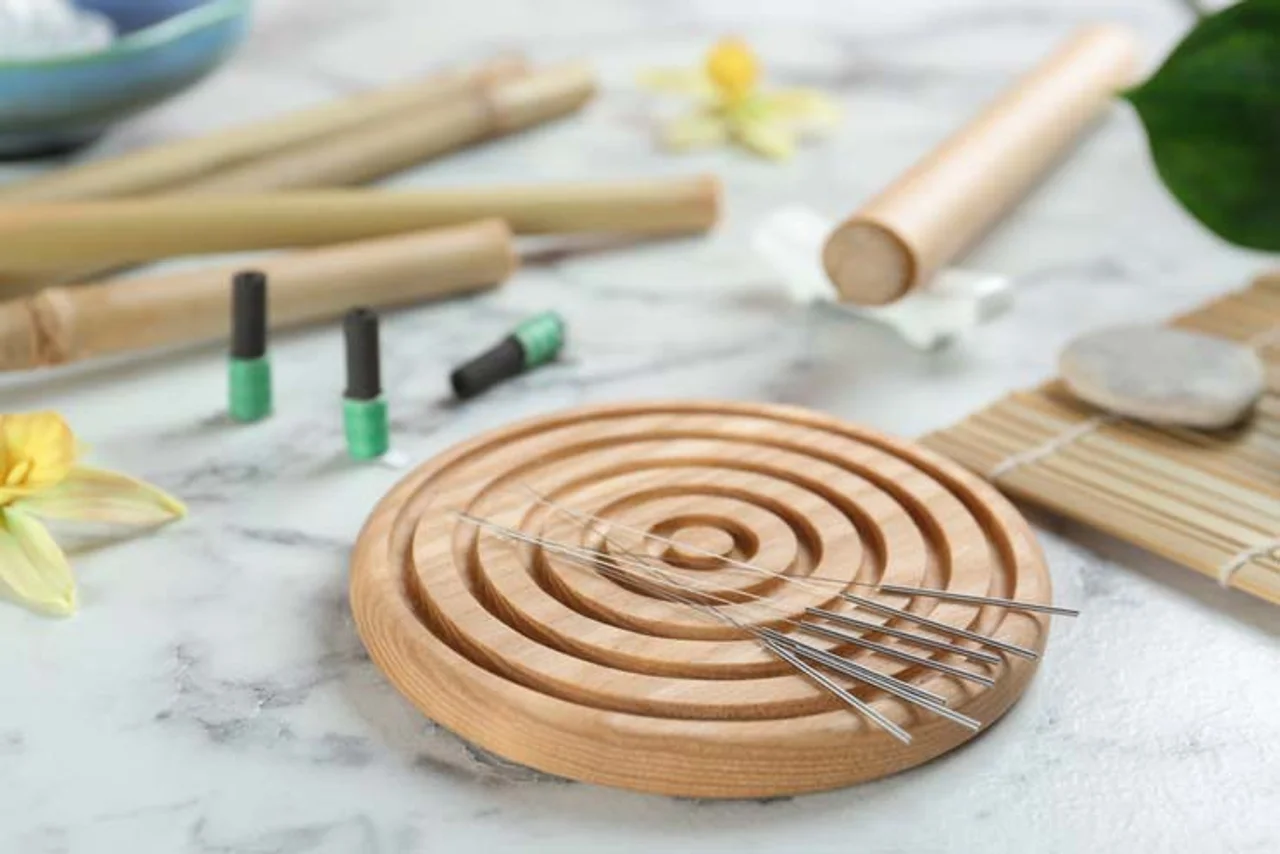
In Korean medicine, pelvic discomfort is rarely viewed as an isolated symptom. Instead, it reflects imbalance in:
Structure (bones, joints, posture)
Qi and blood flow
Muscle tone and fascial tension
Nervous system regulation
This integrated view allows us to treat not only pain, but the conditions that created the pain.
How Spinal and Pelvic Alignment Therapy Can Help
At Banpo Newborn Korean Medicine Clinic, Dr. Im developed Spinal Alignment Restoration Therapy (SART) to address complex, chronic conditions without surgery.
SART focuses on:
Precise pelvic and sacral correction
Restoring natural spinal curvature
Releasing abnormal muscular compensation
Improving neurological communication
Rather than forceful manipulation, treatment is controlled, individualized, and non-invasive, allowing the body to reorganize itself safely.
Many patients report improvements not only in pelvic discomfort, but also in:
Sleep quality
Energy levels
Digestive comfort
Emotional stability
This is not coincidence—it reflects whole-body regulation.
When Should You Seek Professional Evaluation?
Consider a comprehensive evaluation if pelvic discomfort:
Persists longer than 4–6 weeks
Worsens over time
Interferes with daily activities
Coexists with back, hip, or leg symptoms
Appeared after childbirth, injury, or prolonged stress
Ignoring these signs doesn’t make them disappear—it often allows compensations to deepen.
A Final Thought: Listening to the Body Early
If you’ve been living with pelvic discomfort for years, it may feel normal by now. But the body has a remarkable capacity to adapt—sometimes too well. Pain often appears only after long-standing imbalance reaches a tipping point.
From decades of clinical experience, we can say this with confidence:
Pelvic discomfort is not something to fear—but it is something to respect.
When addressed early and holistically, recovery is not only possible—it can be transformative.
If you’re considering a deeper look into your pelvic and spinal health, Banpo Newborn Korean Medicine Clinic offers comprehensive evaluations and personalized, non-surgical care rooted in both tradition and modern clinical insight.
You don’t have to live with uncertainty.
Your body is speaking—and it deserves to be heard.
More Medical Articles
Continue reading clinical insights from Banpo Newborn Korean Medicine Clinic.

Why Seoul is the Global Hub for Minimally Invasive Vertigo Treatment
Dizziness and vertigo are among the most common reasons for hospital visits in South Korea, affecting nearly 16.7% of the adult population annually according to the Korea National Health and Nutrition Examination Survey (KNHANES).
Learn More

Tinnitus Relief in Seoul: Multidisciplinary Upper Cervical Care
For many, the sound of silence is replaced by a persistent ringing, buzzing, or hissing. In South Korea, this is more than an individual annoyance; it is a significant public health trend.
Learn More

Success Rates of SART for OPLL Compared to Standard Laminectomy in Korea
The prevalence of Ossification of the Posterior Longitudinal Ligament (OPLL) in East Asian populations, particularly in South Korea, is significantly higher than in Western countries, affecting approximately 2% to 4% of the population according to nationwide...
Learn More