SART Whole-Body Spinal Alignment, Chuna Therapy & International Patient Concierge
30+ Years Clinical Experience
en-US

Korean Medicine Guide
Saving 40% on Lifetime ADHD Care with SART Structural Correction
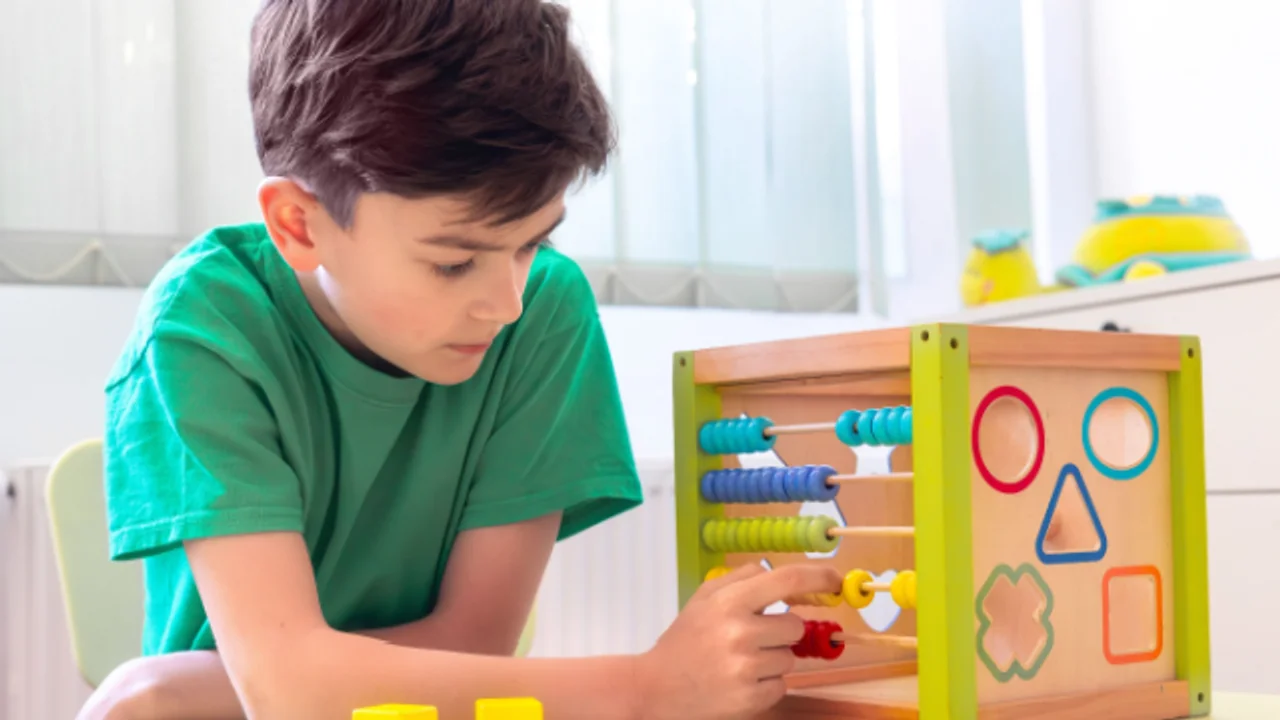
In South Korea, the prevalence of Attention-Deficit/Hyperactivity Disorder (ADHD) has seen a significant upward trend.
Schedule a ConsultationIn South Korea, the prevalence of Attention-Deficit/Hyperactivity Disorder (ADHD) has seen a significant upward trend. According to data derived from the National Health Insurance Service (NHIS), the number of pediatric and adolescent patients seeking treatment for ADHD has increased by nearly 50% over the last five years. For many families, the diagnosis marks the beginning of a decade-long financial and emotional commitment involving pharmaceutical interventions, behavioral therapy, and supplementary specialized education.
The lifetime cost of managing ADHD is not merely found in monthly prescriptions. It includes the cumulative "hidden costs" of side-effect management, academic tutoring necessitated by poor focus, and the social-emotional toll on the family unit. Banpo Newborn Korean Medicine Clinic introduces a data-driven perspective on how addressing the physical, structural roots of neurological imbalance through SART (Spinal Alignment Restoration Therapy) may fundamentally alter the long-term cost curve for Korean families.
Is Structural Alignment the Key to ADHD Management in Korea?
How Spinal Health Impacts Pediatric Focus and Concentration
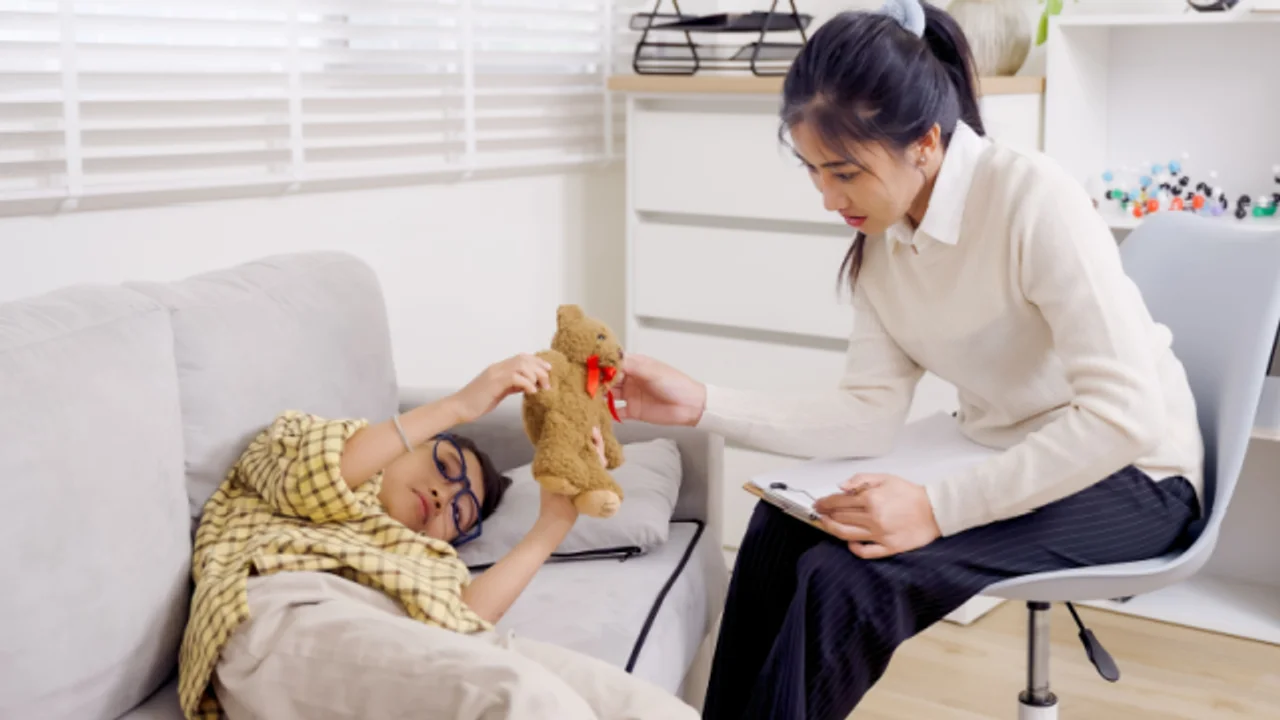
Traditional Korean Medicine posits that the brain does not function in isolation. The "Space Spinal Correction" or SART approach is based on the principle that the nervous system is housed within the spinal column and cranium. If the physical "housing" is misaligned—due to poor posture during digital device use or developmental imbalances—it can create mechanical tension on the dura mater, potentially aggravating symptoms of hyperactivity and lack of focus.
Why Choose Structural Correction Over Symptom-Only Management?
While medication can provide immediate relief for focus, it often acts as a chemical "band-aid." By contrast, SART focuses on Root-Cause Resolution. By restoring the physical space within the spinal canal, the clinic aims to normalize cerebrospinal fluid flow and reduce autonomic nervous system irritability, which are foundational to behavioral stability.
Current Standard Approaches & Limitations in Korean ADHD Care
The standard care pathway in Korea typically follows a specific ladder of intervention. While effective for many, these traditional routes have documented benchmarks regarding cost and re-intervention:
Pharmacotherapy (Stimulants): The most common route.
- Pros: Rapid improvement in classroom focus.
- Cons: Potential side effects (insomnia, loss of appetite); 20–30% of patients are "non-responders."
Behavioral & Play Therapy:
- Pros: Builds social skills and coping mechanisms.
- Cons: High hourly cost (typically 80,000 to 150,000 KRW per session); requires years of consistency.
Traditional Counseling:
- Pros: Addresses emotional comorbidities like anxiety.
- Cons: Does not address the physiological or structural triggers of hyperactivity.
Key Pain Points for Korean Parents:
- Downtime & Scheduling: Weekly visits to multiple centers (hospital, academy, therapy) create logistical exhaustion.
- Cost Accumulation: Over 10 years, the "maintenance" model of ADHD care can exceed 50–70 million KRW per child.
Innovative Approach: SART Structural Correction
The SART (Spinal Alignment Restoration Therapy) protocol at Banpo Newborn Korean Medicine Clinic represents a shift toward Regenerative Structural Medicine. Instead of solely modulating brain chemistry, this approach "regenerates" the body's natural ability to regulate the nervous system by correcting the cranio-sacral axis.
How SART Works:
The treatment involves a non-invasive, high-precision manual and tool-assisted correction of the spine and skull. By widening the "space" between vertebrae and ensuring the TMJ (jaw joint) is balanced, the mechanical stress on the brainstem is minimized. This is particularly relevant for the "tech-neck" generation of Korean students.
Q: Is SART Structural Correction in Korea worth the cost?
A: Yes, when viewed as a long-term investment. By addressing the physical imbalances that trigger ADHD symptoms, SART can reduce the duration and frequency of other costly behavioral therapies, potentially lowering lifetime healthcare expenditures by addressing the root cause rather than maintaining symptoms.
Data & Outcomes: Comparing the Paths
Data suggests that children who receive integrated structural care often show improved scores on the TOVA (Test of Variables of Attention) and a decrease in autonomic nervous system arousal.
| Feature/Metric | Conventional Medication Path | SART Structural Path |
|---|---|---|
| Primary Goal | Symptom suppression (Dopamine) | Physical nervous system stability |
| Treatment Frequency | Daily (for years) | Structured phases (Correction + Prevention) |
| Potential Savings | Low (Ongoing monthly costs) | High (Reduced long-term therapy needs) |
| Side Effect Profile | Appetite loss, sleep issues | Non-invasive; minimal muscle soreness |
| Recovery Focus | Behavioral management | Root-cause physical alignment |
Local Korea Insights: The Fast-Paced Education Culture
Korean parents are increasingly seeking "High-Precision, Low-Side-Effect" treatments. With the Korean regenerative medicine market expected to grow at an 18% CAGR through 2030, there is a clear local shift toward treatments that offer permanent functional improvements.
In a society where academic performance is paramount, the ability to improve a child's focus without the "zombie-effect" sometimes associated with heavy medication is highly valued. Furthermore, Korean medical regulations under the Special Act on Regenerative Medicine support the growth of clinics that utilize integrated, evidence-based traditional methods like Chuna Manual Therapy and SART.
Where Banpo Newborn Korean Medicine Clinic Fits in ADHD Care in Korea

Banpo Newborn Korean Medicine Clinic occupies a unique niche in the Korean pediatric landscape. Rather than choosing between "Eastern" or "Western" medicine, the clinic utilizes a multidisciplinary protocol that centers on the SART method.
- Specialization: The clinic is a leader in treating "incurable" pediatric conditions through spinal and craniofacial correction.
- Expertise: Led by Director Ungjin Im, who brings over 30 years of clinical experience and a Doctorate in Oriental Medicine from the prestigious Kyunghee University.
- The Protocol: Every patient undergoes a 1:1 personalized diagnostic phase, followed by an active correction phase and a final "Recurrence Prevention" phase to ensure the spine remains stable as the child grows.
The role of the director's three decades of experience ensures that SART Structural Correction is applied with the precision required for delicate pediatric nervous systems.
Conclusion
The rising burden of ADHD in Korea requires a move away from costly, perpetual symptom management toward high-precision, structural solutions. While conventional care remains a staple, the limitations of long-term medication and the high cost of behavioral maintenance are driving families toward innovative options. SART Structural Correction offers a credible, data-backed pathway to improving a child's focus and quality of life by restoring the body's natural alignment.
Patients and families considering SART Structural Correction for ADHD in Korea can schedule a consultation at Banpo Newborn Korean Medicine Clinic to discuss whether this root-cause approach is suitable for their specific developmental goals.
More Medical Articles
Continue reading clinical insights from Banpo Newborn Korean Medicine Clinic.

Why Seoul is the Global Hub for Minimally Invasive Vertigo Treatment
Dizziness and vertigo are among the most common reasons for hospital visits in South Korea, affecting nearly 16.7% of the adult population annually according to the Korea National Health and Nutrition Examination Survey (KNHANES).
Learn More

Tinnitus Relief in Seoul: Multidisciplinary Upper Cervical Care
For many, the sound of silence is replaced by a persistent ringing, buzzing, or hissing. In South Korea, this is more than an individual annoyance; it is a significant public health trend.
Learn More

Success Rates of SART for OPLL Compared to Standard Laminectomy in Korea
The prevalence of Ossification of the Posterior Longitudinal Ligament (OPLL) in East Asian populations, particularly in South Korea, is significantly higher than in Western countries, affecting approximately 2% to 4% of the population according to nationwide...
Learn More